NHTSA Shrinks Workforce by 25% While Accelerating AV Rules and Exemptions
Since January 2025, the National Highway Traffic Safety Administration has been operating under a stark contradiction. The agency is pursuing a vigorous, data-driven regulatory agenda focused on automated vehicles and advanced safety systems, yet its investigative capacity has been significantly reduced. A reported staff cut of approximately 25 percent has lowered NHTSA's headcount from roughly 780 to about 575 employees. This reduction, driven by buyouts, terminations of probationary staff, and retirements, comes as the agency has opened or upgraded over 30 investigations and published several major rulemaking proposals. The challenge is clear: a leaner workforce must now oversee a more complex, rapidly evolving fleet of vehicles equipped with sophisticated automation technologies.
Leadership stability has also been a moving target. Since the close of the Obama administration in January 2017, NHTSA had a Senate-confirmed Administrator for only five months total—specifically between May and September 2022 under Steven Cliff. That changed in September 2025 when Jonathan Morrison was sworn in. Morrison isn't new to the agency; he served as NHTSA's Chief Counsel during the previous Trump administration from 2017 to 2021. His background leading legal and regulatory affairs for a technology company underscores the administration's focus on facilitating advanced vehicle development. However, for consumers, the priority remains whether a smaller agency can maintain rigorous enforcement as the industry pushes the boundaries of automation.
The Exemption Shift: Domestic Devs Get a Green Light
The Department of Transportation's Innovation Agenda, introduced by Secretary Sean Duffy in April 2025, lays out a framework that balances three principles: prioritizing the safety of ongoing AV operations, removing unnecessary regulatory barriers to unleash innovation, and enabling commercial deployment to enhance mobility. NHTSA is already acting on this directive. The agency issued the Third Amended Standing General Order 2021-01, continuing mandatory crash reporting for certain advanced driver assistance systems and automated driving systems. Data remains the currency of safety enforcement, and NHTSA is demanding transparency even as it streamlines its own operations.
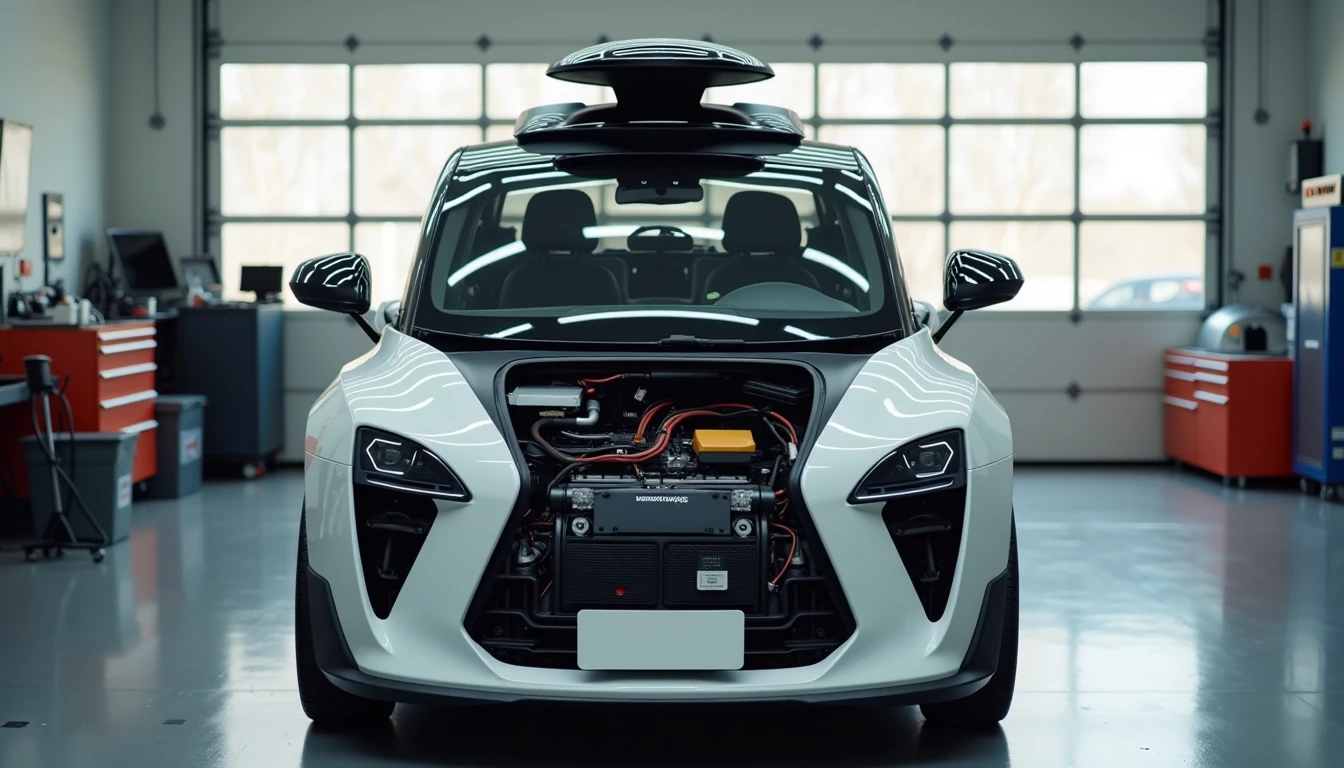
Perhaps the most significant policy shift is how the agency is handling exemptions. Historically, NHTSA limited its exemption authority under 49 U.S.C. 30114(A) to the importation of non-compliant vehicles. In an open letter issued in April 2025, NHTSA expanded this to accept exemption requests for domestically built vehicles for research, investigation, demonstrations, or training. This move levels the playing field for domestic developers who previously lacked the testing exceptions available to legacy manufacturers. It allows companies to put non-standard vehicles on the road for development, but it also raises the stakes for oversight. When you open the door to exemptions, the agency must ensure those vehicles don't become safety liabilities on public roads, especially with a reduced staff to monitor compliance.
To support AVs without manual controls, NHTSA has announced proposals to amend several Federal Motor Vehicle Safety Standards. The agency is targeting FMVSS No. 102 regarding transmission shift position sequences, FMVSS No. 103 for windshield defrosting and defogging systems, and FMVSS No. 104 for windshield wiping and washing systems. These updates are designed to remove barriers that assume a human driver is always present to manipulate controls or maintain visibility. However, removing barriers for automation must not mean removing standards for safety. The agency's challenge will be ensuring that automated systems meet the functional intent of these standards even when the traditional hardware requirements change.
What Consumers and Owners Should Watch For
While these changes are regulatory, they directly impact the vehicles on the road and how safety is enforced.
- Monitor Crash Reporting: NHTSA continues to require crash reporting for ADAS and ADS under Standing General Order 2021-01. If your vehicle is equipped with these systems, ensure you are aware of reporting obligations and that manufacturers are complying. Data transparency is your best defense against hidden defects.
- Understand Exemptions: Domestic manufacturers can now seek exemptions for non-compliant vehicles for research and testing. If you encounter vehicles with unusual configurations or lack traditional controls, they may be operating under an exemption. Report any safety concerns immediately to NHTSA.
- Watch for Standard Changes: As FMVSS standards for shift sequences, defrosting, and wipers are amended, verify that replacement parts and repairs on older vehicles maintain compliance. Don't let "innovation" become an excuse for substandard maintenance on legacy safety systems.