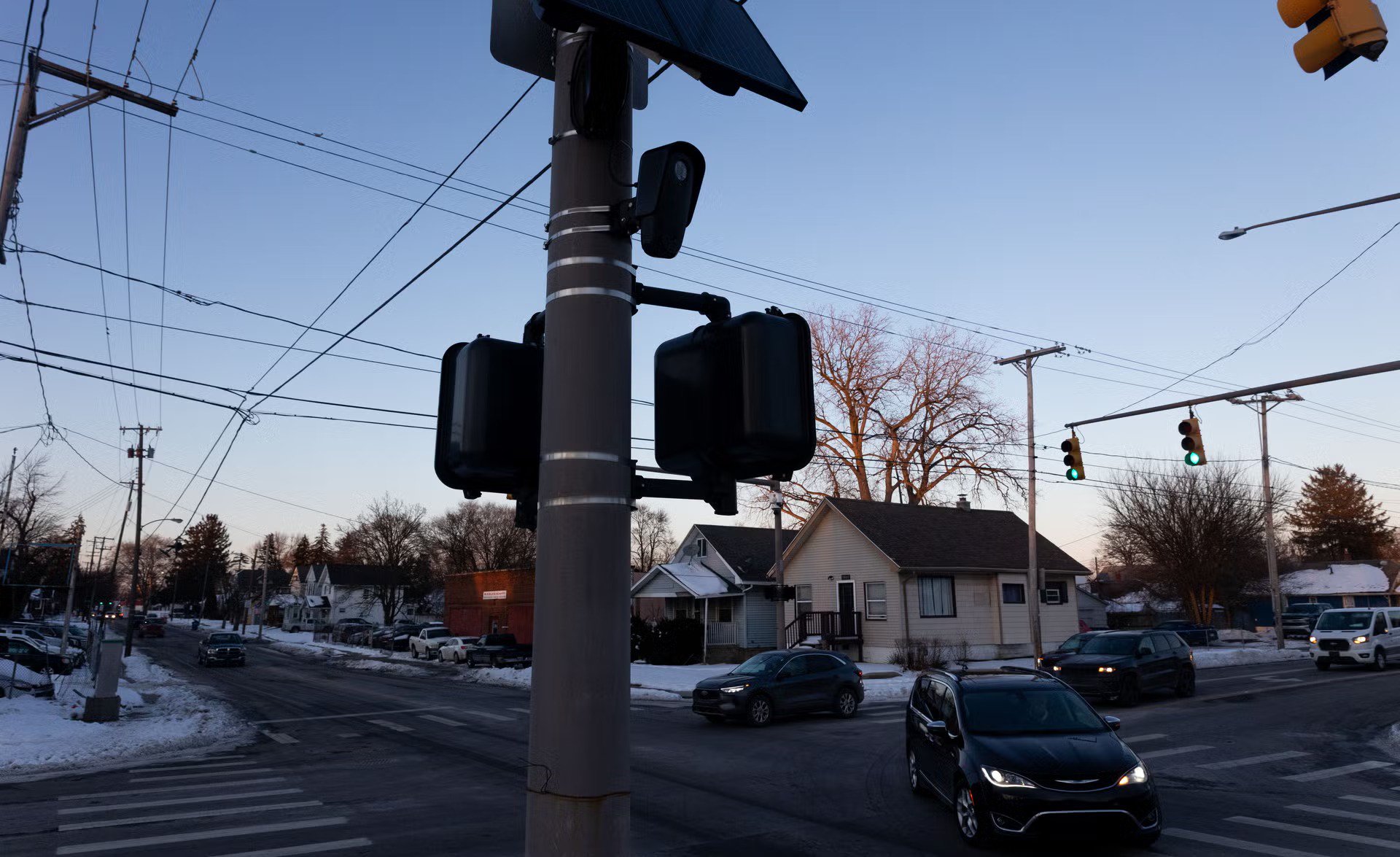
If you've been noticing more small black cameras popping up on street poles and wondering what they're for, here's what you need to know — and why they're generating intense debate. These devices are called Automated License Plate Readers, or ALPRs. While several companies produce them, Flock Safety is far and away the dominant player, supplying more than 5,000 law enforcement agencies and over 1,000 private organizations including homeowners associations.
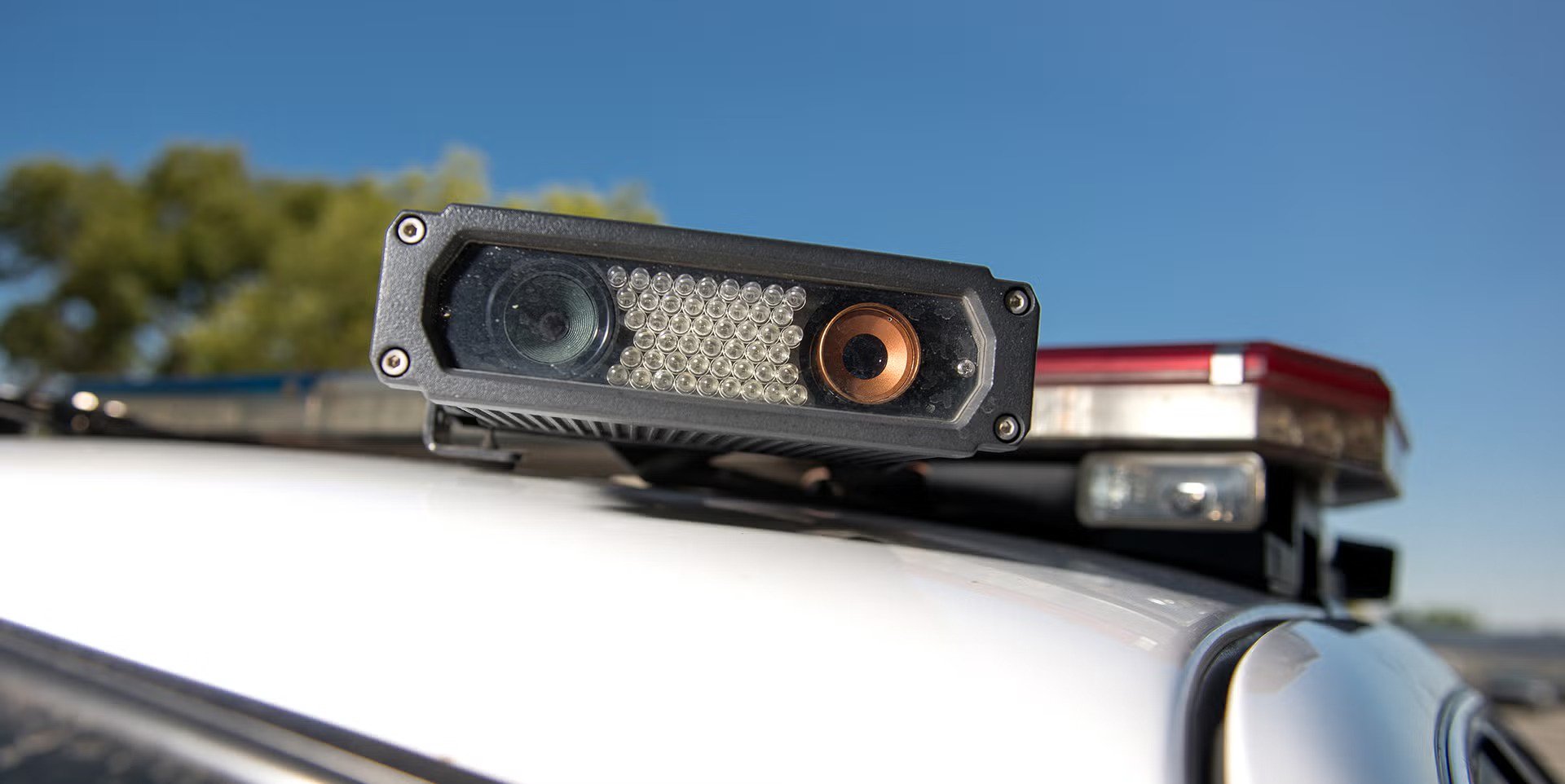
License plate reading technology has been used by police for years, but the latest generation of AI-driven cameras represents a significant leap. Flock's cameras don't just capture plate numbers — they also log the make, model, and color of every vehicle that passes through their field of view. Beyond that, the system can flag distinctive characteristics such as roof racks, bumper stickers, and body damage to identify specific vehicles.
That level of surveillance capability is attractive to law enforcement, but it's alarming to communities with concerns about growing government monitoring. Flock Safety says its systems operate in thousands of municipalities, though in recent months mounting opposition has emerged from residents troubled by privacy implications and by reports connecting ALPR data to Immigration and Customs Enforcement (ICE) operations.
An NPR report published in February highlighted how readily data captured by Flock can flow to outside parties. Flock's position is that local governments control all sharing decisions. "Each Flock customer has sole authority over if, when, and with whom information is shared," the company stated to NPR. In practice, however, several city officials have pointed to unwanted data sharing as the reason they scaled back or ended their Flock contracts.
A Financial Times investigation found that 53 cities across 20 states have either shut down Flock cameras or turned down proposals to install them. Resistance is accelerating, with 38 of those decisions coming in the past six months alone.
Law enforcement has pushed back against the critics. According to the FT, one Texas police department queried data from more than 103,000 devices on Flock's network as part of a single homicide investigation. "We've been able to solve hundreds, if not thousands, of crimes that otherwise would remain unsolved if it wasn't for the LPR technology," a former police chief in Georgia told the publication. Privacy advocates dispute that assertion, the FT notes, arguing there is no independent research confirming that ALPRs actually reduce crime rates.