B.C. Abandons 100% EV Sales Target, Drops 2035 Mandate to 75 Per Cent
- 2035 zero-emission sales target reduced from 100% to 75%
- 2026 and 2027 compliance requirements stay at 26%
- 75 new public charging projects funded across the province
- Regulatory amendments expected by fall 2026
When a government sets a hard deadline for technology adoption, it creates a contract with the consumer. You build the infrastructure, we buy the cars. But when that deadline shifts mid-stream, it signals instability in the market. British Columbia has officially walked back its pioneering zero-emission vehicle mandate, lowering the 2035 sales target from 100 per cent to 75 per cent. This isn't just a regulatory tweak; it affects every buyer in the province looking at long-term resale value, inventory availability, and the reliability of the charging network they're being asked to depend on.
The Ministry of Energy and Climate Solutions confirmed the legislative changes are designed to align the provincial mandate with the federal government's goals. Energy Minister Adrian Dix stated the measures would give the industry and consumers more choices. While flexibility sounds appealing in a press release, in the automotive world, shifting goalposts often confuse investors and buyers alike. The amendments will be made by the fall, and the updated regulation is expected to retain the 26 per cent sales compliance requirement for this year and 2027. Targets for 2028 to 2030 will be informed by federal plans expected this summer.
This move follows a broader shift in Ottawa. The federal Carney government recently replaced the Trudeau-era electric vehicle mandate with a rebate system and a tradeable credit system intended to lure foreign automakers into Canada. B.C. was the first jurisdiction in the world to legislate a 100 per cent zero-emission vehicle sales target to reduce greenhouse emissions. Scaling that back to 75 per cent acknowledges a reality dealers have been vocal about: you cannot force supply where demand hasn't fully matured.
Industry Reaction and Infrastructure Spending
The response from stakeholders highlights the tension between environmental ambition and market reality. The New Car Dealers Association of B.C. called the move "a helpful step toward a more balanced and adaptable approach to zero-emission vehicle policy." Association president Blair Qualey noted that dealers have been highlighting the growing gap between policy ambition and market reality. He added that policy must evolve alongside consumers, not ahead of them.
On the other side, the Pembina Institute, a clean-energy think tank, said it was "encouraged" to see B.C. maintain a 75 per cent target despite current economic and market conditions. The institute's clean growth director, Adam Thorn, emphasized that a sales requirement ensures vehicle supply, infrastructure investment, and industry planning move forward together. Thorn noted that strong interim targets are critical to give industry and investors the confidence to continue building charging infrastructure.
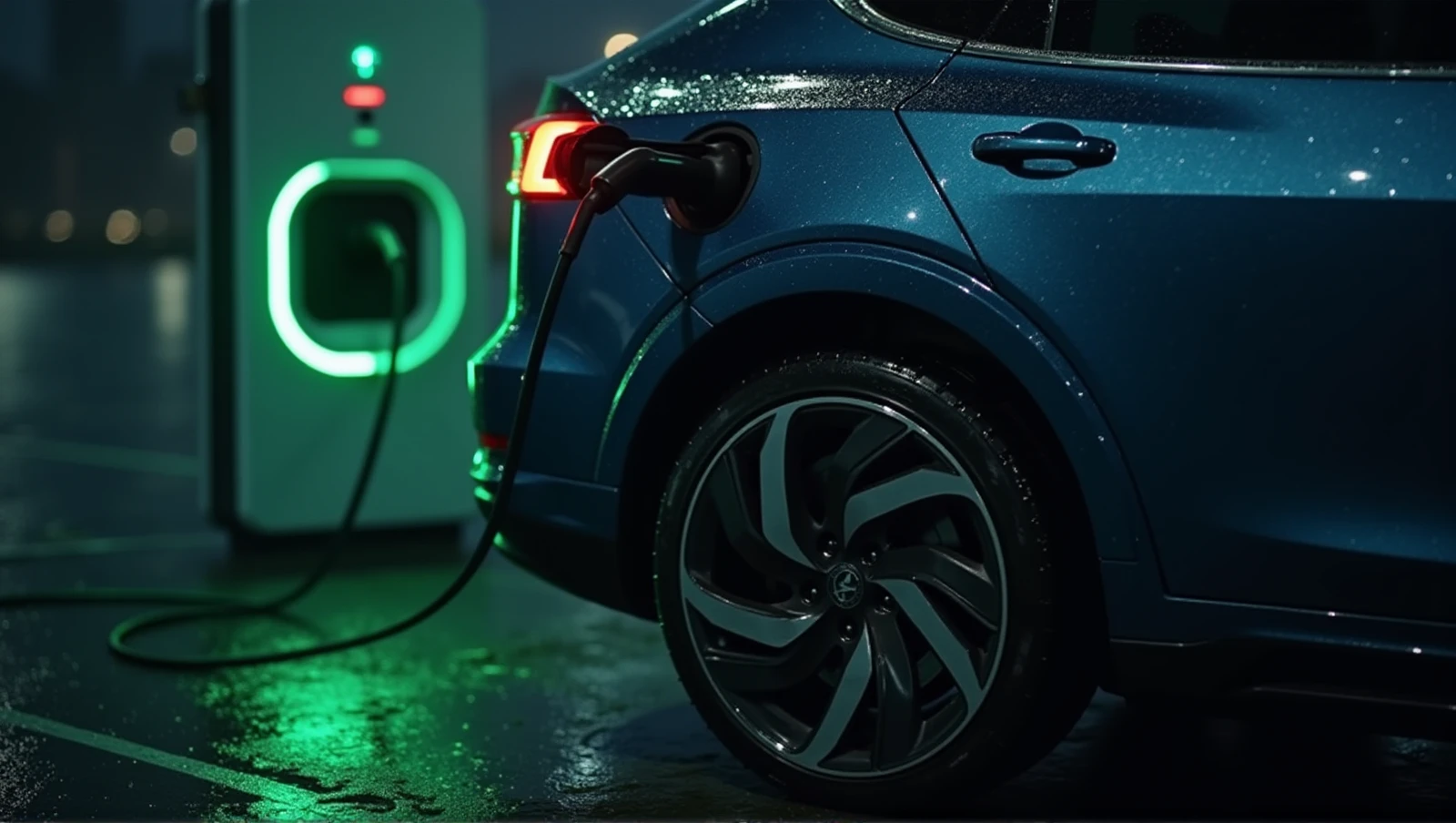
To support that infrastructure, the ministry says 75 new public charging projects for EV users are being funded across the province. This is the tangible piece of the puzzle. A mandate means nothing if the grid cannot support the load. For a car that runs on a battery, having reliable charging is a rough start if the network is sparse. Funding 75 projects is a step, but whether it matches the pace of vehicle registration remains the question investigators like myself always ask when looking at system safety and reliability.
What Buyers Need to Know Now
Policy changes can ripple through resale values and inventory mix. If the mandate is lower, manufacturers may allocate fewer zero-emission units to the province, potentially keeping internal combustion models on shelves longer. Here is how to protect your interests during this transition.
- Verify Charging Access Before Purchase: With 75 new projects funded, check the specific locations against your daily route. Do not rely on projected maps; use existing infrastructure data.
- Monitor Federal Plans: Targets for 2028 to 2030 will be informed by federal plans expected this summer. Wait for those details before committing to a long-term lease if you require regulatory certainty.
- Assess Resale Implications: A 75 per cent mandate still restricts 25 per cent of the market to non-ZEVs. Understand that non-compliant vehicles may face different resale dynamics compared to regions with stricter or looser rules.
- Watch for Rebate Changes: The federal shift moved from mandates to rebates. Ensure you qualify for current incentives before signing, as these programs often change with fiscal updates.
Stability is the most valuable commodity in the automotive market. When regulations shift, it creates uncertainty for automakers planning production lines years in advance. By aligning with federal goals, B.C. is attempting to reduce the regulatory burden on automakers. However, for the consumer, the priority remains having a vehicle that fits their life without relying on hypothetical infrastructure or shifting political winds. The 26 per cent compliance requirement for 2026 and 2027 remains firm, so the immediate pressure on showrooms hasn't vanished. But the long-term promise of a fully zero-emission fleet by 2035 is now officially a majority target, not a total one.