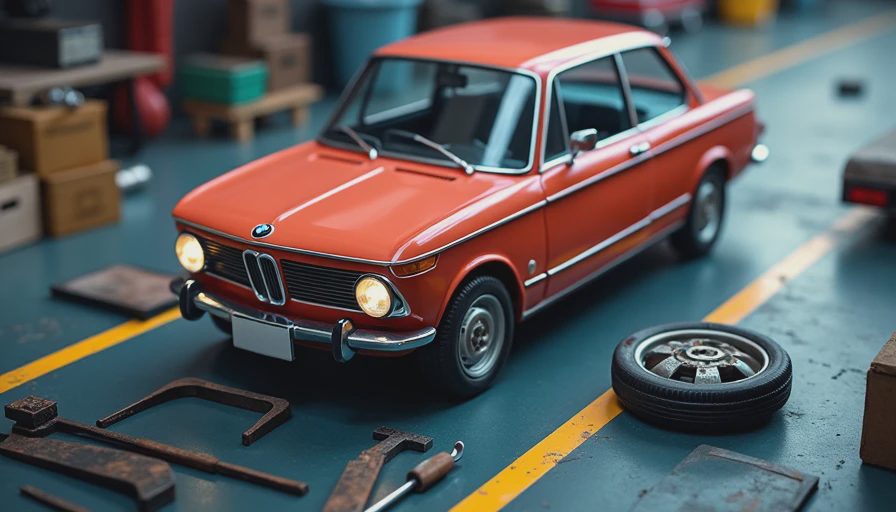
The bmw 2002 is small, light, mechanically straightforward, and valuable enough to attract thieves, restoration mistakes, and insurance misunderstandings. Owners often insure one as though it were an ordinary used sedan, then discover that standard coverage does not reflect the car's actual value or how it is driven. If you own a restored 2002, a surviving original example, or a modified touring car, the policy deserves the same careful review as the vehicle itself.
I spent years examining vehicle safety complaints and defect records. A classic car presents a different consumer problem: the risk is often not a factory defect but a gap between what the owner believes is protected and what the contract actually pays. Here's what the data shows. Here's what owners should do: document the car, establish its value, and buy coverage that recognizes limited use.
Why a BMW 2002 Needs Specialized Coverage
A typical auto policy is built around actual cash value. After a covered loss, the insurer generally considers age, condition, comparable vehicles, depreciation, and salvage value. That approach can work for a common commuter car. It can be frustrating for a well-maintained bmw 2002 because replacement parts, correct trim, rust-free body panels, and professional labor can cost more than a generic valuation suggests.
Classic-car insurance commonly uses agreed value. You and the insurer establish a value before a loss, usually after photographs, an appraisal, receipts, or a detailed application. If the vehicle is a total loss from a covered event, the settlement is based on that agreed amount, subject to the policy terms. Some insurers offer stated value instead, but that language can operate differently and should not be treated as an automatic promise to pay the stated number.
Companies such as Hagerty, Grundy, American Modern, and specialty programs offered through larger insurance groups typically focus on collector vehicles. Their underwriting rules differ. A daily driver, newer vehicle, secure storage, annual mileage, and driving history can affect eligibility and price. A quote comparison is useful, but reading the valuation clause is more important than choosing the lowest premium.
A realistic annual premium might range from roughly $300 to more than $1,000 for a carefully stored classic, depending on value, location, mileage, driver history, deductible, and coverage limits. That range is not a guarantee. It is a reminder that a $20,000 to $40,000 vehicle should not be evaluated by premium alone.

How to Set a Defensible Value
Start with evidence rather than an optimistic listing price. Photograph every exterior panel, the engine bay, underbody, interior, wheels, luggage area, and identification plate. Keep restoration invoices, parts receipts, alignment records, paint documentation, and photographs from before and after major work. A 1972 bmw 2002 with a documented engine rebuild and rust repair should not be described simply as an old BMW in an insurance file.
Research several comparable sales, but separate asking prices from completed transactions. Auction advertisements can be useful for identifying equipment and condition, while an independent appraisal provides a more formal opinion. Tell the appraiser whether the car is a tii, touring model, automatic, survivor, modified street car, or race-oriented build. A vehicle with non-original suspension, fuel injection, wheels, or engine may have a different market and may need specialty underwriting.
Revisit the value after a major restoration. Spending $12,000 on paint does not always increase market value by $12,000, but failing to report the work leaves an insurer with less information when evaluating the claim. Update photographs at least annually and after any change that affects condition or value.
Read the Use Restrictions Before Buying
The most important limitation may be mileage and use. Classic policies often permit pleasure driving, club events, parades, exhibitions, and maintenance trips. They may exclude commuting, delivery work, rideshare use, or regular errands. Some require the owner to have another vehicle for daily transportation. If you use a bmw 2002 for a weekly commute, disclose that use before binding coverage instead of assuming a collector policy will quietly accommodate it.
Ask how the policy treats overnight storage. A locked private garage may be required, and outdoor parking could affect eligibility or claims handling. Ask whether coverage applies during a regional car show, a road trip, a rally, or transport by a professional carrier. Do not assume that a track day, timed event, autocross, or competition is covered; many policies exclude it entirely.
Check liability limits separately from physical-damage protection. Agreed value protects the insured vehicle under covered conditions, but it does not replace bodily injury and property damage liability coverage. A serious crash can create medical bills, lost income claims, and damage to another vehicle. Choosing only the minimum legal liability limit can expose household assets even when the classic itself is well insured.
Common BMW 2002 Claim Problems
Rust is a recurring concern in old unibody cars. Surface corrosion, structural corrosion, prior repairs, and hidden damage are not interchangeable. Before coverage begins, provide clear underbody photographs and disclose known rust or incomplete restoration. Concealing a condition can create a dispute that costs more than professional inspection would have.
Modified cars deserve equal care. A period-correct Weber carburetor, upgraded brakes, replacement seats, modern suspension, or custom wheels can affect repair cost and safety. Ask whether custom parts are included in the agreed value or require a separate endorsement. Keep receipts and take photographs showing the parts installed.
A theft claim can also turn on records. Store the title, appraisal, build sheet, and spare keys somewhere other than the vehicle. Consider a hidden battery cutoff or professionally installed tracking device, but do not rely on an anti-theft device to replace comprehensive coverage. Comprehensive insurance generally addresses non-collision losses such as theft, fire, vandalism, falling objects, and weather, subject to the deductible and exclusions.
A Practical Coverage Checklist
Before selecting a policy for a bmw 2002, complete these steps:
- Write down the chassis number, model year, body style, mileage, and major modifications.
- Photograph the car in daylight, including flaws that a claims adjuster should know about.
- Collect appraisals, receipts, title documents, and restoration records in one digital folder.
- Request an agreed-value quote and ask exactly what happens after a total loss.
- Confirm permitted mileage, commuting rules, storage requirements, and event exclusions.
- Select liability limits based on your financial exposure, not only the minimum required by state law.
- Choose a deductible you could pay immediately after theft, fire, or collision damage.
- Ask whether towing, spare parts, tools, and newly acquired parts receive coverage.
- Recheck the policy after an engine swap, repaint, sale of parts, or substantial restoration.
That process takes an evening and can prevent weeks of argument after a loss. It also gives you a cleaner record if you change insurers later.
When Standard Insurance Still Makes Sense
Not every bmw 2002 needs a specialty policy. If the car is heavily modified, driven frequently, parked outside, or used as regular transportation, a standard insurer may provide a better fit. Some owners also prefer one carrier for multiple vehicles, homeowners coverage, umbrella liability, and roadside assistance. The key is matching the policy to actual use rather than forcing a collector label onto a daily driver.
Ask a standard insurer how it will value the car, whether repair-shop choice is restricted, and whether original or equivalent parts are considered. A low premium can lose its appeal if the settlement uses ordinary used-car data for a rare, carefully documented vehicle. Conversely, a specialty policy with strict mileage rules is a poor choice if you routinely drive to work.
The Bottom Line for Owners
The bmw 2002 remains appealing because it is engaging without being excessive. That simplicity does not make its insurance simple. Parts availability, restoration quality, theft exposure, and market value all matter. The right policy should identify the car accurately, establish a credible value, permit the driving you actually do, and provide liability protection that would not jeopardize your finances after a serious crash.
If you own one of these vehicles, this week's task is straightforward: photograph it, gather the records, and request at least two detailed quotes. Ask every insurer to explain valuation and exclusions in plain English. Then read the contract before paying. A few hours of investigation now is a better investment than discovering after a fire or collision that the policy protected an ordinary old car instead of the classic sitting in your garage.




No notes on this sheet yet.