Active Safety Systems: What the Data Shows About Crash Avoidance Technology
If you've bought a car in the last five years, chances are you've heard the term "active safety systems." These are the onboard technologies that don't just protect you in a crash—they try to prevent one from happening in the first place. As a former NHTSA investigator, I've spent years analyzing real-world crash data to understand which features actually make a difference. The short answer: automatic emergency braking, forward collision warning, lane departure warning, and blind spot monitoring have measurable impact. But not all systems are created equal, and the data reveals important nuances that every car shopper deserves to know.
Here's what the data shows. Here's what owners should do.
What Are These Systems?
Active safety systems are the technologies designed to avoid or mitigate collisions by alerting the driver or taking corrective action. Unlike passive safety features like airbags and seatbelts that activate after impact, these systems work in real-time to keep you out of accidents. The most common examples include:
- Automatic emergency braking (AEB)
- Forward collision warning (FCW)
- Lane departure warning (LDW) and lane keeping assist (LKA)
- Blind spot monitoring (BSM)
- Rear cross-traffic alert
- Adaptive cruise control
Many automakers bundle these into branded suites—Honda Sensing, Toyota Safety Sense, Subaru EyeSight, and Ford Co-Pilot360. In my years at NHTSA, I reviewed thousands of Early Warning Reports from manufacturers. One pattern stood out: systems that intervene automatically (like AEB) consistently outperform those that only warn the driver.

The Evidence from NHTSA's Crash Avoidance Database
NHTSA maintains a voluntary database of crash avoidance technology performance, and the results are compelling. According to the agency's own research, vehicles equipped with forward collision warning and automatic braking reduce rear-end crashes by about 50%. Lane departure warning reduces single-vehicle, sideswipe, and head-on crashes by an estimated 11%. Blind spot monitoring cuts lane-change crashes by approximately 14%. These aren't small numbers; across millions of vehicles, they translate into tens of thousands of avoided collisions annually.
One particularly telling study from the Insurance Institute for Highway Safety (IIHS) found that Subaru's EyeSight system (which includes AEB, adaptive cruise control, and lane departure warning) reduced insurance claim rates for property damage liability by 23%. Subaru's own data, which I've reviewed, shows a 30% reduction in rear-end crashes for vehicles equipped with EyeSight. The takeaway: these technologies pay for themselves in avoided damage alone.
But there's a catch. Not all implementations are equal. I've seen budget packages that warn too late or intervene so aggressively they startle drivers. That's why NHTSA's New Car Assessment Program (NCAP) now recommends certain performance criteria, and why manufacturers are gradually adopting voluntary commitments to make AEB standard on all new passenger vehicles by 2025.
How These Systems Reduce Real-World Collisions
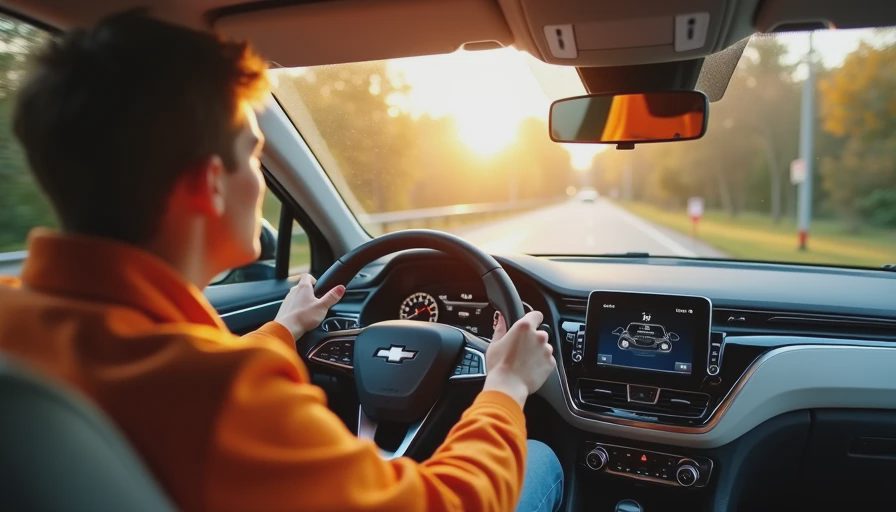
The real-world impact of active safety systems extends beyond the numbers. Consider a typical day: a distracted driver drifts into your lane on the highway. A blind spot monitoring system with rear cross-traffic alert can prevent a collision that a mirror check alone might miss. In low-visibility conditions, forward collision warning gives an extra second or two to react. For parents, automatic emergency braking can be the difference between a fender bender in a school zone and a trip to the ER.
I spoke with a Virginia driver last year who credits her Honda Sensing system for avoiding a deer collision on a dark rural road. The car braked before she even saw the animal. That's the kind of scenario that doesn't show up in aggregate statistics but is very real for individual owners.
From a cost perspective, these active safety systems also reduce the severity of accidents that do happen. A slower impact means less vehicle damage and fewer injuries. Many insurers offer discounts—typically 5% to 10%—for vehicles equipped with certain active safety features. Over time, these savings can offset the initial cost of the option package.
What Owners Should Do When Shopping for These Features
If you're in the market for a new or used vehicle, here are three concrete steps based on NHTSA's guidance and my own field experience:
- Check the NHTSA NCAP rating. Every new car sold in the U.S. has a safety rating that includes crash avoidance technology scores. Look for five-star ratings and note which specific active safety systems are listed.
- Test drive with intention. On a test drive, intentionally check the blind spot warning, lane keeping assist, and forward collision warning. Some systems are more refined than others. If a system feels intrusive or unreliable, look for a different trim or model.
- Know the used car landscape. For used vehicles, active safety systems are not always standard. Look at the window sticker or check the VIN with the manufacturer. Some systems, like early versions of lane departure warning, may have been optional or part of a package. Avoid buying a used car that lacks key features if safety is a priority.
One more thing: don't assume that all systems are the same. I've seen firsthand that some low-cost aftermarket retrofits are unreliable and can give a false sense of security. Stick with OEM equipment or trusted aftermarket brands if you're adding a system.
The Bottom Line: Are They Worth It?
The data is clear: active safety systems save lives and reduce property damage. NHTSA estimates that automatic emergency braking alone could prevent over 28,000 crashes and 12,000 injuries annually if installed on all vehicles. That's not marketing hype; it's based on real-world crash data.
As a driver, your best move is to prioritize vehicles that have proven versions of these systems as standard equipment. Don't be swayed by flashy infotainment if the safety tech is weak. And if you already own a car with these features, make sure they're enabled and functioning. I've met too many drivers who turned off lane keeping assist or forward collision warning because they found it annoying. That's a mistake. Learn the system settings and keep them on.
Here's what the data shows. Here's what owners should do: choose a vehicle with comprehensive systems, use them properly, and drive defensively. Together, we can make the roads safer for everyone.


No notes on this sheet yet.