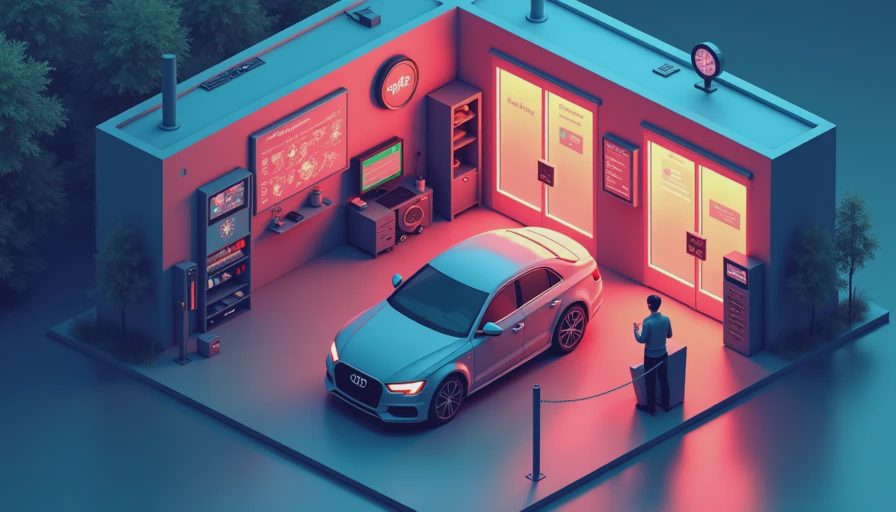
Here's what the data shows: when you replace your windshield, you're not just swapping glass—you're potentially knocking your vehicle's entire safety net out of alignment. In my years at NHTSA, I saw pattern after pattern of accidents that traced back to sensors that were never recalibrated after a windshield swap. That's why **ADAS calibration after windshield replacement** isn't optional; it's a required safety step that too many drivers skip—often without even knowing it.
Today, most new vehicles come with Advanced Driver Assistance Systems (ADAS) that rely on cameras and sensors mounted on or behind the windshield. Features like lane-keeping assist, automatic emergency braking, and adaptive cruise control all depend on precise positioning. The moment that windshield comes off and a new one goes on, the camera's aim can shift by a fraction of a degree—and that's enough to turn a safety feature into a hazard.
What Is ADAS Calibration?
ADAS calibration is the process of realigning the cameras and sensors that make up your vehicle's driver-assistance suite. Depending on the make and model, calibration might involve a static procedure—where the car is parked in front of a special target board—or a dynamic one, where a technician drives the vehicle at a specific speed while the system re-learns its environment. Some vehicles require both.
Manufacturers like Subaru, Honda, Toyota, and most luxury brands mandate calibration after any windshield replacement. But here's the catch: many aftermarket glass shops don't have the equipment or training to do it. They'll replace the glass, hand you the keys, and you'll drive off thinking everything is fine. It's not.
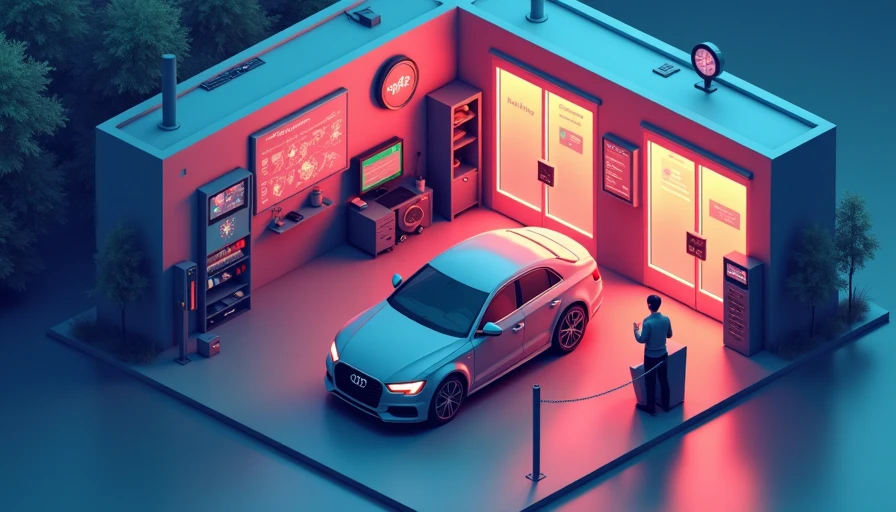
Why Windshield Replacement Demands Calibration
The camera module for features like forward collision warning is usually glued to the glass or mounted just above the rearview mirror. When you remove the original windshield, that camera loses its reference point. Even a 1-degree misalignment can cause the system to misjudge distance—at 65 mph, that's a difference of several car lengths when it comes to braking decisions.
I've reviewed NHTSA complaints where drivers reported their automatic braking slammed on for no reason after a windshield swap. Others complained the system stopped working entirely. In one case I tracked, a driver's lane-keeping assist pulled the car into the shoulder because the camera was aimed 2 degrees off center. The shop that replaced the glass said calibration wasn't needed. That's false.
Most OEMs explicitly require calibration in their service manuals. Some even specify that the camera must be removed and reinstalled using single-use fasteners. If your windshield replacement shop doesn't mention calibration, you need to ask why.
What Happens If You Skip Calibration?
Skipping **ADAS calibration after windshield replacement** can lead to several dangerous outcomes:
- **False alerts:** Your car might randomly beep or flash warnings, distracting you from driving.
- **No alerts at all:** The system may become completely blind to obstacles.
- **Erratic behavior:** Lane-keeping could steer you into traffic, or adaptive cruise control might not maintain safe distance.
- **Voided warranties:** If an accident occurs and an investigation reveals that ADAS was not recalibrated, your insurance or warranty may not cover the damage.
Here's what owners should do: before you schedule any windshield replacement, call three shops and ask directly, "Do you perform ADAS calibration, and do you use OEM-specified procedures?" If they hesitate or say "we just install the glass," move on.
How Much Does ADAS Calibration Cost?
Calibration isn't cheap—but it's far cheaper than a collision. Prices typically range from $150 to $600 per calibration, depending on the vehicle and the type (static vs. dynamic). Some luxury or EV models can exceed $1,000. When you factor that into the total cost of windshield replacement ($200–$500 for the glass itself), the bill can easily hit $700 or more.
Is it worth it? Absolutely. Compare that to the cost of a single at-fault accident where your ADAS failed to prevent a crash—and the liability that follows. In my opinion, it's the most important line item on the invoice.
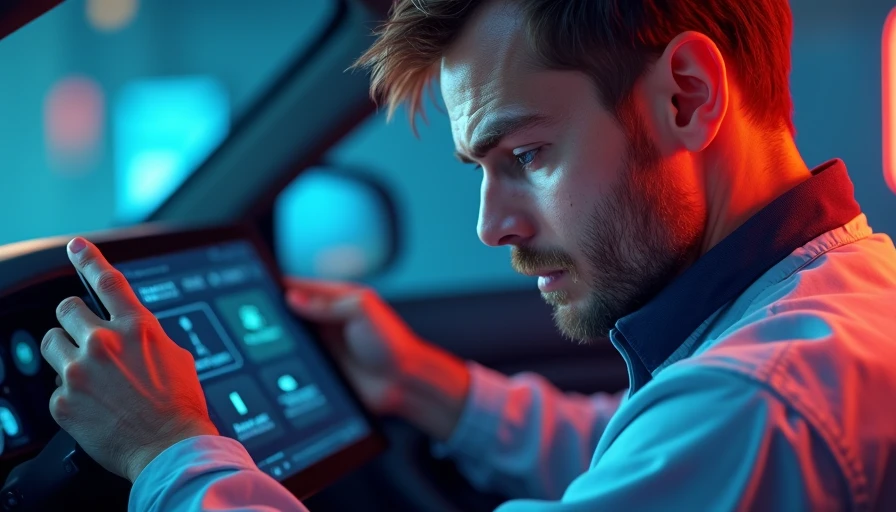
Step-by-Step: What Owners Should Do
- **Check your vehicle's owner manual or service manual** for calibration requirements. Every automaker publishes this information.
- **Choose a shop that has OEM certification** for your vehicle brand and performs calibration in-house. Avoid shops that outsource calibration to a third party—there's too much room for error.
- **Ask for documentation** before and after the job. The technician should provide a printout or digital record showing that calibration passed.
- **Test your ADAS features** after you get the car back. On a safe road, check lane-keeping, adaptive cruise, and automatic braking. If anything feels off, take it back immediately.
- **Keep receipts** for both the glass and the calibration. If you ever need to file an insurance claim or sell the car, that paper trail proves the work was done right.
The Bottom Line
Here's what the data shows: **ADAS calibration after windshield replacement** is a non-negotiable safety step. It's not an upsell; it's a requirement. Between 2018 and 2023, NHTSA recorded over 1,000 complaints related to ADAS malfunctions—many of which could have been prevented by proper calibration after glass work. As a consumer, the only way to protect yourself is to stay informed and demand the right service.
If you own one of these vehicles, this week's task is to call your past windshield replacement shop and ask if they calibrated your ADAS. If they didn't, schedule a calibration as soon as possible. Don't wait for a warning light—or worse.

No notes on this sheet yet.