If you are shopping for a Forerunner Toyota 2017, start with the basics: this is the kind of body-on-frame SUV people choose when they want durability more than trendiness. A lot of shoppers use that phrase when they mean the 2017 Toyota 4Runner, and that matters because the value proposition is simple. You are not buying the newest cabin, the best fuel economy, or the slickest tech. You are buying a truck-based SUV with a reputation for lasting a long time if it has been maintained and not abused.
Why Forerunner Toyota 2017 still draws buyers
The appeal is easy to understand from a consumer standpoint. A clean Forerunner Toyota 2017 usually attracts drivers who want a strong resale story, a proven V6, and a platform that is not chasing complicated turbo hardware. The 4.0-liter engine and five-speed automatic are old-school in the best sense: fewer surprises, familiar service routines, and lots of independent shops that know their way around them. That does not make it perfect, but it does make the ownership picture easier to read than many newer crossovers.
The tradeoff is just as clear. This SUV rides like a truck because it is one. It is tall, heavy, and not especially efficient, so owners should expect fuel economy in the mid-teens to low-20s depending on drivetrain and use. If you drive mostly highway miles, that can be tolerable. If you commute in stop-and-go traffic, the fuel bill becomes part of the story. The upside is that many owners accept that cost because they value towing ability, trail use, and a more rugged chassis.
A lot of shoppers also like the fact that this model has not been turned into a gadget farm. The cabin is functional, the controls are easy to read, and the cargo area works for dogs, camping gear, or a week of family travel. That matters more than a glossy screen once the miles start piling up. In my book, long-term usefulness is the real selling point here, not showroom polish.
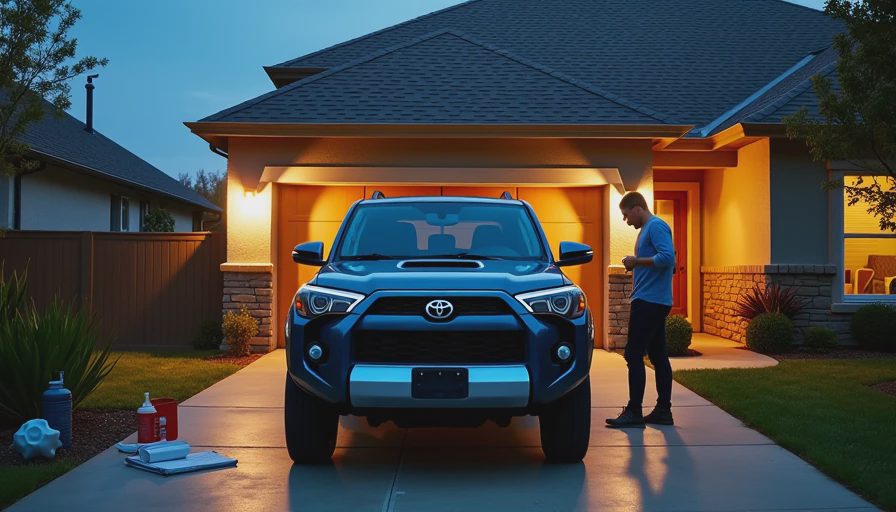
Safety checks for a Forerunner Toyota 2017
Reading a used-SUV file carefully, what stands out is that owners should not confuse a good reputation with a clean history. Check the VIN on NHTSA’s recall lookup before money changes hands, and do not take a seller’s word that every campaign was completed. I have seen too many buyers assume a dealer service sticker means the whole vehicle is clear. The paperwork has to match the VIN, the date, and the repair record.
Rust deserves special attention, especially if the truck spent time in the Midwest, the Northeast, or any salt-heavy climate. Look under the frame rails, around the rear suspension, at brake and fuel lines, and near the spare tire hoist. Surface rust is common on a vehicle of this age. Flaking, scaling, or swelling metal is not something to shrug off. If a seller waves away underbody corrosion, walk away or price the repair into the deal. You do not want to discover a structural problem after you have signed the title.
Maintenance history is the other big divider between a smart purchase and an expensive lesson. The engine uses a timing chain, not a belt, so you are not budgeting for a routine belt replacement. What you do want is evidence of regular oil changes, transmission service, differential and transfer case fluid changes if it is four-wheel drive, and brake work done on time. A thick stack of receipts is better than a shiny detail job. The more boring the maintenance file looks, the better.
What it costs to keep it honest
Ownership costs are where many buyers misjudge the truck. Tires are not cheap because this is a heavy SUV with larger sizes, and a quality set can run roughly $900 to $1,400 installed depending on brand and wheel size. Brakes, especially if rotors are needed, often land in the $350 to $700 range for an axle at an independent shop. A battery, alignment, or suspension bushing replacement will add smaller hits, but those smaller hits add up. Plan for them instead of pretending the truck will be maintenance-free.
Insurance is usually straightforward, but the choice between liability-only and full coverage should be driven by the vehicle’s value, financing status, and your own risk tolerance. If the truck is still financed, the lender will usually require comprehensive and collision. If it is paid off, some owners drop to liability only, but that can be a false economy if the SUV is still worth real money. Compare the annual premium against the cost of one major repair or one parking-lot accident. That is the cleaner math.
A test drive should be more than a quick loop around the block. Start it cold if possible, listen for exhaust noise, suspension clunks, or a rough idle, and then bring it up to highway speed. The transmission should shift cleanly, the steering should track straight, and the brakes should feel firm without vibration. If the truck shudders under braking, pulls to one side, or feels sloppy over bumps, assume there is a reason. The worst used-vehicle purchases are the ones buyers rush because they like the color or the trim package.
What to do before you buy
If you want a practical way to handle a Forerunner Toyota 2017, keep the process simple: verify the VIN, pull the service records, inspect the underside in daylight, and insist on a long enough test drive to expose noise and drivability problems. If the seller refuses any of that, you have learned something important before spending a dollar. That is not being picky. That is how you avoid buying someone else’s deferred maintenance.
I also recommend a pre-purchase inspection from an independent mechanic who knows Toyota trucks. Paying $150 to $250 for that inspection is cheap compared with a hidden frame repair, tired suspension, or neglected fluid service. If the truck checks out, negotiate with the facts in hand. If it does not, keep shopping. There are always more listings, but there is only one chance to avoid a bad one.
Bottom line for shoppers
For anyone still comparing a Forerunner Toyota 2017 with a newer crossover, the decision comes down to what you value most. If you want a durable, no-nonsense SUV with strong resale and a proven driveline, this one still makes sense. If you want better fuel economy, quieter manners, and modern driver-assist features, look elsewhere and save yourself the compromise. Here’s what the data shows. Here’s what owners should do: verify the history, inspect the underbody, and buy only when the maintenance record supports the asking price.



No notes on this sheet yet.