The Honda Civic is a compact car with a long history, which means its safety record cannot be summed up by one rating or one recall headline. The answer depends on the model year, equipment, repair history, and individual vehicle identification number, or VIN. If you own one, check that VIN for open recalls. If you're shopping, add an independent inspection and a review of the specific vehicle's crash-test results before you buy.
There is no single recall count or VIN range that applies to every Civic. Here's what the data shows when you narrow the search to an individual vehicle. Here's what owners should do.
Start with the VIN, not the model name
Find the 17-character VIN on the dashboard at the base of the windshield or on the driver's door-jamb label. Enter it at NHTSA.gov/recalls and review any open safety recalls. Honda also has a recall lookup; comparing the two is useful if a recent repair or campaign does not appear as expected.
An open recall identifies a safety-related defect or noncompliance that has not been recorded as remedied for that vehicle. Read the description, the potential consequence, and the stated remedy. If the notice says the repair is not yet available, ask a Honda dealer how you will be notified and whether the manufacturer has provided interim instructions.
A clean VIN search is reassuring, but it is not a guarantee that the car has no defect. A recall may not cover a particular vehicle, and a newly announced campaign may take time to populate in lookup systems. Used vehicles can also have damage, worn components, or poor repairs unrelated to a recall.
The search result may list a NHTSA campaign number. Use that number to find the underlying recall documents, including the chronology and remedy details, rather than relying on a headline. Those documents establish the campaign's scope; they do not establish that every car outside it is trouble-free.
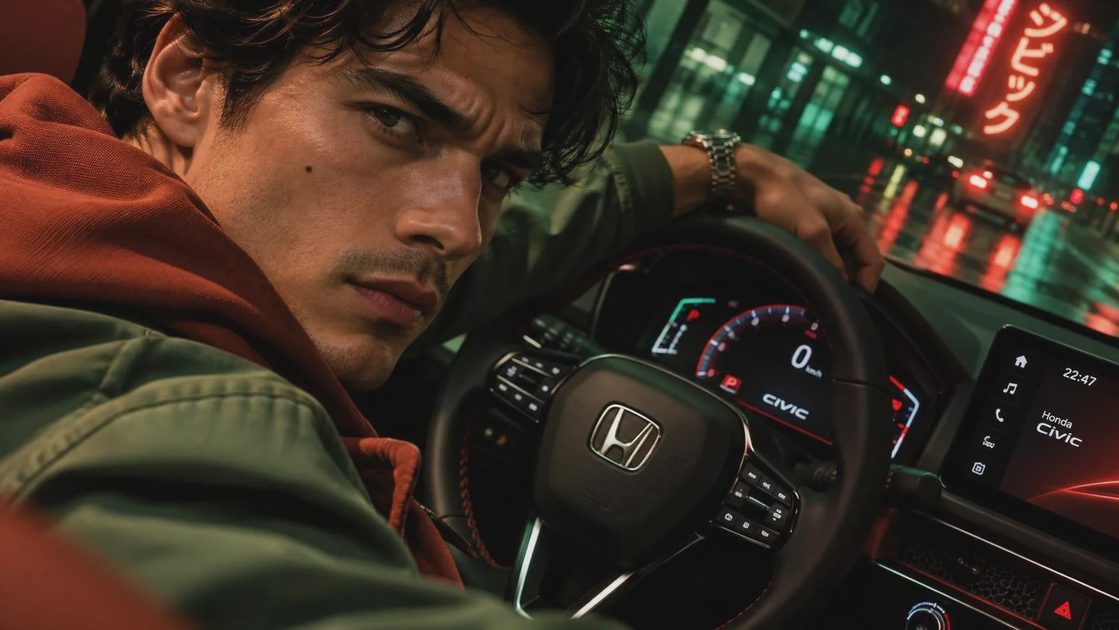
What Honda Civic owners should do
First, save or print the VIN lookup result and note any campaign numbers. Then call an authorized Honda dealer with the VIN to confirm whether parts are available and schedule the remedy. Safety recall repairs are generally performed free of charge; ask the dealer to explain any proposed charge that appears related to the recall before authorizing work.
Second, follow any specific warning in the recall notice. A do-not-drive instruction deserves exactly that response: do not drive the vehicle, and contact the dealer or manufacturer about the stated remedy and transportation arrangements. Not every recall requires parking the car, so read the actual instruction rather than assuming the same restriction applies to all campaigns.
Third, keep the repair order. It documents what was done and when, which matters if the issue returns or you later sell the car. If a dealer cannot complete an available remedy, document the date, the explanation, and whom you contacted. You can also contact Honda and report the difficulty to NHTSA.
If you experience a sudden loss of braking, steering control, or power, prioritize getting safely off the road. Arrange a tow if the vehicle cannot be operated safely, and have the problem diagnosed. A VIN lookup is not a substitute for responding to an actual symptom.
Read complaints and investigations in context
NHTSA's vehicle pages let you look up complaints and other safety information by model and model year. For a Honda Civic you already own or are considering, read the descriptions for the same year and pay attention to the component, operating conditions, warning signs, and mileage. A cluster of similar descriptions can identify questions worth asking a mechanic.
A complaint is an owner's report, not proof that the alleged defect exists in every vehicle. Reports can be incomplete or describe different causes with similar symptoms. Likewise, an investigation is not automatically a recall: investigators may examine a potential issue before reaching a decision, and a recall has its own defined population and remedy.
If you submit a complaint, describe what happened in sequence. Include the VIN, approximate mileage, warning lights, speed or driving conditions, any crash or injury, and what a shop found. Separate what you observed from what you suspect. Save invoices and photographs, but do not delay a needed repair simply to preserve evidence.
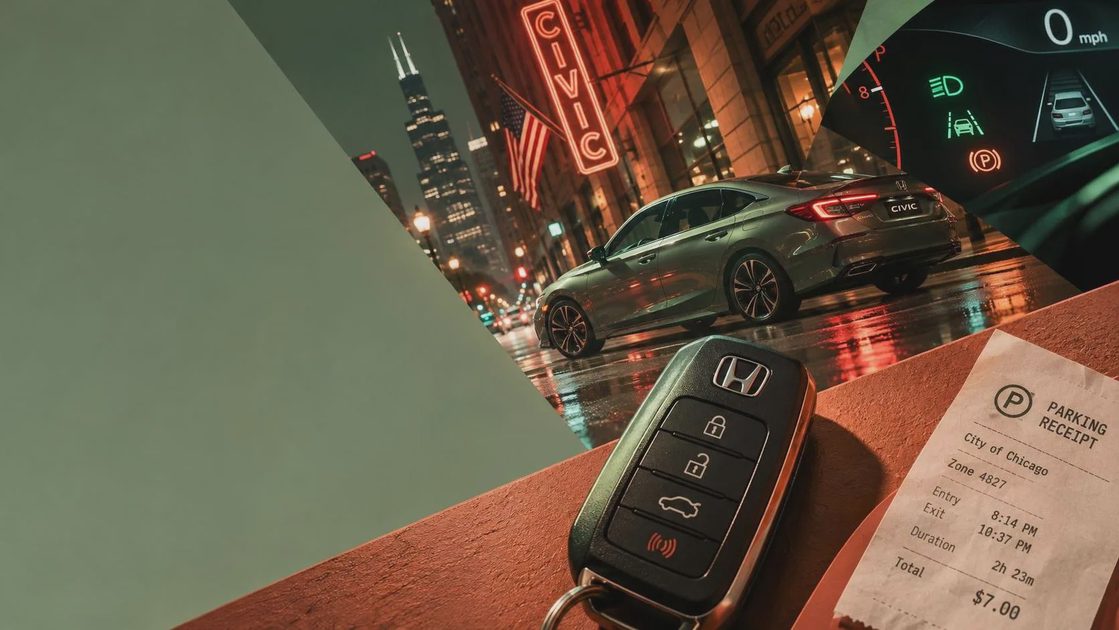
Buying a used Honda Civic: inspect the individual car
Before leaving a deposit, run the VIN through the recall lookup and ask the seller for maintenance records and recall repair documentation. An unresolved recall is a reason to establish who will arrange the repair and when. If the remedy is unavailable, understand the interim guidance and whether the risk is acceptable to you before proceeding.
Pay an independent mechanic to inspect the car before purchase. Ask for a scan for diagnostic trouble codes, a brake and tire assessment, a check for fluid leaks, and a look underneath for corrosion or collision repairs. A vehicle-history report can add context, but it may not capture every crash, repair, or maintenance visit. Neither it nor a clean recall search replaces an inspection.
On a test drive, check that warning lights illuminate at startup and then go out as expected. Listen for unusual noises, check for pulling or vibration, and make sure the seller allows a normal road-speed drive where safe and legal. These observations are leads for a mechanic, not a diagnosis. If a seller refuses an independent inspection, I would move on.
Compare safety equipment and crash results
The Honda Civic has been sold across many model years and configurations. Do not assume that a feature fitted to one car is standard on another. Check the window sticker, owner's manual, or VIN-specific equipment information for the vehicle you are considering. Test features only as described in the manual; never stage a dangerous situation to see whether an automatic braking system intervenes.
Look up NHTSA crash-test ratings for the exact model year and body style, and review results from the Insurance Institute for Highway Safety as well. Ratings and testing programs change, so compare vehicles under the same applicable test criteria where possible. A high rating is useful evidence, not a promise of protection in every crash.
Finally, check that every seat belt latches, that child restraints can be installed correctly where needed, and that tires match the vehicle's specified size and load requirements. For any Honda Civic, the strongest buying decision combines the public record with a close inspection of the particular car in front of you.



No notes on this sheet yet.