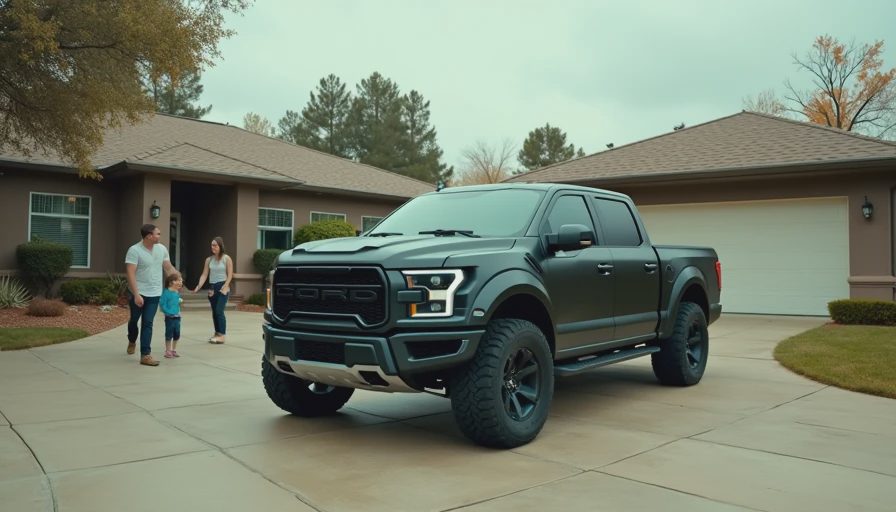
A matte black cybertruck attracts attention before it moves a foot. That creates practical questions that glossy showroom photos do not answer: Is the finish factory-applied or a wrap? Does a dark exterior affect visibility? Will insurance cover the added appearance work after a crash? I approach those questions as a former vehicle safety investigator, starting with documentation rather than social-media claims. Here's what the data shows. Here's what owners should do.
The first point is basic but important. The Cybertruck's production body uses stainless steel panels, while a matte black appearance is commonly created through an aftermarket vinyl wrap, paint-protection film with a dark finish, or another modification. Those products are not interchangeable. Their thickness, installation quality, removal process, and value can differ substantially. Before buying a matte black cybertruck, ask for an itemized description of the finish and the installer’s warranty.
Factory finish, vinyl wrap, or painted surface?
A wrap can cost roughly $3,000 to $7,000, depending on material, coverage, preparation, and installer reputation. A premium color-change film or protective film can run higher, especially when the shop removes trim and covers difficult panel edges. A painted conversion is a different proposition because it permanently changes the surface and can complicate later repair work. The invoice matters more than the seller’s description.
For a matte black cybertruck, inspect edges around cameras, door handles, lamps, charging access, and panel seams. Lifted film can trap dirt and moisture, while poorly trimmed material can interfere with sensors or leave exposed sections that do not match after a repair. Ask whether the installer used a material approved for exterior automotive use and whether removal is expected to damage the underlying finish. Keep photographs of the vehicle before and after installation.
This is not a recall finding. I have seen no basis to label every dark-wrapped Cybertruck defective simply because its appearance was changed. The safety question is narrower: did the modification obscure required lamps, alter sensor performance, reduce conspicuity, or interfere with service? Those are inspection questions, not internet arguments.

Visibility is the real safety issue
A matte black cybertruck can look highly visible in a parking lot and less conspicuous on a dark road. Color alone does not determine crash risk, and I would not claim that a black wrap automatically makes a vehicle unsafe. Lighting, weather, roadway background, clean lamps, reflective elements, and driver behavior all matter. The practical concern is contrast, particularly during dusk, rain, or poorly lit intersections.
Walk around the vehicle at night with the lamps operating. Confirm that headlights, taillights, turn signals, side markers, and the center high-mounted stop lamp are not covered, tinted, or surrounded by film that changes their apparent output. A wrap should not cover reflective markings or create loose material near a light assembly. If a shop proposes tinting a lamp to complete the look, ask for the legal and safety basis in writing and choose visibility over styling.
The Cybertruck’s unusual geometry also deserves a careful check. After an installation, verify that cameras and other driver-assistance hardware have a clear field of view. A film edge that seems harmless from outside can appear in a camera image or complicate cleaning. Driver-assistance systems do not replace direct observation, and a modified vehicle should receive a careful walk-around before every trip.
What insurance companies need to know
Tell your auto insurer about the wrap or other appearance modification before a loss occurs. A standard policy generally addresses the vehicle and covered equipment, but policies differ on custom parts, equipment, and accessories. Some carriers offer a limited amount of coverage for aftermarket equipment; others require an endorsement or separate stated amount. Do not assume a $5,000 wrap will automatically be paid in full after a collision.
Ask four direct questions. Is the wrap covered under collision coverage after a crash? Is it covered under comprehensive coverage if vandalized or damaged by weather? Does the deductible apply to the wrap claim? Will the insurer pay for removal and reinstallation, or only for a comparable replacement? Get the answers in writing through the insurer or agent.
A matte black cybertruck may also produce a repair disagreement if a body shop cannot match an older film. Vinyl fades, scuffs, and changes texture over time. A panel replacement may require wrapping the entire side to achieve a consistent appearance, turning a small physical repair into a larger cosmetic bill. Save the original invoice, material name, installation date, warranty, and photographs. Those records give an adjuster something concrete to evaluate.
Buying a used wrapped Cybertruck
If you are considering a used matte black cybertruck, treat the finish as a separate inspection item. Ask why it was installed and whether the vehicle has been in a collision. A wrap can conceal scratches, repaired panels, corrosion, adhesive residue, or uneven gaps. It does not prove any of those conditions exist, but it reduces what a casual visual inspection can reveal.
Use a paint-meter conversation carefully because stainless steel panels and film can make ordinary readings less useful. Instead, inspect panel alignment, fasteners, glass edges, door operation, and the underside of the film near seams. Ask a qualified body shop to inspect the vehicle with the wrap owner’s permission. A pre-purchase inspection costing around $150 to $300 is inexpensive compared with discovering a $5,000 repair after delivery.
Obtain a vehicle history report, confirm the VIN, and compare the seller’s statements with service records. If the seller says the appearance is factory-installed, verify that claim through Tesla documentation or the selling dealer. If the seller says the wrap is covered by a transferable warranty, call the installer before money changes hands.
A practical owner checklist
For any matte black cybertruck, complete these steps before regular use:
- Photograph every panel, lamp, camera area, wheel, and door edge in daylight.
- Record the wrap brand, color name, installer, invoice amount, and installation date.
- Check all lights and camera views after installation and after any panel repair.
- Notify the insurer and ask specifically about custom equipment and appearance coverage.
- Keep the deductible, claim procedures, and endorsement details with the vehicle records.
- Inspect film edges monthly for lifting, bubbling, tears, or coverage over lamps and sensors.
- Have a qualified shop examine any altered panel before applying a second layer of film.
The owner’s manual and current NHTSA recall search should remain the authority for vehicle campaigns. A wrap is not evidence of a recall, and the absence of a recall is not approval of every aftermarket installation. Check the VIN directly rather than relying on a seller’s screenshot or a forum comment.
The bottom line for buyers and owners
A matte black cybertruck is primarily a customization decision, but it has safety, maintenance, and insurance consequences. The strongest purchase is not the darkest finish; it is the one supported by a clear invoice, competent installation, unobstructed lighting and cameras, and written insurance confirmation.
Before you sign a sales contract, price the wrap separately, verify who owns the warranty, and request an insurance quote using the actual vehicle and modification details. Before you drive away, inspect visibility and document condition. If a seller will not identify the material, installer, or repair history, treat that omission as a reason to pause. The finish can be changed later. A poorly documented loss is much harder to fix.



No notes on this sheet yet.