F1 Scrambles to Fix 2026 Rules as Verstappen Threatens Exit Over Safety and Performance Concerns
When regulatory bodies wait for user complaints before fixing known defects, things usually go south fast. I spent 15 years at NHTSA investigating vehicle safety, and I've seen how delaying corrections erodes trust. Formula 1 is currently living through that exact scenario. The governing body has agreed to tweak its controversial 2026 regulations ahead of the Miami Grand Prix on May 3, but the damage to driver confidence may already be done.
This isn't just about lap times. It's about whether the people operating these machines feel safe and satisfied with the tooling provided. Four-time world champion Max Verstappen has been vocal, suggesting the new rule set would underwhelm. Now, with 2026 proving him correct, there is genuine speculation he might quit the sport entirely. When your top talent threatens to walk away over equipment concerns, you have a systemic failure, not just a bad season.
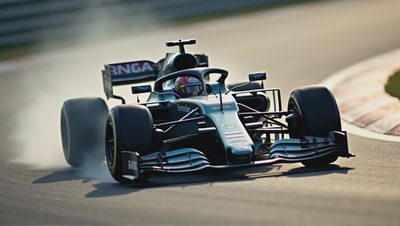
The core issue lies in the 2026 regulations. F1 has delivered a set of rules tweaks to address concerns about its controversial new cars. ESPN's Laurence Edmondson notes the question remains whether these changes will appease drivers. From an investigative standpoint, mid-cycle corrections often indicate the initial validation testing was insufficient. Domenicali claims F1 critics have "short memories," but drivers like Verstappen are looking at the immediate reality of the car's performance and safety envelope.
The Human Element in Engineering
Verstappen's dissatisfaction isn't isolated to the chassis. His inner circle is unraveling. The departure of his longtime race engineer Gianpiero Lambiase adds fuel to the inferno building over the four-time world champion's immediate F1 future. In engineering terms, losing key personnel during a development crisis complicates the feedback loop. Verstappen said Lambiase wanted his blessing to move to McLaren before making the decision. That level of transparency suggests the relationship was already strained by the car's deficiencies.
Contrast this with Lewis Hamilton. The seven-time champion disagrees with Max, stating F1's new cars have delivered "how racing should be." Hamilton suggests Verstappen's criticism is down to Red Bull not being competitive anymore. This conflicting testimony is common in defect investigations. One operator finds the vehicle acceptable; another finds it untenable. However, when the operator with the recent championship pedigree raises red flags, you investigate his claims first.
Meanwhile, new talent is emerging. Kimi Antonelli showed he's an F1 title threat in Japan. Yes, the timing of a safety car helped Antonelli to Sunday's win at the Japanese GP, but he was still the fastest car on track when it happened. This proves the field is shifting. If Red Bull loses Verstappen, they aren't just losing a driver; they are losing a development benchmark that competitors like McLaren and Mercedes are eager to exploit.
Governance and Structural Shifts
The regulatory scramble extends beyond the cockpit. Adrian Newey is set to step back from his team leadership role at Aston Martin to focus solely on technical matters. Newey is a legend in aerodynamic efficiency. His shift suggests teams are prioritizing raw technical problem-solving over management hierarchy to catch up with the rule changes.
F1 has started discussions around whether to make small rule changes for the rest of the 2026 season. Russell sees an opportunity to improve regs for Miami. This is the critical window. If the fixes implemented before May 3 don't resolve the fundamental handling or safety concerns, the exodus of talent could accelerate. Vettel sympathizes with the drivers on F1's rules, adding weight to the argument that the current governance structure is out of sync with operator needs.
What Fans Need to Watch
For observers tracking this season, the narrative is no longer just about who wins the race. It's about whether the regulatory body can stabilize the platform before key stakeholders leave.
- Monitor the Miami GP: Watch for driver feedback post-race on May 3. Any mention of the tweaked 2026 regulations being "better" or "worse" is data point one.
- Track Driver Movements: Verstappen's contract status is the biggest variable. If he exits at the end of 2026, it validates the claim that the rules broke the sport.
- Watch Red Bull's Performance: Without Lambiase and potentially without Verstappen, their engineering output may degrade, confirming the car was the issue, not the driver.
In my experience, when you ignore the warnings from your most experienced users, you pay for it later. F1 is trying to use a scalpel, not a baseball bat, as Wolff described. But if the patient is already walking out of the hospital, the precision of the tool doesn't matter. The sport needs to ensure the product is viable for the humans risking their lives to drive it.