The nascar all star race 2026 will attract fans looking for a short, aggressive NASCAR event rather than a conventional points race. The All-Star format is built for spectacle: a limited field, unusual rules, and drivers willing to accept more risk because championship points are not the central prize. That makes planning important. Tickets, lodging, parking, traffic, weather, and vehicle protection can affect the weekend as much as the racing itself.
As a former NHTSA investigator, I start with what is documented rather than what is circulating in fan forums. NASCAR and the host track should be the primary sources for the official date, venue, ticket terms, support races, qualifying procedure, and parking instructions. Until those details are published, treat social media graphics and resale listings as leads, not confirmation.
What the All-Star race is and why the format matters
The NASCAR All-Star Race is an exhibition event. Drivers generally compete for a large purse and prestige, but the race does not function like a standard points-paying Cup Series round. NASCAR has changed the format several times, using elements such as a smaller field, stage breaks, special qualifying, mandatory pit stops, or a tire and fuel strategy that differs from a normal Sunday race.
That history is why a prior-year schedule cannot automatically be applied to the nascar all star race 2026. A fan who assumes the same qualifying order or race length could arrive late, choose the wrong gate, or misunderstand when the most important on-track session begins. Read the sporting bulletin when NASCAR releases it. The details that matter include the number of laps, restart rules, eligible drivers, pit-road restrictions, tire allocation, and whether any special stage or heat procedure is being used.
The safety implication is straightforward: unusual rules produce unusual traffic patterns. Drivers may race harder on restarts, teams may pit under compressed timing, and spectators may leave at the same time after a late finish. Plan for the event as a full travel operation, not simply a two-hour appointment.
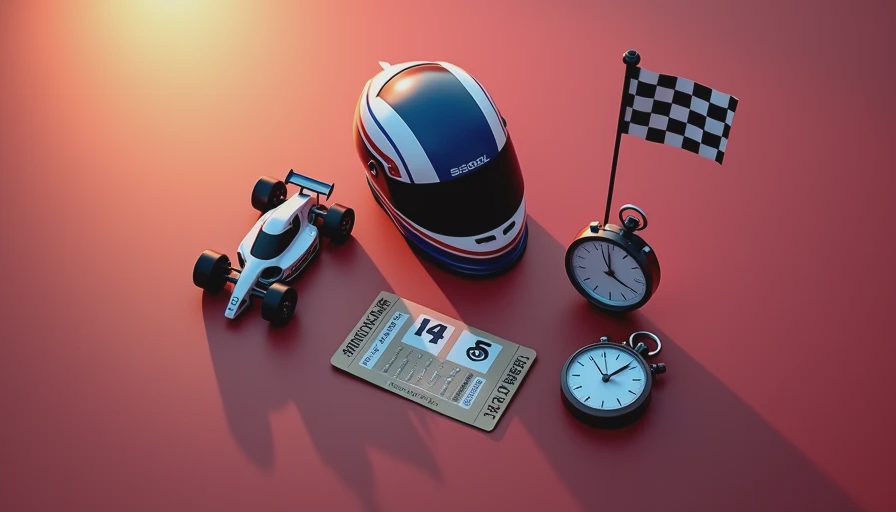
What is confirmed, and what still needs verification
For the nascar all star race 2026, fans should separate four categories of information. The first is official event information: the date, track, ticket seller, gate hours, parking map, and prohibited-items policy. The second is competition information: the field, qualifying method, race distance, tire rules, and support-series schedule. The third is travel information: road closures, shuttle locations, rideshare zones, camping rules, and nearby fuel availability. The fourth is resale information, including whether a ticket can be transferred and whether parking passes are sold separately.
This distinction prevents a common mistake. A listing on a ticket marketplace may show a seat location before the track has published the complete fan guide. A hotel may advertise an “event package” without guaranteeing transportation. A navigation app may route traffic through an entrance that is restricted to credentialed vehicles. None of those clues should replace the track’s official instructions.
Save screenshots of your ticket, parking pass, payment receipt, and hotel confirmation. Keep the original email available offline. Cellular service can become unreliable when thousands of people leave a compact venue at once.
Vehicle and parking safety for race weekend
Your vehicle faces ordinary road hazards plus the pressures of a major event: slow-moving queues, pedestrians between rows, hot pavement, gravel shoulders, and abrupt lane changes. Before leaving home, check tire pressure, tread, coolant level, battery condition, and windshield washer fluid. A portable jump starter, flashlight, water, phone charger, and basic first-aid kit are practical additions.
Do not leave wallets, camera equipment, firearms, laptops, or medication visible inside the cabin. Lock the vehicle and photograph its condition before entering the track. If a parking attendant directs you to a grass or dirt area, look for soft shoulders, standing water, and low drainage channels before pulling in. After heavy rain, a seemingly short walk can become a recovery problem.
Auto insurance coverage is also worth reviewing. Liability coverage applies to damage or injuries for which you are legally responsible, subject to your policy limits. Collision coverage generally addresses damage to your vehicle from a crash, while comprehensive coverage typically addresses non-collision losses such as theft, vandalism, hail, or falling objects. Neither coverage guarantees payment for every item left inside the vehicle, and deductibles apply. If you rent a car, understand the rental company’s damage waiver and your own policy before declining optional protection.
Getting in, getting out, and protecting passengers
The most dangerous part of a race weekend is not necessarily the grandstand. It can be the walk across a crowded parking area after dark. Wear shoes suitable for uneven ground, use marked pedestrian routes, and keep children or older passengers close when vehicles are moving. Choose a meeting point before entering the facility in case phones lose service.
Designate a sober driver before the first beer is purchased. Do not rely on a vague promise that someone will “feel fine” later. If alcohol is part of the plan, arrange a licensed rideshare pickup zone, shuttle, taxi, hotel bus, or designated driver. Never drive after using alcohol, cannabis, or a medication that impairs alertness. The drive home begins when the crowd is tired, visibility is poor, and impatience is high.
For families, pack hearing protection. Cup-style earmuffs are often easier for young children than disposable earplugs. Bring sunscreen, sealed water if permitted, and a light layer for a temperature drop after sunset. Review the venue’s bag policy before leaving the hotel; prohibited bags create a needless return trip through congested traffic.

A practical planning timeline
Two to three months before the nascar all star race 2026, confirm the official venue and date, compare refundable lodging, and price parking separately from admission. A motel farther from the track can be cheaper, but calculate fuel, parking, and travel time before calling it a bargain. Rates within a short drive of a major race can rise sharply once demand becomes clear.
Two weeks before the event, download the track map, inspect the vehicle, confirm your insurance identification card, and verify whether your payment cards work for tolls and parking. Check the weather forecast, but do not treat a forecast as a guarantee. Pack rain protection that complies with the venue’s rules.
On race day, arrive earlier than the advertised green flag. Qualifying and support events may provide better value than the headline race, and early arrival reduces the temptation to speed through unfamiliar roads. Before leaving, wait for the main pedestrian flow to clear, follow police or track personnel, and assume the first navigation route will be congested.
What to watch during the 2026 event
The nascar all star race 2026 should be evaluated not only by who wins but by how the format changes driver behavior. Watch restart spacing, pit-road traffic, tire degradation, and whether the rules reward a short burst of aggression over long-run consistency. Those observations help explain why an exhibition race can look more chaotic than a points event without proving that any particular team has a mechanical defect.
Fans should also resist turning a visible incident into a technical accusation. A damaged bumper, tire failure, or spin is not automatically evidence of a safety defect. The responsible question is whether similar failures form a documented pattern, whether NASCAR issues a technical bulletin, and whether NHTSA receives relevant consumer complaints. Racing incidents and road-vehicle recalls are separate matters.
Final checklist before you go
The best preparation for the nascar all star race 2026 is specific: buy through an authorized channel, confirm the official schedule, save digital and printed documents, inspect the car, secure valuables, review coverage, plan a sober ride, and identify an emergency meeting point. Leave extra time for entry and exit rather than trying to recover minutes with aggressive driving.
Here's what the data shows. Here's what owners should do: verify the source, prepare the vehicle, protect passengers, and make the return trip part of the event plan. NASCAR will supply the noise and speed. A careful fan can make sure the weekend does not end with a preventable crash, lost property, or expensive surprise.

No notes on this sheet yet.