If you are searching for a **toyota highlander recall 2026 check**, start with one rule: do not rely on rumor, social posts, or a dealer phone answer alone. Recalls are documented events with filing numbers, VIN lookups, remedy language, and owner notification timelines. That is the standard I used when I worked vehicle safety cases, and it is still the standard I use now. Here's what the data shows. Here's what owners should do.
A recall check matters because the Toyota Highlander is often a family vehicle, and that changes the stakes. Whether the issue involves airbags, seat belts, fuel systems, software, brakes, or a loose trim part that could become a road hazard, the right move is to verify your specific vehicle by VIN and act on confirmed information. A model year alone is not enough.
What a Toyota Highlander recall check should include
A proper **toyota highlander recall 2026 check** has three parts. First, confirm the exact vehicle identity: 17-digit VIN, model year, and whether it is gas, hybrid, or a specific trim. Second, check the official recall databases, starting with NHTSA's VIN lookup and then Toyota's owner site. Third, read past the headline and review what the defect actually is, what risk it creates, and what remedy is being offered.
Owners often stop at a search result that says "0 unrepaired recalls" and assume the matter is closed. Not always. Some safety campaigns are announced before all VINs are fully loaded. Others begin as investigations, service campaigns, or manufacturer communications before a formal safety recall is visible to the public. That does not mean a recall exists when it does not. It means you should verify again if you have symptoms, warning lights, or a notice from Toyota.
When reading the NHTSA filing carefully, what stands out is the language around risk. The filing will usually explain whether the condition can increase crash risk, reduce visibility, affect restraint performance, or create fire potential. That language tells you how urgent the issue is.
Where to verify a Highlander VIN and what records matter most
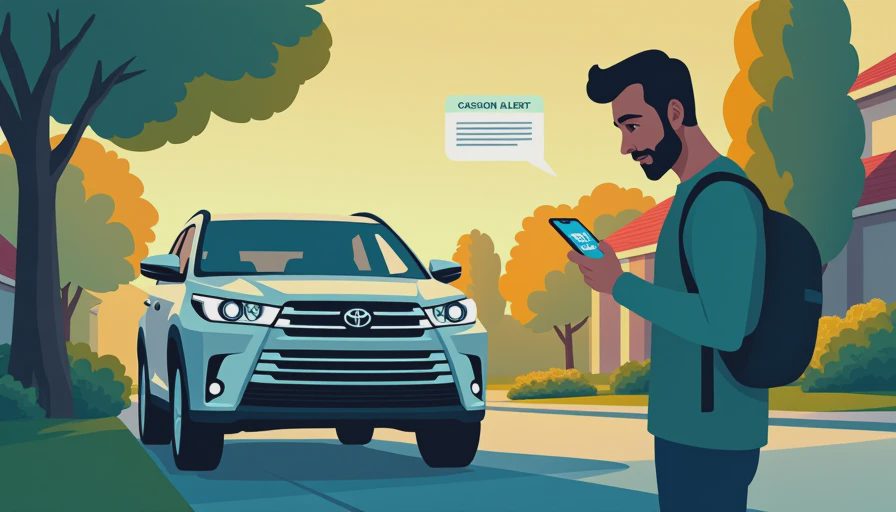
For a serious **toyota highlander recall 2026 check**, use the VIN, not just the vehicle name. Go to NHTSA's recall lookup tool and enter the 17-character VIN exactly. Then check Toyota's recall portal for the same VIN. If both systems show an open recall, that is your action point. If one shows nothing and the other shows a campaign, save screenshots and call a Toyota dealer service department with your VIN in hand.
The records that matter most are the recall number, the defect description, the remedy, and the owner-notification schedule. NHTSA recalls typically show a campaign number and basic defect summary. Toyota will usually list whether parts are available and whether interim letters were mailed before a final fix was ready. If parts are delayed, ask the dealer to note your concern in writing and request to be contacted when remedy inventory arrives.
Also check whether your Highlander has completed recalls in its history. A used vehicle can carry an open safety recall for months or years if a prior owner never scheduled the repair. Dealers generally perform recall work at no charge, but only for confirmed covered vehicles and official safety campaigns.
How to read the filing without getting lost in legal language
Most owners do not need engineering credentials to understand a recall notice, but they do need a method. Filing number, exact range, three concrete steps: identify the affected component, understand the consequence, and confirm the remedy. That is how I read every bulletin.
If a notice says a component can crack, detach, short circuit, or fail to deploy, focus on the consequence line. Does it say increased crash risk? Does it say injury risk in a collision? Does it describe stalling, reduced braking support, or a fire hazard? Those are the facts that matter. Marketing language does not matter. Vague reassurance does not matter.
Then look at the remedy. A real recall fix is usually an inspection, replacement, software update, or revised component installation performed free of charge. If your **toyota highlander recall 2026 check** turns up a campaign with an interim remedy only, ask whether Toyota recommends limiting use, parking outside, or taking any temporary precautions until the final repair is available.
What owners should do right now if a recall appears
If you own one of these vehicles, this week's task is simple. Run the VIN lookup, save the results, and schedule service if an open recall appears. If the issue involves airbags, braking, steering, fuel leaks, or fire risk, do not put it off. A free repair is still a safety repair, and delay helps no one.
Here is a practical action box:
- Write down the full VIN from the windshield or registration.
- Check NHTSA and Toyota recall pages the same day.
- Call a Toyota dealer and ask whether parts are in stock.
- Ask for the recall number and repair estimate in writing, even if the cost is zero.
- Keep your repair order when the work is complete.
If the dealer cannot confirm parts availability, ask to be placed on the contact list and set a calendar reminder to check again in one to two weeks. If you bought the vehicle used from CarMax, Carvana, a local lot, or a private seller, do the same process. Open safety recalls follow the vehicle, not the owner.
Insurance, trade-in value, and why quick action still pays off
A confirmed recall does not automatically raise your auto insurance premium, but unresolved safety issues can complicate ownership in other ways. If you are comparing rates, insurers like Geico, Progressive, State Farm, and Allstate generally focus on driving history, garaging, vehicle type, and claims patterns rather than whether a recall notice exists. Still, documented repairs help preserve value and reduce headaches if you later file a claim involving the affected system.
That matters at trade-in time too. A dealer appraising your Highlander may not slash thousands off purely for an open recall, but unresolved safety work can slow a deal or create leverage against you. Completing no-charge recall repairs is one of the easiest ways to protect resale value.
If you are already reviewing your vehicle costs, this is also a smart moment to shop insurance quotes. Many drivers save $300 to $900 per year by comparing carriers, adjusting deductibles, or bundling home and auto coverage. Handle the recall first, then compare quotes with a clean maintenance and repair record in hand.
Bottom line on the Toyota Highlander recall 2026 check
The right **toyota highlander recall 2026 check** is not complicated, but it does require discipline. Use the VIN. Use official databases. Read the defect summary closely. Confirm the remedy. Save every record. That is the difference between informed ownership and guessing.
As a former safety investigator, my advice is straightforward: trust filings over chatter and documented remedies over reassurance. Here's what the data shows. Here's what owners should do. Verify your Highlander's VIN today, schedule any open recall promptly, and keep proof of completion. Then, while you are tightening up your household vehicle costs, take five minutes to compare auto insurance quotes and see whether a better rate is on the table.




No notes on this sheet yet.