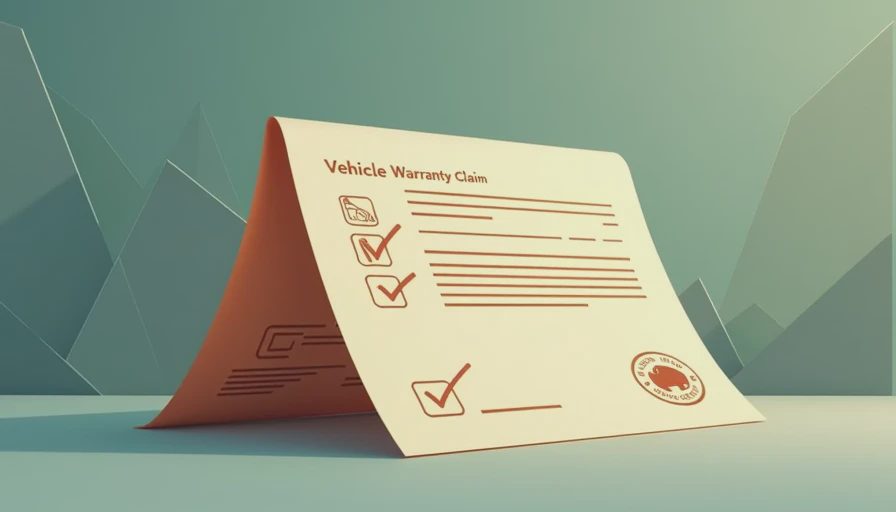
A lemon law demand letter california vehicle owners can use is more than an angry message to a manufacturer. It is a structured record of the defect, the repair history, the warranty coverage, and the remedy you are requesting. In California, those details can determine whether your complaint receives serious attention or gets routed into another customer-service queue. The evidence comes first. The demand comes second.
California's Song-Beverly Consumer Warranty Act can require a manufacturer to repurchase or replace a qualifying vehicle when it cannot repair a warranty-covered problem after a reasonable number of attempts. The law is fact-specific. Mileage, time in service, repair opportunities, days out of service, and the seriousness of the defect all matter. A carefully prepared letter helps put those facts in one place.
When a California Lemon Law Claim May Apply
A vehicle does not become a legal lemon simply because it has been inconvenient or expensive. The defect generally must be covered by the manufacturer's or another applicable warranty, substantially impair the vehicle's use, value, or safety, and remain unresolved after reasonable repair opportunities. A braking problem, recurring loss of power, steering defect, transmission failure, or persistent electrical fault can carry more weight than a minor trim rattle, although the complete record controls.
The vehicle also must fit the coverage rules. New vehicles are the most familiar examples, but California protections can sometimes apply to leased vehicles and used vehicles sold with a manufacturer's warranty still in effect. Commercial vehicles have additional requirements. A vehicle purchased outside California can raise a separate jurisdiction question, even if it is now driven in the state.
California does not publish one universal repair-attempt number that automatically wins every case. The familiar phrase “reasonable number of attempts” must be evaluated against the defect and circumstances. A serious safety issue might justify stronger action after fewer attempts than a minor intermittent complaint. That is why a demand letter should describe consequences, not just count visits.

Build the Evidence Before Writing the Letter
Start with a repair chronology. For every visit, record the date, mileage, dealership, complaint, diagnosis, parts replaced, software updates, and date of return. Keep the repair order even if it says “could not duplicate.” That phrase still proves you reported the issue and gave the manufacturer an opportunity to investigate. Note whether the vehicle was towed, driven in limp mode, or returned with the same symptom.
Gather the sales contract, warranty booklet, finance or lease documents, registration, recall notices, photographs, dashboard warnings, roadside-assistance records, and emails with the dealer or manufacturer. A simple folder with files named by date is more useful than a pile of screenshots. If a family member experienced a stall or loss of braking, write down what happened while the memory is fresh.
Do not alter the vehicle or authorize a major repair from an independent shop without considering the warranty consequences. You can seek a second opinion, but preserve replaced parts and invoices. Manufacturer records are important, yet your own contemporaneous notes can reveal gaps between what you reported and what appears on a repair order.
What a Lemon Law Demand Letter California Should Include
A lemon law demand letter california consumers send should identify the owner, vehicle identification number, year, make, model, purchase or lease date, current mileage, and selling or repairing dealership. State whether the vehicle is financed or leased. Give the manufacturer enough information to locate the warranty file without forcing it to guess which vehicle is involved.
Next, describe the defect in plain language. “The engine stalled twice at highway speed, and the warning returned after the fuel-pump replacement” is stronger than “vehicle unsafe.” Follow that description with a dated repair history. Include the number of repair attempts, the number of days the vehicle was unavailable, and any continuing symptoms. Attach copies, not irreplaceable originals.
The letter should state the remedy you seek. Depending on the facts, that could be a repurchase or a replacement vehicle. A repurchase may involve the down payment, qualifying payments, registration charges, and other amounts allowed by law, while a mileage offset can reduce the recovery for use before the first repair attempt. Do not promise a precise dollar figure unless the calculation is supported by your records.
Sending the Demand and Creating a Reliable Record
Send the letter to the manufacturer's designated California address for warranty or lemon law disputes, using the address provided in the warranty materials or official correspondence. Use a delivery method that creates proof of receipt, and retain the letter, attachments, tracking information, and signed delivery record. An email can supplement the paper record, but do not rely on an informal dealer conversation as your only notice.
Keep the tone factual. A demand letter is not the place for threats, accusations of fraud, or a long account of every frustrating phone call. Identify the requested response date as a reasonable business deadline, then explain that you are preserving your rights if the manufacturer does not resolve the matter. California law can allow attorney's fees for a successful consumer claim, but that does not mean every dispute is automatically paid or that hiring a lawyer is unnecessary.
The phrase lemon law demand letter california is often used to describe a pre-lawsuit letter, but California's statute does not turn one specific letter format into a guaranteed claim. Some manufacturers offer informal dispute programs, and warranty documents may describe procedures. Read those terms carefully before signing a release or accepting a settlement.
Common Mistakes That Weaken an Otherwise Good Claim
The first mistake is exaggeration. Calling every inconvenience a safety defect can undermine a credible account. Use the exact symptom, location, warning message, and driving condition. The second is leaving out unsuccessful repairs. A “no problem found” visit can still be important evidence, particularly when the symptom later returns.
Another error is accepting a verbal promise that the dealership will “take care of it.” Ask for the promise in writing and continue preserving repair orders. Do not stop making required finance or lease payments while a dispute is pending unless a qualified attorney gives you specific advice. Repossession or credit damage can create a second problem unrelated to the warranty dispute.
Finally, do not sign a settlement, trade-in agreement, confidentiality provision, or release without understanding what claims disappear. A discounted replacement may sound attractive, but taxes, fees, negative equity, financing, and future warranty coverage can change the real value.
What Owners Should Do Next
If your vehicle has a recurring warranty defect, take three concrete steps this week. First, obtain every repair order from the dealer and compare the written complaint with what you actually reported. Second, build a one-page timeline showing dates, mileage, repairs, and days out of service. Third, review the warranty and have a California lemon law attorney evaluate the record before you send a final demand if the manufacturer has already denied relief.
A strong letter does not guarantee a buyback. It does something more practical: it gives the manufacturer a clear opportunity to resolve a documented problem and gives you an organized record if the dispute continues. For many owners, a lawyer can prepare the lemon law demand letter california facts require, communicate with the manufacturer, and assess whether a proposed settlement is fair. Here's what the data shows. Here's what owners should do.



No notes on this sheet yet.