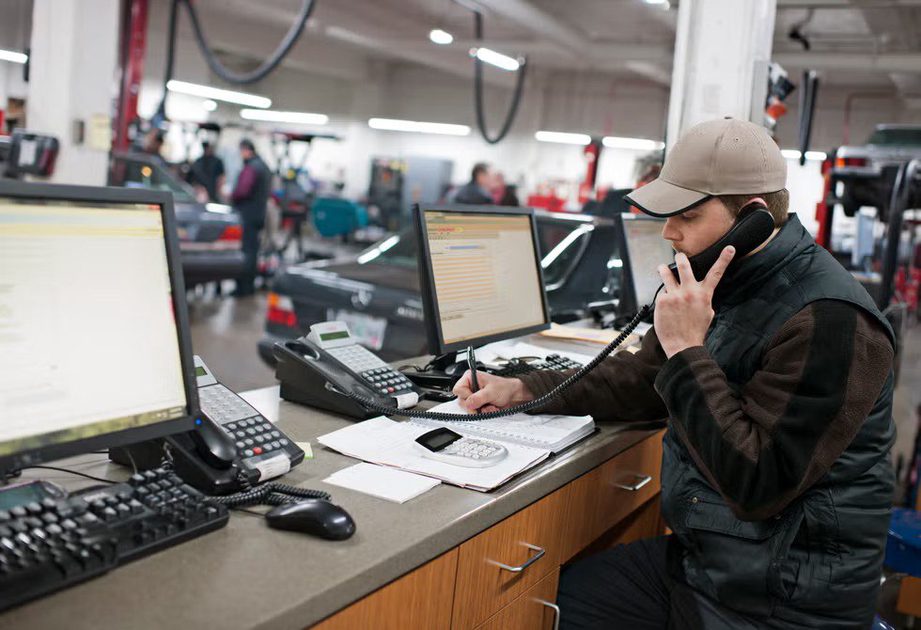
Few issues generate as much bipartisan consensus as the right to repair one's own vehicle and to have independent shops access the diagnostic data modern cars produce. A new survey commissioned by the CAR Coalition — representing independent parts manufacturers, insurers, and auto retailers — found that 85 percent of Trump voters and 86 percent of Harris voters support the REPAIR Act (H.R. 1566/S. 1379).
The legislation would mandate that vehicle owners and independent repair facilities have full access to onboard trouble codes and other diagnostic information, giving them genuine "choices for the maintenance, service, and repair of such vehicles." Having previously advanced in the Senate, the REPAIR Act is now expected to receive a full House Energy and Commerce Committee markup this spring, potentially as early as March 25.
Independent repair shops and aftermarket parts suppliers back the legislation. Automakers, seeking to preserve their dealerships' service revenue, oppose it — and have put forward their own competing proposal called the Safe Repair Act.
"Yes, you're correct—our association opposes [the REPAIR] legislation," said Brian Weiss, senior vice president at the Auto Alliance, which lobbies on behalf of carmakers. Audrey LaForest, director of communications for the Alliance for Automotive Innovation, said in a statement, "Automakers make repair instructions, tools, and diagnostic codes easily available to dealers and independent repairers. That's one of the reasons why more than 75 percent of post-warranty vehicle work today happens at independent repair shops."
The National Auto Dealers Association (NADA) supports that position, pointing to a 2023 agreement between automakers and right-to-repair advocates that it says already ensures access. "Today, the information independent shops need to repair vehicles is readily available from auto and truck manufacturers, as well as an effective resolution panel to address situations in which an independent repair facility believes a manufacturer has failed to provide required service information or tools."
Critics including the CAR Coalition push back on that framing. They argue that if dealers get priority access to vehicle data — including predictive failure alerts — they can contact owners first and funnel them into dealership service bays before an independent shop ever gets a chance. The independent shop has to keep pace by spending heavily on expensive diagnostic scanners and ongoing software subscriptions.
Dustin Brown, co-owner of Brown's Automotive in Albuquerque, New Mexico — a 47-employee shop — put it plainly: "Simple repairs like doing brakes or changing tires now requires access to the computer. And if we don't have access to the tools we need to plug in, a lot of time and resources are wasted."
Mark Foppe of AutoTech Auto Center in O'Fallon, Missouri, offered similar frustration: "We get 400 cars a month in here because people know us. But the only thing crazier than health care is auto repair. A front-end alignment that used to cost less than $100 is now several hundred, because it requires accessing the vehicle's computer with a scanner that costs thousands of dollars and needs regular software updates costing hundreds. They have you by the throat, and they take advantage of it."
Even routine repairs now carry a digital layer. Replacing windshield wipers on some vehicles requires a dealer-enabled "service mode." A battery swap may need an ECM reset. A shop recently replaced a tailgate motor only to find programming it required a dealer visit.
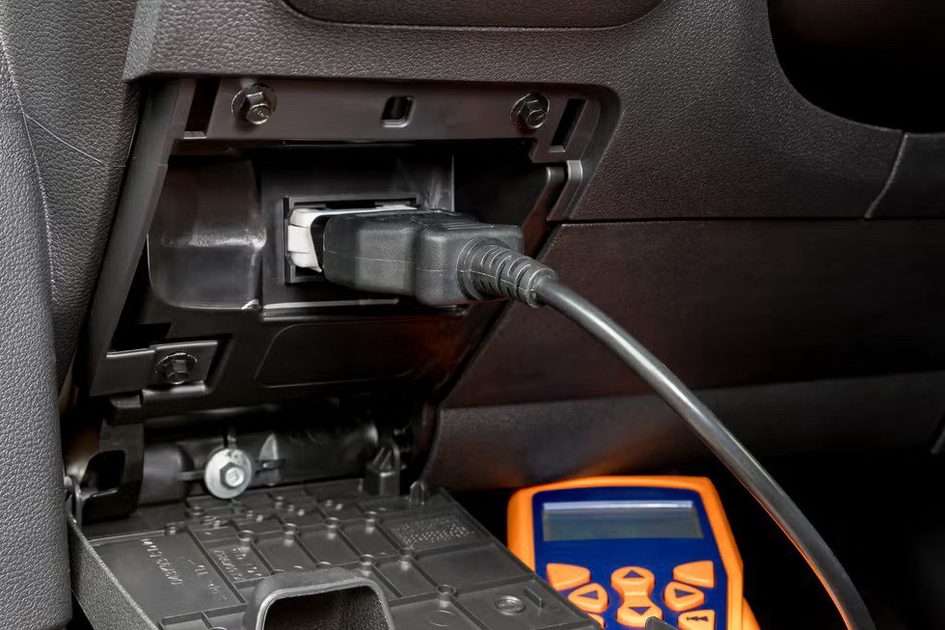
That brings up a related frustration: why don't cars simply display fault codes on the dashboard? Consumer-grade OBD-II readers ($25 to $40) are often confusing and inadequate. The industry argues that the codes themselves — such as P0456 — don't specify which component has failed or what should be done, and that they might lead inexperienced owners to chase phantom problems by replacing unrelated parts. But most non-mechanics don't attempt self-diagnosis anyway — they call a shop.
Right-to-repair advocacy extends well beyond vehicles into electronics and other consumer goods. Massachusetts established an auto repair law in 2012, expanded in 2020 to cover telematics, and has since inspired similar efforts. A 2023 California law requires manufacturers to support repair for seven years on products priced above $100 and three years on those below. New York now requires electronics manufacturers to supply repair tools and parts for products used in the state after July 1, 2023. Colorado has extended right-to-repair protections to agricultural equipment.
The legislative trend is clear: repair rights are popular, and more jurisdictions are passing them. The federal REPAIR Act is on that same trajectory.





No notes on this sheet yet.