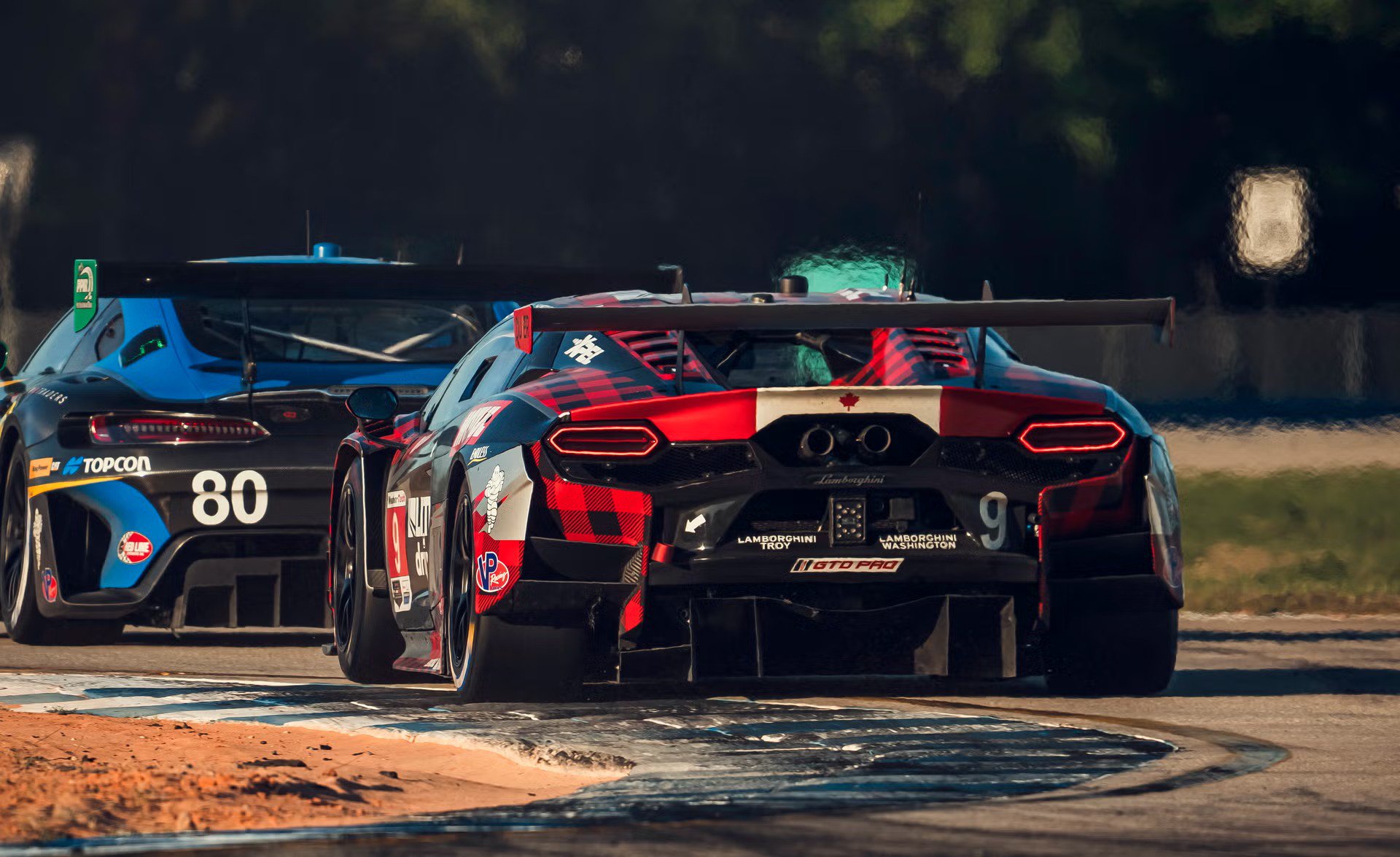
When Ferruccio Lamborghini founded his company in 1963, racing was simply not on the agenda. Unlike rival Ferrari, Lamborghini felt no need to validate his cars through motorsport competition, preferring to let the road cars speak for themselves through their performance and dramatic styling. But as current CEO Stephan Winkelmann told media gathered at this year's 12 Hours of Sebring, that philosophy has evolved substantially. Racing is now central to the Lamborghini brand — a point underscored by the competition debut of the new Temerario GT3 in IMSA's marquee endurance event at the historic Sebring International Raceway.
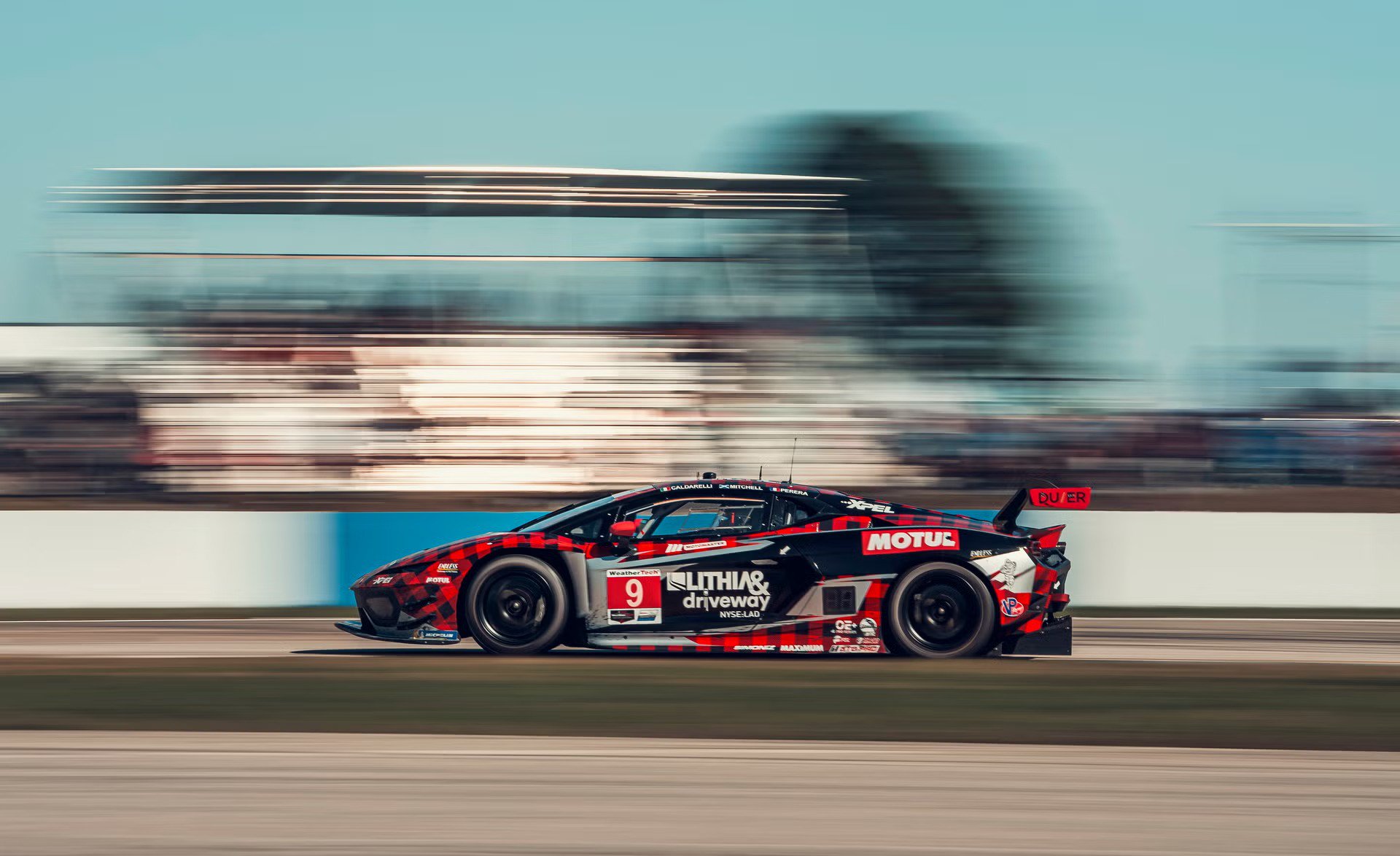
"We are all very excited about this race and about how this is going to work out," Winkelmann said during the opening stages of the 12-hour event. The Temerario takes over from the Huracán as Lamborghini's GT3 weapon, campaigned in IMSA by Canadian outfit Pfaff Motorsports with extensive backing from Lamborghini's own Squadra Corse racing division.
Lamborghini's motorsport involvement in the 20th century amounted to occasional appearances, but the brand committed fully to racing in 2009 with the launch of its one-make Super Trofeo series — first using the Gallardo, then the Huracán, which also gave rise to a factory-supported GT3 car developed in partnership with Dallara. Now, armed with more than a decade of racing experience, Lamborghini has built the Temerario GT3 almost entirely in-house, controlling virtually all aspects of design and production.
"We have, in comparison to more than 10 years ago, more stability in the Squadra Corse, so we have a team which is able to face these challenges [of developing the car in-house]," Winkelmann said. Alongside the new GT3 program, a next-generation Super Trofeo racer is being prepared for its 2027 track debut.
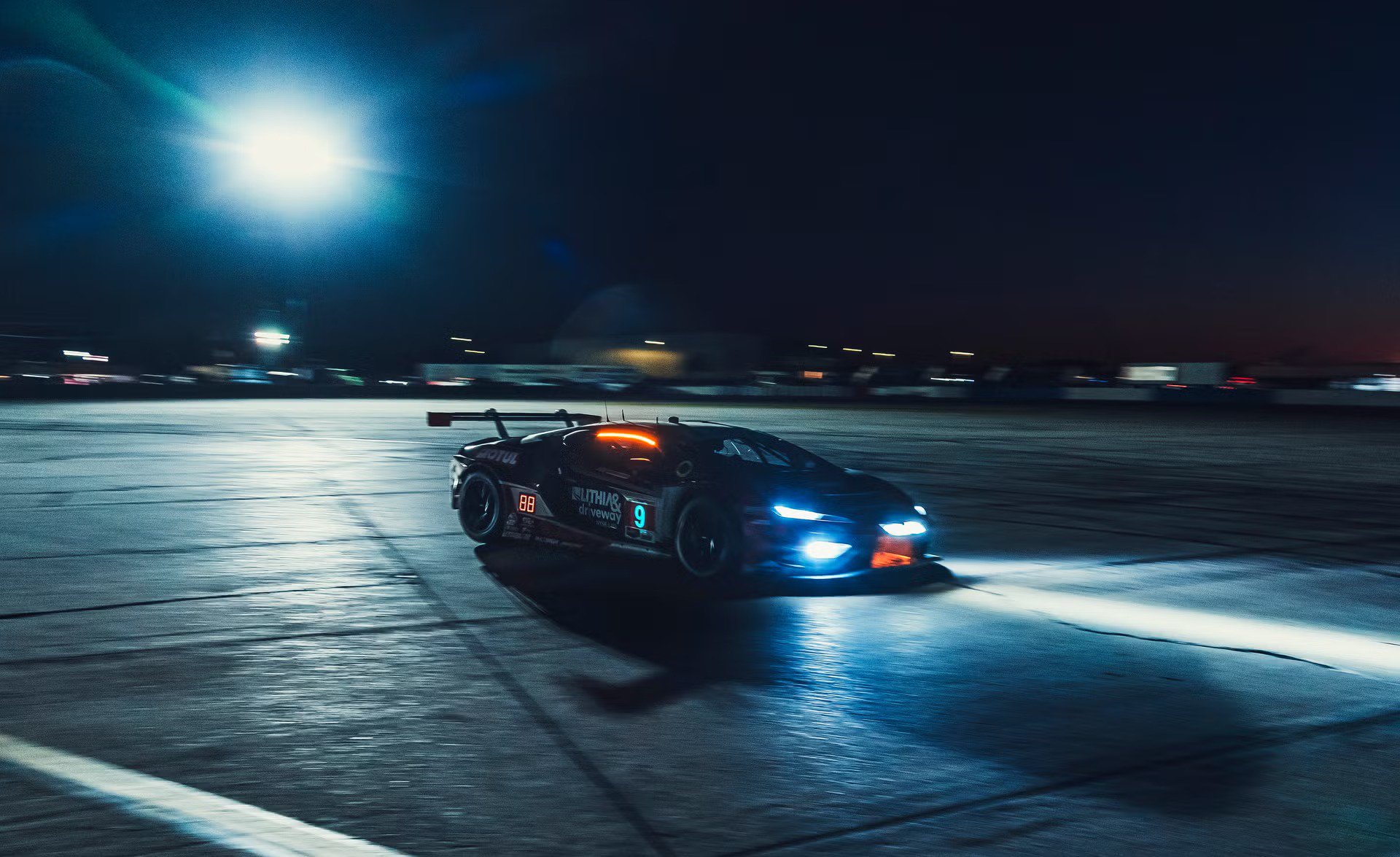
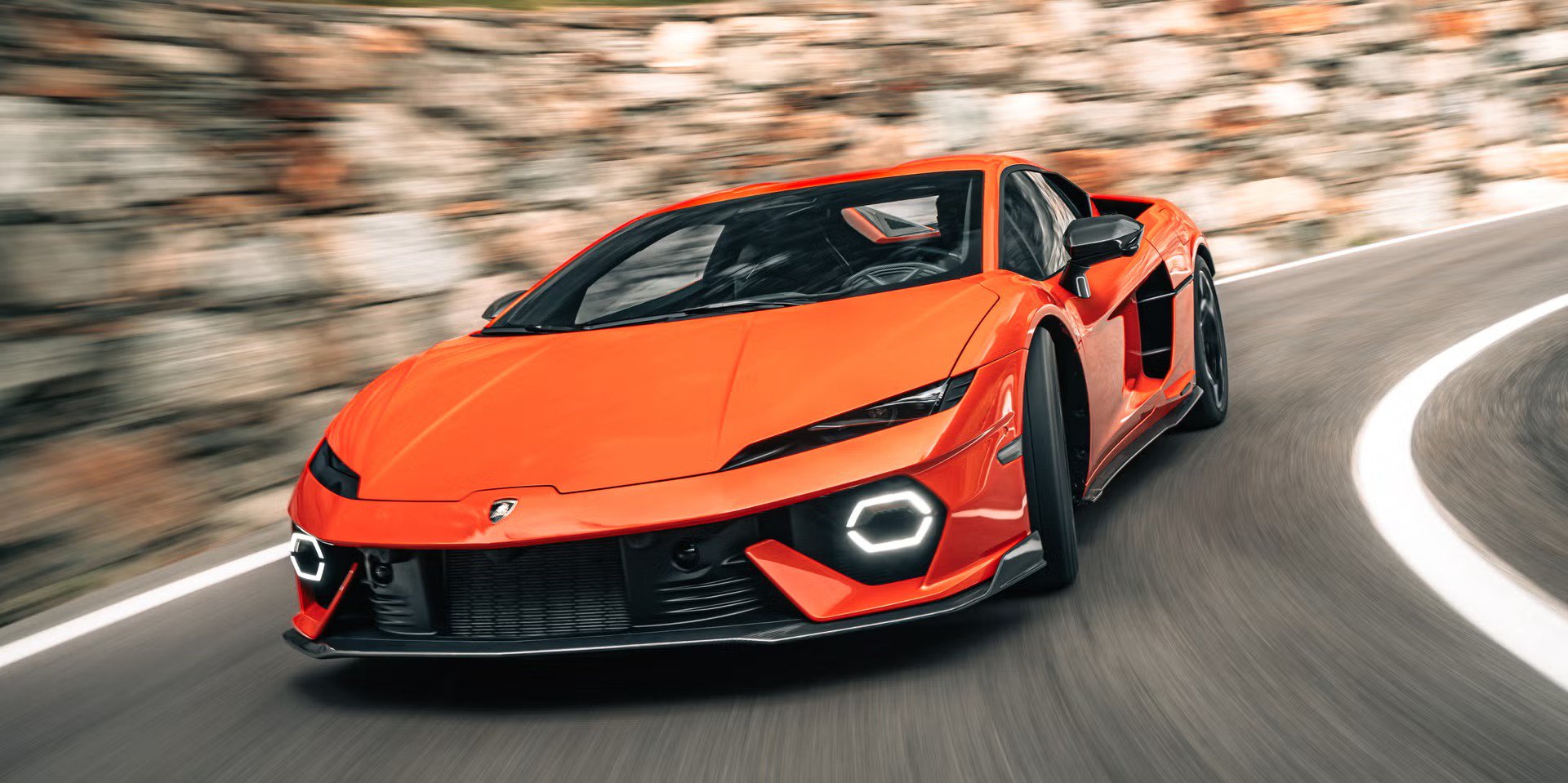
GT3 regulations continue to push race cars further from their production car roots, and the Temerario illustrates this well. While the road-going Temerario's hybrid V-8 uses three electric motors for a combined 907 horsepower, the GT3 version is restricted to internal combustion alone, producing approximately 540 horsepower — a deliberate cost-control measure designed to keep the class accessible for manufacturers and customer teams.
The GT3 car also runs smaller turbochargers than the road car to improve low-rpm responsiveness. "With the hybrid system, you always have the possibility in low revs to use the electric motor for first acceleration, and then the turbo with the combustion engine is doing the rest," a Lamborghini engineer explained to us. "This we do not have in the GT3, and therefore we had to adapt."
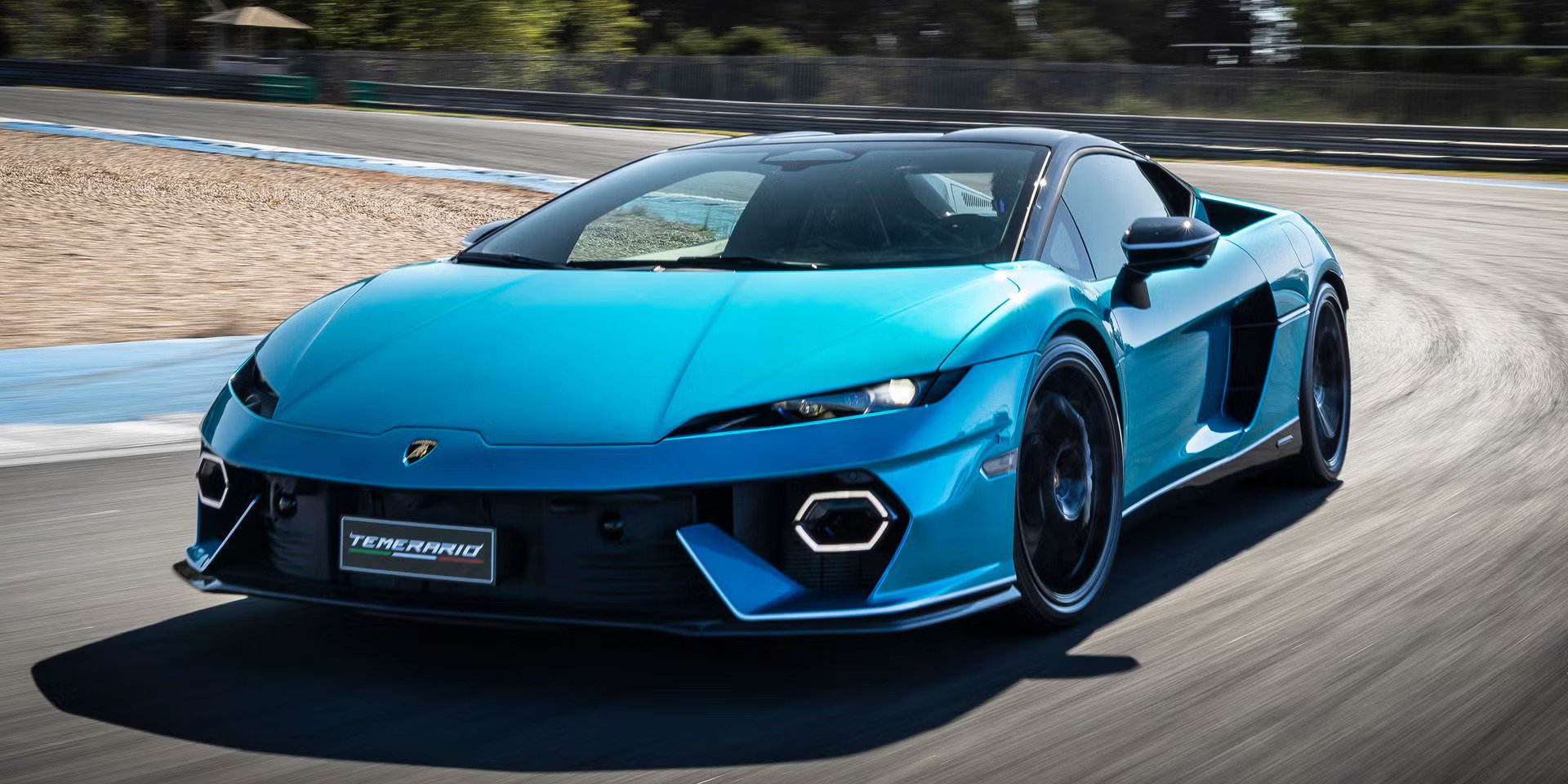
Despite the reduced parts commonality between road car and race car, Lamborghini views motorsport as genuinely useful development work. "Here, it's a lot about materials, it's about performance, but also durability of the materials," Winkelmann said. The underlying V-8 architecture is shared, allowing durability testing while keeping team costs manageable. "If we are always increasing prices for the car, it will be very difficult for our customers to run GT3 or to compete," the engineer told us. "Therefore, this is very important to have a road car base which is easy to adapt for a GT3 car."
The GT3 class offers something the GTP prototype category cannot. In 2024 and 2025, Lamborghini also competed in IMSA's top-tier GTP class with its SC63 prototype, a purpose-built hybrid race car with radical bodywork that bears little resemblance to any road vehicle. That program has not returned for 2026, with Lamborghini redirecting its full attention to the Temerario GT3.
"GT3 was always our backbone," Winkelmann said. The category's appeal to Lamborghini lies in visibility — a GT3 car looks like the supercar fans recognize, which no GTP prototype can replicate. "[A GT3 car is] based on the supercar which you recognize immediately, which is very similar to the street-legal car," he said.
The "win on Sunday, sell on Monday" rationale that has driven so much motorsport involvement from automakers doesn't quite fit Lamborghini's reality — the brand's road cars have waitlists that speak for themselves. Even so, racing continues to serve the brand by keeping Lamborghini in front of enthusiasts, whether through hardcore track-focused road cars like the Huracán STO or race-inspired limited editions like the Huracán Evo GT Celebration.
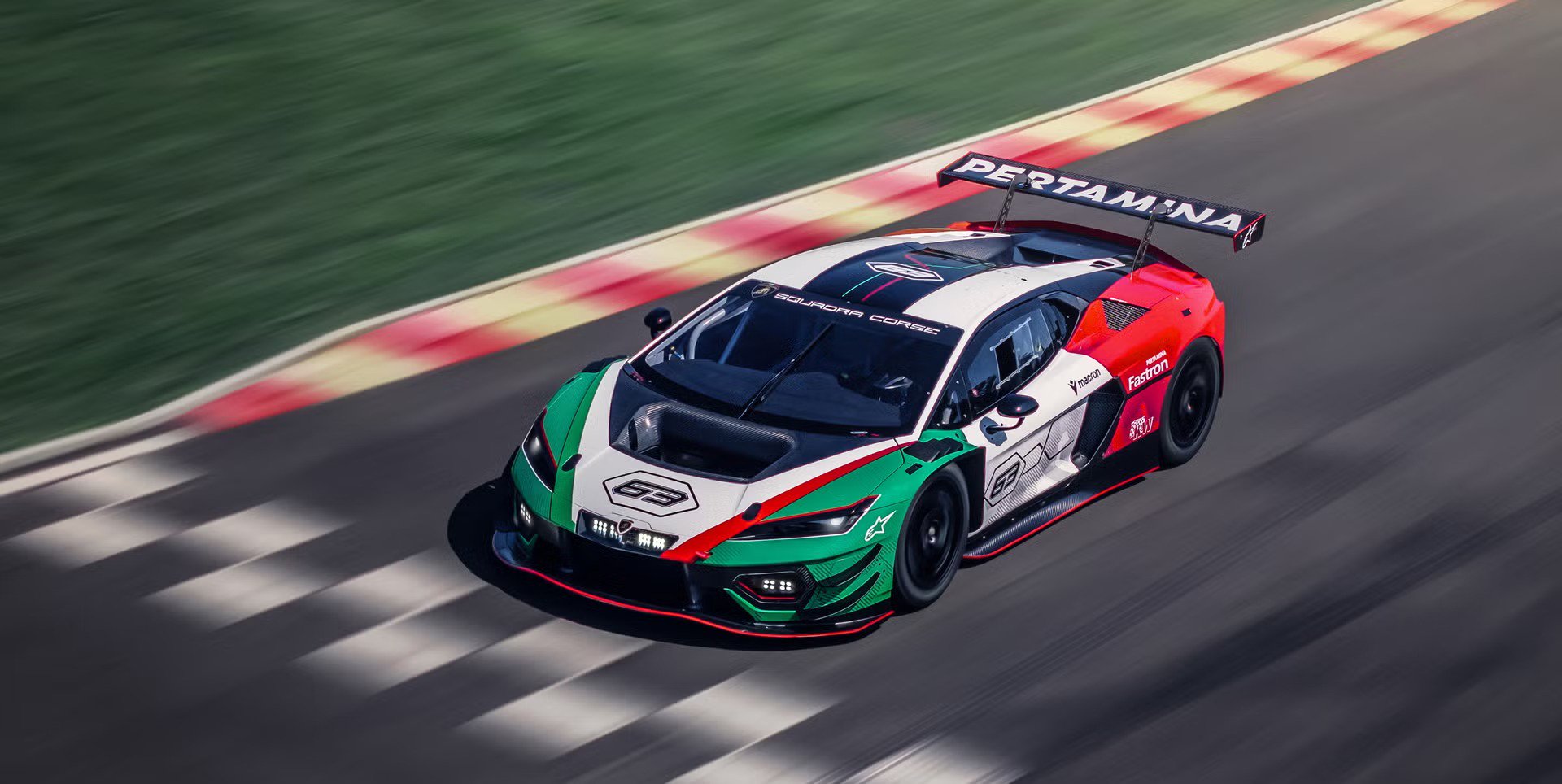
Winkelmann had modest expectations going into the Temerario's first race. "We are not expecting big results, but if we come to the end of the race, it's already a big achievement for the first race," he said before the start. The Temerario delivered: it ran the full distance with only minor issues, completing 320 laps and finishing 10th in class.
Not a podium, but a meaningful debut for a new car that Lamborghini intends to be the foundation of its racing program for years ahead.