The fast and furious eclipse remains one of the most recognizable tuner cars in movie history. Brian O'Conner's bright green Mitsubishi Eclipse helped introduce a generation of viewers to modified imports, but screen fame does not automatically make a used example safe, original, or valuable. If you are considering a replica, a surviving film car, or simply a modified second-generation Eclipse, the important questions involve structure, documentation, parts quality, and insurance.
The car associated with the first film was a second-generation Mitsubishi Eclipse, generally identified as a 1995 GS coupe. The movie appearance included a green paint scheme, graphics, a large rear wing, custom wheels, a body kit, and underbody lighting. Those visual details created the legend. They did not turn every ordinary Eclipse into a collector vehicle, and they certainly do not prove that a seller's car was used during filming.
What the movie car actually tells you
A movie vehicle is usually a working prop, not a factory performance package. Productions can use several similar cars for driving scenes, close-ups, stunts, and background shots. Some cars receive cosmetic work, while others are modified only enough to look correct from the camera angle. That is why claims surrounding a fast and furious eclipse deserve documents rather than excitement.
The original Mitsubishi platform also matters. Second-generation Eclipse models were sold with different engines, transmissions, and trim levels. A GS, RS, GS-T, or GSX can have very different equipment and market values. Turbocharged and all-wheel-drive versions are particularly vulnerable to questionable swaps, hard launches, poor cooling systems, and improvised wiring. A green coupe with decals is not evidence of a turbo engine or factory all-wheel drive.
Ask the seller for a title history, purchase records, restoration invoices, and any production or auction documentation. Photographs from a film set are helpful, but they do not establish an unbroken chain of ownership. A reputable seller should explain exactly which parts are original, which are replicas, and whether the car was rebuilt after collision damage.
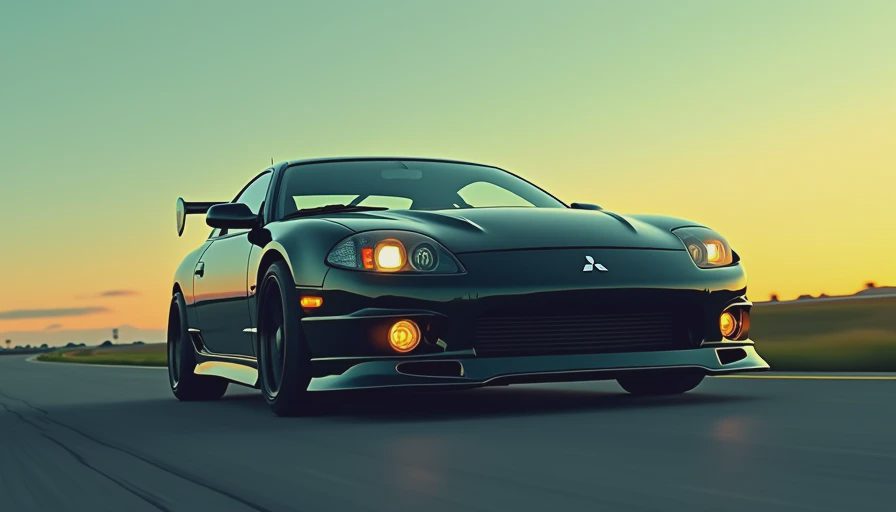
Inspect the structure before admiring the graphics
The greatest risk with an older fast and furious eclipse is not faded paint. It is hidden structural damage. Lift the vehicle and inspect the front frame rails, floor pans, rocker panels, suspension mounting points, and rear subframe area for corrosion, crushed metal, fresh undercoating, or welds that do not match the surrounding factory seams.
Bring a flashlight and look behind the body kit. Fiberglass panels can hide rust or poorly repaired collision damage. Check door gaps, hood alignment, windshield fit, and trunk seals. Uneven gaps are not conclusive proof of a crash, but several inconsistencies deserve a professional inspection. A pre-purchase examination by a technician familiar with older Mitsubishi vehicles can cost roughly $150 to $300 and is cheaper than correcting a bad shell.
The suspension deserves equal attention. Lowering springs, coilovers, spacers, oversized wheels, and altered alignment settings can change steering response and braking stability. Look for leaking dampers, uneven tire wear, cracked mounts, and tires rubbing the inner fenders. A car that looks dramatic while parked can become difficult to control on a wet road if the modifications were installed without proper geometry checks.
Engine, wiring, and fire risk
Under the hood, compare the engine identification and equipment with the title and seller's description. A swap is not automatically a problem, but it should be documented and professionally installed. Examine fuel lines, oil leaks, coolant hoses, battery cables, grounds, intercooler plumbing, and exhaust clearance. Aftermarket fuel components should be secured away from heat and moving parts.
The fast and furious eclipse image often includes elaborate lighting and audio equipment. These accessories can create real electrical hazards when installers use undersized wires, loose connections, or poorly protected circuits. Look for an appropriate fuse near added power feeds, protected wire pass-throughs, and connectors that are not exposed to water. Burning-plastic odor, melted insulation, or repeated blown fuses is a reason to stop the inspection.
Start the engine cold if possible. Listen for piston slap, rattling accessories, unstable idle, and smoke from the exhaust. During a road test, check clutch engagement, transmission noise, boost behavior on turbo models, braking straightness, and temperature stability. Do not accept a seller's claim that a warning light is harmless without scanning the vehicle and identifying the code.
How to separate a replica from a collector claim
A replica can be enjoyable and honestly represented. In fact, a well-built replica may be a better driving purchase than an unverified film claim. The problem begins when cosmetic resemblance is presented as documented provenance. Search the vehicle identification number through title records, insurance history, and available auction records. Confirm that the VIN plate, door label, and paperwork are consistent; never buy a vehicle with an altered, missing, or suspicious identification plate.
Ask for dated photographs showing the car before restoration. Compare body details, wheel design, interior components, and engine-bay features with known production photographs, but remember that movie cars can change between scenes. A certificate made by a private enthusiast is not the same as factory documentation or a traceable production record.
Pricing should follow condition and evidence. A clean, mechanically sorted Eclipse with service records may justify a premium over a neglected project. Decals, a wing, and neon lights alone should not add thousands of dollars. If a seller is asking collector-car money, request collector-level proof.

Insurance and daily-driving questions
Tell your insurer about major modifications before a loss occurs. Standard policies generally cover a vehicle according to their terms, but custom equipment, swapped engines, wheels, suspension parts, and specialized paint may have limited coverage unless specifically documented or endorsed. A stated-value or agreed-value policy can work differently from ordinary actual-cash-value coverage, so understand the valuation method before signing.
Save receipts and photographs for every substantial upgrade. A $4,000 engine build, $2,000 wheel and tire package, or custom paint job can be difficult to prove after theft or a collision without records. Ask whether the car qualifies for classic or collector coverage. Those policies often restrict mileage, storage, drivers, or daily use, which can make them unsuitable for a commuter.
A fast and furious eclipse replica used for shows may need different coverage from one driven to work every day. Disclose the intended use, overnight parking location, household drivers, and performance modifications. Comparing quotes from insurers that understand modified vehicles can prevent a cheap premium from becoming an expensive surprise.
What owners should do before buying
Start with the VIN, title, and a cold inspection. Next, have an independent technician examine the structure, braking system, suspension, engine, and wiring. Then price replacement parts before making an offer. Body-kit pieces and period-correct trim can be difficult to source, while ordinary mechanical components may be available through Mitsubishi specialists, salvage networks, or aftermarket suppliers.
Drive the car only after confirming that the brakes, tires, steering, and lights work correctly. Do not rely on a test drive as a substitute for a lift inspection. If the seller refuses an independent examination, walk away. The fast and furious eclipse is an entertaining piece of automotive culture, but nostalgia should never outrank basic vehicle safety.
Here's what the data shows: a movie-inspired appearance proves very little about a car's mechanical condition or history. Here's what owners should do: verify the identity, inspect the structure, document modifications, obtain suitable insurance, and pay for evidence rather than a story.

No notes on this sheet yet.