An old Lexus can be one of the more sensible ways to buy a used luxury vehicle, but its reputation for durability should not replace a proper inspection. Age changes the risk calculation. Rubber parts harden, electronics become expensive, and a maintenance history matters more than a shiny badge. If you are considering an old Lexus for commuting, family transportation, or a first luxury-car purchase, here is what the evidence and inspection process should tell you.
The central question is not whether every old Lexus is reliable. No vehicle earns that guarantee. The useful question is whether this specific car has been maintained, repaired after damage, and checked for open safety recalls. A $7,000 sedan with documented service can be a better purchase than a $12,000 example with a clean-looking interior and no records.
Which old Lexus models deserve attention?
Lexus built a strong reputation through Toyota-based engineering, conservative powertrains, and generally durable interiors. Models such as the ES 300, ES 350, RX 330, RX 350, IS 250, and LS 430 can offer comfortable transportation at prices far below their original cost. The best choices depend on your priorities, but simpler equipment is usually easier to own as a vehicle gets older.
An old Lexus ES is often the least dramatic ownership choice. It shares much of its mechanical architecture with the Toyota Camry, although suspension, electronics, and trim parts can still carry luxury-car pricing. An RX crossover provides easier entry and cargo access, but its extra weight, all-wheel-drive components, and larger wheels can raise repair costs. The LS offers exceptional comfort, yet air suspension, electronic features, and V8-related service can turn a bargain into a project.
The old Lexus IS deserves a closer inspection for accident repairs and hard use. Sport-sedan buyers sometimes drive these cars more aggressively, so check tire wear, brake condition, underbody damage, and evidence of aftermarket modifications. A performance image does not prove abuse, but it gives you another reason to examine the car rather than relying on a model reputation.
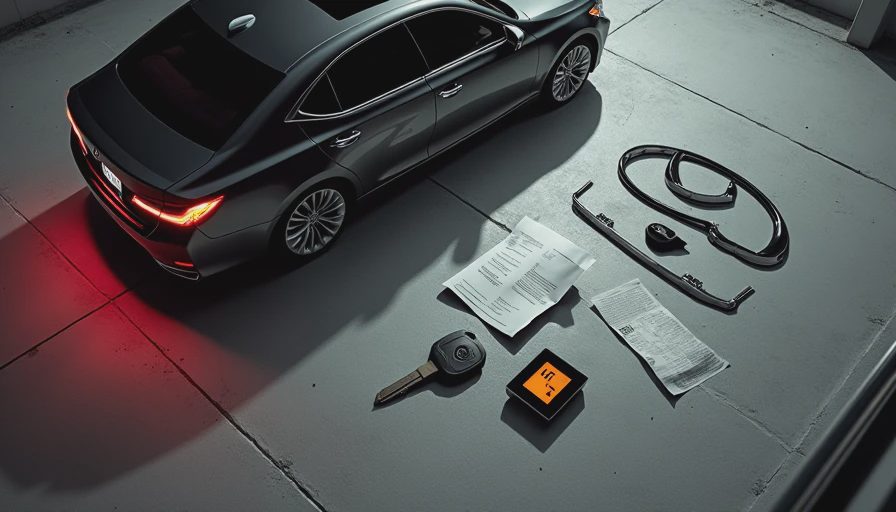
Safety checks before buying an old Lexus
Start with the vehicle identification number, not the seller's description. Enter the VIN into the NHTSA recall lookup tool and ask a Lexus dealer whether campaign repairs are complete. Recall repairs are generally performed at no charge by the manufacturer, but an older vehicle can still have an unresolved campaign. A recall listing does not automatically mean the vehicle is unsafe to drive that day; it does mean you should understand the defect and arrange the remedy promptly.
Inspect the tires for age, not only tread depth. A tire with adequate tread can still be unsuitable if its sidewalls are cracked or its production date is excessive. Look underneath for fluid leaks, bent suspension components, corrosion around brake lines, and poorly repaired collision damage. Confirm that the airbag warning light illuminates during startup and then goes out. If it never lights, someone may have removed the bulb; if it stays on, the restraint system needs diagnosis.
Take the car to an independent mechanic before money changes hands. Request a scan for diagnostic trouble codes, a brake inspection, a cooling-system pressure test, and a road test from cold start through highway speed. A pre-purchase inspection commonly costs about $100 to $250, a small expense compared with an engine, transmission, or hybrid-battery problem.
Here's what the data shows. Here's what owners should do: verify the VIN, document the inspection findings, and price the repairs before negotiating.
The maintenance records tell the real story
Service history should show more than oil changes. Look for evidence of transmission-fluid service where appropriate, coolant replacement, brake work, suspension repairs, battery replacement, and timing-belt service on engines that use a belt. A seller who says the car was “always maintained” but cannot identify a shop, date, or receipt has given you an assertion, not proof.
For an old Lexus, mileage is only one indicator. A 180,000-mile car driven regularly and serviced on schedule may be healthier than a 110,000-mile vehicle that sat outside for years. Long storage can produce battery failures, seized brake components, stale fuel problems, and deteriorated seals. Ask when the current owner bought it, how it was used, and why it is being sold. Answers should fit the condition and paperwork.
Watch for common aging costs: struts and control-arm bushings, alternators, starters, radiators, motor mounts, oxygen sensors, window regulators, and air-conditioning components. These are not automatic reasons to walk away. They are reasons to obtain a written estimate. On a luxury vehicle, a cluster of ordinary repairs can easily total $1,500 to $3,500 in one year.
Insurance and ownership costs
Insurance pricing for an old Lexus is based on more than purchase price. Insurers consider the model's repair cost, theft history, driver profile, location, mileage, coverage limits, and claims record. A low-value vehicle can still require costly parts, especially if it has specialized lighting, sensors, aluminum trim, or all-wheel-drive components.
Liability coverage pays for injuries or property damage you cause, subject to your policy limits. Collision coverage addresses damage to your vehicle from a crash, while comprehensive coverage generally addresses non-collision losses such as theft, hail, falling objects, or animal impacts. If the car is worth only a few thousand dollars, compare the annual premium and deductible with the vehicle's actual market value before selecting full coverage.
Do not cancel coverage simply because the car is old. If you finance it, the lender will usually require collision and comprehensive coverage. Even when the vehicle is paid off, strong liability limits protect your income and assets more effectively than choosing the minimum limits merely to reduce a monthly bill. Get quotes using the exact VIN after you shortlist a car; two similar Lexus models can produce different premiums.

How to evaluate the price
Use several sources rather than accepting a seller's number. Compare local listings with similar mileage, trim, title status, and maintenance history. A rebuilt title, missing service records, warning lights, or mismatched tires should reduce the price substantially, not just by a token amount. A clean title is not proof that a vehicle has never been damaged, so inspect body-panel gaps, paint texture, fasteners, and the spare-tire well.
Create a repair reserve before buying. For a reasonably maintained old Lexus, setting aside $1,000 to $2,000 for initial catch-up work is prudent. An older luxury SUV or flagship sedan may justify a larger reserve. If the purchase would consume every dollar available, the vehicle is too expensive regardless of its sale price.
A simple comparison helps. Car A costs $6,500 and needs tires, brakes, and a battery for another $1,600. Car B costs $8,500 but has recent tires, documented brake service, and a current inspection. The cheaper listing is not cheaper after the first month. Compare total first-year cost, not the number on the windshield.
What owners should do this week
If you already own an old Lexus, begin with the VIN and maintenance file. Check for open recalls, record the next oil and inspection date, and photograph any warning lights before clearing codes. Ask a qualified shop to inspect brakes, tires, steering, suspension, seat belts, airbags, and fluid leaks at least once a year.
If you are shopping, use this sequence:
- Obtain the VIN before arranging a viewing.
- Check NHTSA recall information and the vehicle history.
- Confirm title status and compare the VIN on the car with the documents.
- Inspect the vehicle cold, preferably in daylight.
- Drive it on city streets and at highway speed.
- Pay for an independent inspection.
- Get insurance quotes and a repair estimate before making an offer.
The right old Lexus can provide years of quiet, dependable transportation. The wrong one can turn deferred maintenance into a steady stream of expensive surprises. Treat the badge as a starting point, not a verdict. Read the records, inspect the safety systems, price the insurance, and keep a repair reserve. That method protects you far better than relying on reputation alone.



No notes on this sheet yet.