A goofy car can be memorable, practical, or simply strange enough to attract attention at every stoplight. For insurance purposes, however, the label matters less than the vehicle's title, equipment, use, and repair cost. A goofy car might be a tiny imported model, a three-wheeled commuter, a heavily modified sedan, or a novelty vehicle built for parades. Each creates questions that a standard online quote may not answer clearly.
I have spent years examining vehicle safety records and consumer complaints, and the same rule keeps appearing: unusual does not automatically mean unsafe or uninsurable. The risk comes from missing information. If an insurer does not understand what the vehicle is, how it is used, or where replacement parts come from, the quote can be inaccurate and a later claim can become difficult.
What Makes a Goofy Car Different to Insure?
Insurers price coverage by estimating the likelihood and cost of a loss. They consider driving history, location, annual mileage, vehicle age, theft exposure, safety equipment, and expected repair expenses. A goofy car can complicate several of those categories at once.
For example, a low-volume model may have limited crash-test information, unusual dimensions, or no direct match in an insurer's rating database. A custom vehicle may include a Ford engine, aftermarket suspension, fiberglass body panels, and a handmade interior. Those parts do not necessarily have the same replacement cost as factory equipment. A novelty car used in a commercial display, wedding rental, parade, or promotional event also has a different exposure from a vehicle used for commuting.
Before requesting a quote, gather the year, make, model, vehicle identification number, title status, engine details, curb weight if available, and a complete modification list. Photos of the exterior, cabin, engine bay, wheels, and safety equipment can help an underwriter understand what is actually being insured. Do not describe a goofy car as a standard model merely to make an online form accept it.

Which Coverage Does an Unusual Vehicle Need?
Liability coverage is the foundation. It pays for injuries or property damage you cause to another party, subject to the policy limits. Because an unusual vehicle can attract attention and may be driven in unfamiliar settings, carrying only the minimum required limit can leave a serious financial gap. Higher limits, often paired with an umbrella policy when eligible, deserve consideration.
Collision coverage addresses damage from a crash, while comprehensive coverage generally addresses non-crash losses such as theft, fire, vandalism, falling objects, or certain weather events. If the insurer cannot identify a reliable replacement value, ask how the vehicle will be valued after a total loss. A standard actual cash value settlement may not reflect a carefully documented restoration or rare equipment.
For a collectible or extensively customized vehicle, agreed value coverage can be more suitable if the carrier offers it and both sides accept the value in writing. Some specialty insurers, including Hagerty and Grundy, focus on collector and specialty vehicles, but eligibility often depends on storage, mileage, driver history, and intended use. A daily commuter policy may not fit a vehicle expected to appear at shows or events.
How Modifications Affect a Goofy Car Quote
Modifications are not automatically a problem. Undisclosed modifications are the problem. An insurer could question coverage if expensive wheels, a performance engine, a lift kit, custom electronics, or a replacement body was never reported. The policy language controls, so read the definitions for custom parts, equipment, and exclusions before paying the premium.
Create a modification inventory with purchase receipts, installation invoices, serial numbers, and dated photographs. If the vehicle has $8,000 in documented upgrades, do not assume a basic policy automatically covers that amount. Some policies provide a small built-in allowance for custom equipment; others require an endorsement or specialty contract. Ask whether parts are replaced with original equipment, comparable aftermarket components, or cash based on depreciated value.
Safety changes deserve special attention. A professionally installed seat-belt system, modern lighting, backup camera, or approved brake upgrade may improve usability, but a removed airbag, unsafe suspension alteration, or noncompliant lighting can create underwriting and inspection concerns. Never treat an insurer's willingness to quote a goofy car as proof that every modification is legal or safe.
A Practical Quote Comparison for Owners
Start with at least three sources: a mainstream carrier, an independent agent who can approach several companies, and a specialty insurer when the vehicle is rare, restored, or modified. Progressive, GEICO, State Farm, and similar large carriers may handle many nonstandard situations, but acceptance rules differ by state, model, and use. An independent agent can be useful when an automated form rejects the vehicle without explaining why.
Compare more than the monthly price. A $92 monthly policy with a $1,000 deductible and no stated custom-parts protection may be weaker than a $128 policy with a $500 deductible and documented equipment coverage. Confirm liability limits, collision and comprehensive deductibles, rental reimbursement, roadside assistance, glass treatment, storage requirements, mileage limits, and permissive-use rules.
Ask one direct question before binding coverage: “If this vehicle is totaled tomorrow, how will you calculate its value?” The answer should identify actual cash value, stated amount, or agreed value, along with the evidence required. Save the quote, declarations page, endorsements, and submitted photographs in a separate folder.
What to Do After a Crash or Theft
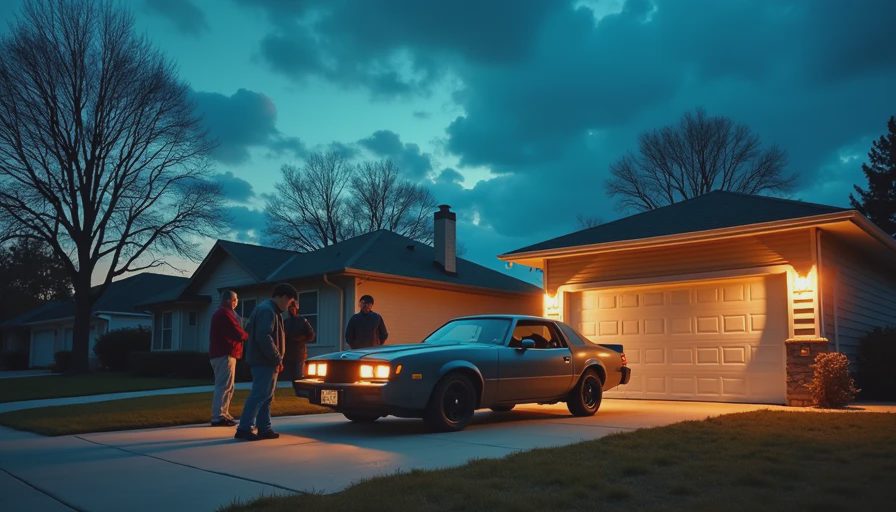
If a goofy car is involved in a collision, protect people first, call emergency services when needed, and document the scene from several angles. Photograph damage, road conditions, warning signs, nearby vehicles, and the vehicle identification plate if it is safe to do so. Do not authorize major repairs before the carrier has inspected the loss unless immediate work is necessary to prevent further damage.
Provide the adjuster with your modification inventory, receipts, appraisal, maintenance records, and photographs taken before the incident. Be precise about what happened and avoid guessing about speed, fault, or mechanical causes. If a theft occurs, file a police report promptly and supply keys, tracking information, title records, and a list of distinctive equipment.
If the settlement seems wrong, request the valuation report in writing. Review the comparable vehicles, mileage, condition adjustments, and omitted equipment. Your policy may provide an appraisal process or a formal dispute procedure. Keep every email and repair estimate. A clear paper trail is more useful than an angry phone call.
Buying a Goofy Car? Complete This Checklist
Before buying, run the VIN through the National Highway Traffic Safety Administration's recall lookup and verify that the title matches the seller's description. A recall search is not a complete safety inspection, and an old vehicle can have open repairs, previous flood damage, rebuilt status, or missing safety equipment that a database will not explain.
Have an independent mechanic inspect brakes, tires, steering, suspension, lighting, seat belts, and structural repairs. Confirm that replacement parts are obtainable and that at least one shop near you will work on the vehicle. Request an insurance quote using the exact VIN before handing over money. The premium, deductible, and coverage restrictions belong in the purchase budget alongside registration, fuel, and repairs.
A goofy car can be a good ownership decision when its risks are visible and priced honestly. It becomes a poor decision when the buyer relies on a vague internet description, skips the inspection, or assumes a cheap policy covers a costly build. Here's what the data shows. Here's what owners should do: identify the vehicle accurately, document every important component, and choose coverage based on realistic loss value rather than the lowest advertised rate.




No notes on this sheet yet.