I spent 15 years inside NHTSA investigating vehicle defects, and I want to be straight with you about autonomous driving technologies. The marketing hype has far outpaced the safety evidence, and while these systems are improving, the data shows significant gaps that every driver needs to understand. Here's what the data shows. Here's what owners should do.
What NHTSA Data Reveals About Current Autonomous Driving Technologies
NHTSA's Standing General Order requires automakers to report crashes involving advanced driver-assistance systems (ADAS) and autonomous driving technologies. As of early 2025, the agency has collected over 1,300 reports of crashes involving Level 2 systems like Tesla Autopilot, GM Super Cruise, and Ford BlueCruise. A striking detail: in about 40% of Tesla-reported crashes involving Autopilot, a forward collision warning was issued less than one second before impact, and in many cases the driver's hands were not detected on the wheel. Filing number PE-24-002 documents 956 crashes with front impacts, 19 of which were fatal. These are not failures of the technology alone—they are failures of the human-machine interface.
The key number to watch is the disengagement rate, or the frequency with which a human driver has to take over. Waymo's autonomous driving technologies report disengagements about once every 50,000 miles in San Francisco; Cruise's system, before its recent pause, was closer to once every 5,000 miles. That order-of-magnitude difference matters. When I read NHTSA's annual disengagement reports, what stands out is that no major manufacturer has yet achieved a rate low enough to safely remove the driver from the loop in all conditions. The data says: we are not there yet.

The Gap Between Marketing and Reality
Automakers love to call their systems "self-driving" or "Autopilot." But the Society of Automotive Engineers (SAE) defines six levels of automation, from 0 (none) to 5 (full). Every production system available today is Level 2: it can control steering and speed, but the driver must monitor the road and be ready to intervene at any moment. Yet marketing materials for autonomous driving technologies frequently blur the line. GM's Super Cruise works only on mapped, divided highways. Ford's BlueCruise, same. Tesla's "Full Self-Driving" package, despite its name, remains a Level 2 system under NHTSA's classification.
I've seen the crash scene photos from NHTSA investigations. In one case, a Tesla on Autopilot drove into a stationary fire truck on a highway because the system didn't recognize the truck's pattern as a hazard. The driver, who was watching a movie on his phone, never braked. Filing number EA-22-001. The system worked as designed—it's not designed to detect all obstacles. The problem is that the name "Autopilot" led the driver to believe he could disengage. That's the gap: the technology is capable, but not trustworthy enough to let you zone out. And the legal framework hasn't caught up. Under current law, the driver is always responsible, even when using ADAS.
What Owners Should Do Now
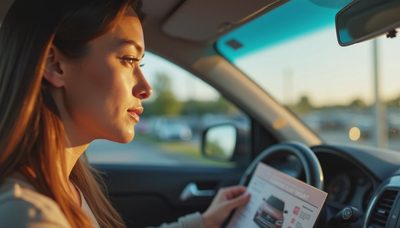
If you own a car with autonomous driving technologies, this week's task is to read your owner's manual for the specific limitations of your system. Yes, the manual. I know it's tedious, but it's the only place manufacturers honestly state the capabilities. For example:
- Tesla Autopilot does not stop for traffic lights or stop signs in its basic form (that requires the upgraded FSD package).
- GM Super Cruise requires a subscription after the initial trial period—and the system will not operate on roads it hasn't mapped.
- Ford BlueCruise currently works only on pre-mapped highways in the U.S. and Canada.
Next, develop a mental model of when your system will fail. Rain, snow, construction zones, direct sunlight on the cameras—these all degrade sensors. A NHTSA study from 2022 found that ADAS-related crashes are three times more likely in poor weather. So if you're driving through a downpour, turn the system off.
Finally, report any close calls to NHTSA. The agency's Vehicle Safety Hotline (888-327-4236) and the SaferCar app make it easy. Your report could trigger an investigation that forces a fix. Filing number, exact range, three concrete steps: read the manual, recognize environmental limits, file a report if something goes wrong.
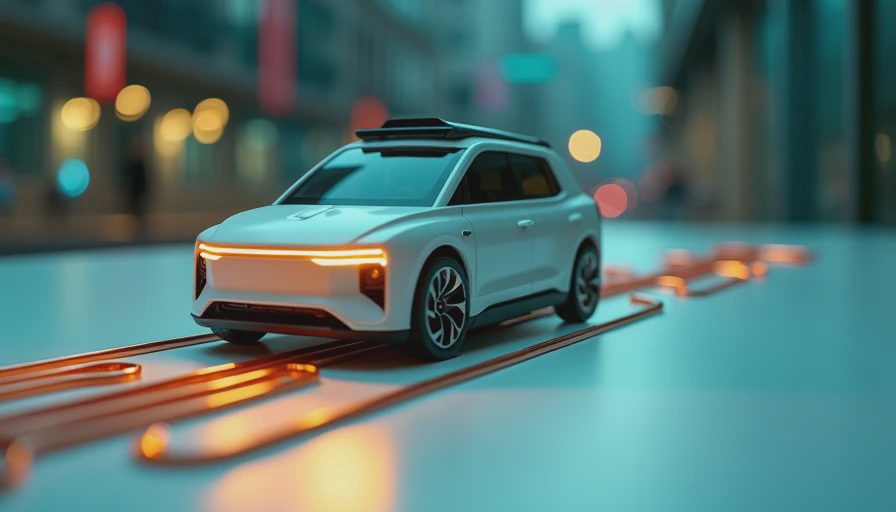
The Regulatory Road Ahead
NHTSA is moving slowly but deliberately. In 2024, it proposed a new rule requiring automakers to include driver monitoring systems that detect distraction and drowsiness in all Level 2 vehicles. That rule is still open for comment, but the data supports it: NHTSA estimates that driver monitoring could prevent up to 20% of ADAS-related crashes. Meanwhile, the agency has opened defect investigations into three automakers over ADAS-related crashes.
Reading the NHTSA filings carefully, what stands out is a pattern: the most dangerous situations involve a system that works fine in 95% of scenarios and then fails in an edge case the driver didn't anticipate. The autonomous driving technologies are not the problem—the problem is the trust gap between what the system can do and what the driver thinks it can do.
I'll be tracking this closely as new filings come in. If you own one of these vehicles, stay informed. The technology will improve, but for now, keep your hands on the wheel and your eyes on the road. Here's what the data shows. Here's what owners should do.
No notes on this sheet yet.