If you're shopping for a liter-class sportbike, the BMW S1000RR deserves serious consideration. As a former NHTSA vehicle safety investigator, I look beyond the spec sheet. Here's what the data shows about the BMW S1000RR: its safety tech, its recall history, and the real ownership costs that dealers don't advertise.
The S1000RR has been a benchmark since 2009. With a 999cc inline-four engine producing around 205 horsepower, it's a machine that demands respect. But raw power doesn't tell you how safe it is. That's where the safety systems matter.
The BMW S1000RR’s Safety Technology: More Than Horsepower
Modern BMW S1000RR models come with electronic rider aids that were once reserved for racing. Cornering ABS, traction control, wheelie control, and dynamic damping control keep the bike upright when conditions turn ugly. That's not just convenience; it's crash prevention.
For buyers, the key is to look for models with these features. The optional ABS Pro package allows lean-angle braking that can save you from a lowside when you need to stop mid-corner. Data from the Insurance Institute for Highway Safety shows that motorcycles with ABS have fewer fatal crashes per mile. On a machine like the S1000RR, that's a big deal.
Cornering ABS isn't a track gimmick. It's a safety net on wet roads or gravel. The S1000RR also offers multiple ride modes that adjust throttle response. Rain mode softens power delivery and relies on electronics to reduce wheelspin. If you're a newer rider tempted by this bike's reputation, that feature could keep you out of trouble.
NHTSA Recall History: What Owners Should Know
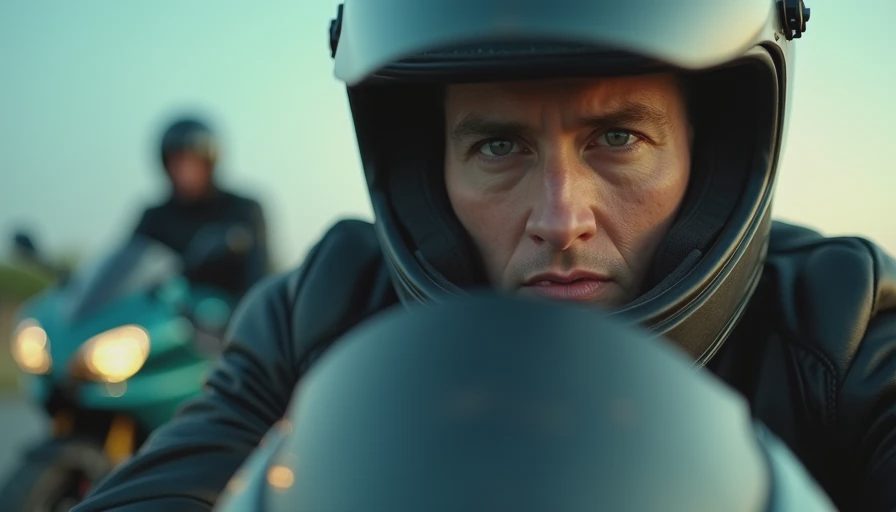
Now let's talk about the part I know well: recalls. Over the years, the BMW S1000RR has been subject to several NHTSA recall campaigns. Some involved potential brake line failures; others addressed issues with the kickstand switch or fuel pump. None were minor inconveniences; they were real defects that could lead to loss of control.
Check your bike's VIN against the NHTSA database before you buy a used S1000RR, and periodically after you own one. BMW has a recall lookup page, but NHTSA.gov is the authoritative source. If your bike has an open recall, get it fixed immediately. A dealer will handle the repair at no cost.
Rider Risk and Crash Data: The Hard Numbers
Motorcycles are riskier than cars, period. The calculated risk of riding an S1000RR is high because of its power and speed. But rider behavior is the biggest variable. In NHTSA's Fatality Analysis Reporting System, speeding and alcohol are present in a large percentage of sportbike fatalities. That's not a knock on the bike; it's a warning about the rider.
If you buy an S1000RR, you're at the controls of a machine that can go from 0 to 60 mph in just over three seconds. That's exhilarating, but it's also a responsibility. Invest in professional training. Many states offer advanced motorcycle safety courses. The MSF's Advanced RiderCourse teaches bike control, hazard avoidance, and emergency braking—skills that could mean the difference between a close call and a crash.
Also, consider gear. The S1000RR doesn't care whether you're wearing a leather jacket or a T-shirt. But your skin does. The data is clear: riders wearing proper protective gear are less likely to be severely injured in a crash. That's a cost worth budgeting for.
Insurance Costs: What You'll Pay to Insure a BMW S1000RR
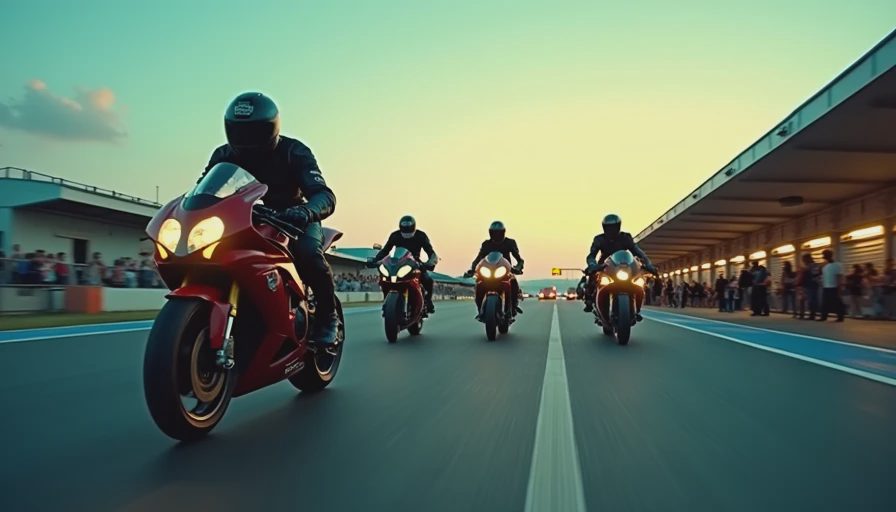
Now let's talk about money. The BMW S1000RR is classified as a high-performance sportbike, and insurance companies treat it accordingly. You can expect to pay anywhere from $1,500 to $4,000 per year for full coverage, depending on your age, riding history, location, and deductibles. That's a significant expense, but you can trim it.
Start by comparing quotes. Geico, Progressive, and other carriers have motorcycle policies that let you adjust coverage. If you have a clean record and take an approved safety course, many insurers offer discounts. Bundling your bike with your car insurance can also lower both premiums. Some companies give a discount for owning a bike with ABS and anti-theft devices.
Here's a concrete example: A 40-year-old rider in Ohio with a clean record might pay around $2,200 a year for full coverage on an S1000RR. A 25-year-old with a ticket could easily see $4,000 or more. The best way to find your number is to get at least three quotes. Some of the savings could cover your gear budget.
What Owners Should Do: A Checklist Before You Ride
Okay, here's the action list. If you own or are buying a BMW S1000RR, this week's tasks are:
- Check the NHTSA recall database for your VIN.
- Verify that all recalls have been performed.
- If you're new to the bike, take the MSF Advanced RiderCourse.
- Invest in proper gear: full-face helmet, armored jacket, gloves, boots.
- Set your ride mode to Rain or Road until you're comfortable with the power.
- Get at least three insurance quotes and check for safety discounts.
That's not a checklist I can give for every bike, but for this one, it's essential. Here's what the data shows: riders who follow these steps reduce their risk meaningfully.
Final Verdict: Is the BMW S1000RR Worth It?
The BMW S1000RR is an outstanding motorcycle. Its engineering is impressive, and the safety electronics are among the best in the business. But the risk of riding it is real. If you approach it with respect, proper training, and full coverage, it can be one of the most satisfying bikes you'll ever own. If you don't, the consequences can be severe.
My bottom line: Do your homework on recalls, budget for insurance, and treat every ride like a lesson. This bike rewards attention and punishes carelessness. Here's what the data shows. Here's what owners should do: respect the machine, and make sure you're protected on the road and in your policy.


No notes on this sheet yet.