The cockpit f 22 is not simply a fighter aircraft cockpit with newer screens installed. It is the pilot’s command center for a machine designed to combine speed, stealth, sensors, and high-angle maneuvering under extreme workload. The F-22 Raptor entered operational service with the U.S. Air Force in 2005, and its cockpit reflects a different design priority from that of a conventional airliner or even an older fourth-generation fighter: reduce the time required to understand the tactical situation and act on it.
That goal affects nearly every surface the pilot touches. Displays, throttle controls, flight controls, communications equipment, oxygen equipment, and the ejection seat have to work together while the aircraft accelerates, turns sharply, and operates in a high-threat environment. Here is what the available technical record shows, and what a careful observer should understand about the cockpit’s strengths and limitations.
How the cockpit f 22 is organized
The pilot sits in a relatively compact single-seat cockpit beneath a large, carefully shaped canopy. The canopy provides visibility over the nose and toward the sides while supporting the aircraft’s low-observable design. Unlike an older fighter cockpit filled with round gauges, the cockpit f 22 uses a glass cockpit arrangement built around electronic displays.
Multiple color multifunction displays provide flight, navigation, engine, weapons, and sensor information. The important point is not the screen count. It is the way information can be arranged and combined. A pilot does not need to rely on one instrument for altitude, another for navigation, and a separate device for every radar or weapons cue. The aircraft’s mission systems are intended to present a more unified picture.
That integration is valuable because the F-22 can receive information from its own radar, electronic-support systems, infrared sensors, other aircraft, and external sources. The pilot still has to judge the quality and relevance of those inputs. Automation can organize information, but it does not remove the need for disciplined decision-making.
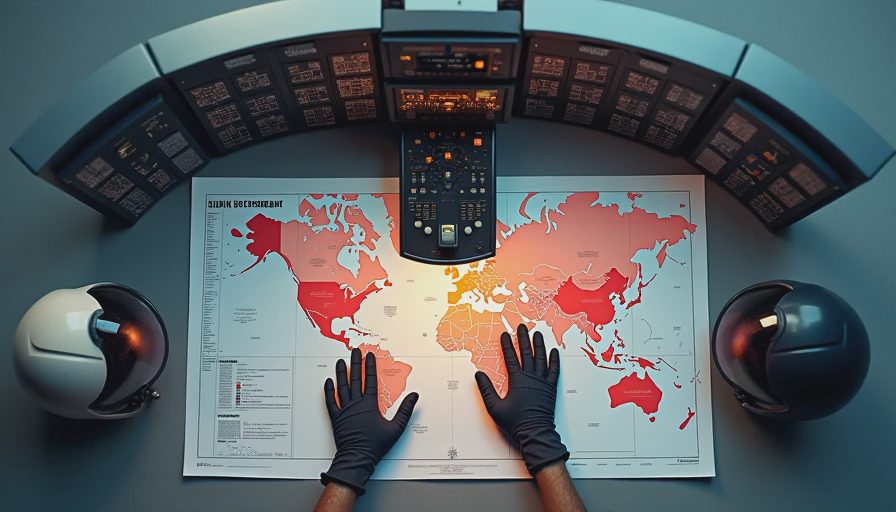
The cockpit also uses hands-on-throttle-and-stick controls, commonly called HOTAS. This arrangement allows the pilot to command many aircraft and mission functions without removing both hands from the primary controls. In a high-speed engagement, looking down to find a switch can cost attention at exactly the wrong moment. HOTAS does not make the aircraft automatic; it puts frequently used commands closer to the pilot’s fingers.
Displays, sensors, and information management
When people search for cockpit f 22 photographs, they often focus on the screens. Those displays matter, but the larger story is sensor fusion. The F-22 was designed to process information from several onboard systems and present a coherent tactical picture. Its AN/APG-77 active electronically scanned array radar, electronic warfare equipment, and other sensors support that picture without requiring the pilot to interpret every raw signal independently.
Sensor fusion is not the same as perfect knowledge. Radar performance depends on distance, aspect, weather, emissions, and the target’s characteristics. Electronic systems can be degraded, misled, or limited by the operating environment. A responsible description of the cockpit should therefore avoid treating the display as an all-knowing window. It is an aid to judgment, not a replacement for it.
The same principle applies to communications and data links. A connected aircraft can receive useful information from other platforms, but data must be identified, prioritized, and acted upon. The pilot’s training remains central. A clean-looking display can still contain incomplete or outdated information, which is why military aviation places so much emphasis on procedures, cross-checking, and mission planning.
The cockpit f 22 also has to support ordinary aircraft-control tasks. Engine indications, fuel status, flight-path information, navigation, warning messages, and aircraft health remain essential. A tactical display cannot compensate for poor awareness of basic flight conditions. The design challenge is to place urgent information where it can be found without overwhelming the pilot with unnecessary detail.
What protects the pilot
The cockpit f 22 includes physical protection as well as digital capability. The pilot is surrounded by an armored structure and sits behind the aircraft’s forward fuselage and canopy. The canopy’s shape supports visibility and low observability, while the seat and restraint system are designed for emergency escape.
The F-22 uses an ejection seat system intended to give the pilot a chance to escape when the aircraft cannot be recovered. Ejection is not a routine safety feature; it is a violent last resort involving severe acceleration, wind blast, and potential injury. The system’s value is measured by giving a pilot a survivable option in circumstances where remaining with the aircraft would be worse.
Life-support equipment is equally important. A fighter pilot may experience rapid altitude changes, high acceleration, and demanding oxygen requirements. The helmet, oxygen system, pressure equipment, and restraint harness must function as one system. Any weakness in that chain can become a serious safety issue, even if the aircraft’s radar and flight controls are operating normally.
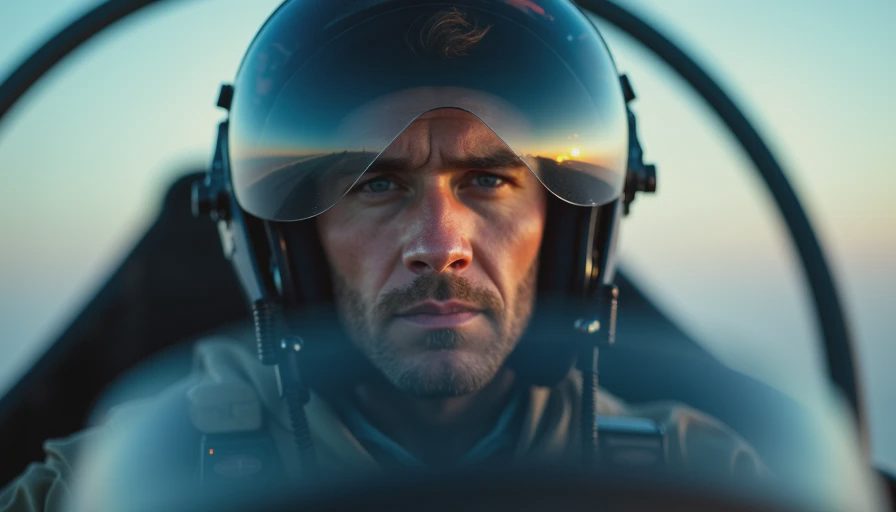
Reading descriptions of the cockpit f 22, I would also pay attention to maintenance and human factors. A sophisticated interface creates more capability, but it can create more failure modes and training demands. A warning that appears late, a display that is difficult to interpret, or a control that is poorly differentiated from a neighboring switch can impose risk during an already stressful event.
How the design affects pilot workload
The F-22’s performance creates a demanding environment. High speed reduces the time available to evaluate a developing situation. Maneuvering can produce heavy loads on the pilot’s body, while radio traffic, navigation, sensor management, and aircraft control compete for attention. The cockpit must therefore help the pilot recognize what matters first.
This is where a modern glass cockpit can outperform a panel of separate analog instruments. Information can be grouped, enlarged, filtered, and displayed according to the mission phase. But screen-based systems also require training in page layouts, symbology, alerts, and failure procedures. A pilot who knows only the normal display is not prepared for a sensor outage or degraded mode.
The practical lesson is familiar to anyone who studies transportation safety: technology reduces some risks while introducing others. Automation can lower workload during routine tasks, but it can also encourage overreliance or make a sudden failure harder to interpret. The strongest design combines automation with clear alerts, predictable controls, realistic simulator training, and procedures that work when the preferred system is unavailable.
What readers should remember
The cockpit f 22 is best understood as an integrated human-machine system, not a collection of impressive screens. Its design brings sensor information, aircraft controls, communications, and emergency equipment into a small space where a single pilot must make rapid decisions. That integration supports the Raptor’s mission, but it does not eliminate uncertainty or human error.
For anyone evaluating photographs, videos, or claims about the aircraft, three questions are useful. What information is the pilot receiving? How quickly can the pilot act on it? What happens when a major sensor, display, or communications function is degraded? Those questions reveal more than a claim that the cockpit is “advanced.”
The cockpit f 22 represents a mature approach to fighter-aircraft design: give the pilot a clearer tactical picture, keep essential controls close at hand, and protect the pilot when the mission goes wrong. Its effectiveness depends not only on hardware, but also on software, maintenance, training, and procedures. Here's what the data shows: advanced equipment is valuable when it remains understandable and dependable under pressure. Here's what readers should do: separate documented capability from promotional language, look for primary technical sources, and treat dramatic cockpit claims with the same caution used for any safety-critical system.





No notes on this sheet yet.