Dubai police cars attract attention because the fleet combines ordinary patrol vehicles with highly visible performance and luxury models. That mix creates an entertaining roadside spectacle, but it can also obscure the practical job these vehicles perform. Police cars must provide reliable transportation, communications, emergency response, and a visible deterrent. A dramatic badge or exotic body panel does not change those basic requirements.
From a vehicle-safety perspective, the useful question is not simply which model is fastest. It is how the vehicle is equipped, where it is deployed, and whether its presence improves compliance without encouraging dangerous driving. Dubai police cars offer an interesting case study in public-facing enforcement: part working fleet, part tourism message, and part road-safety reminder.
Why the fleet includes more than patrol sedans
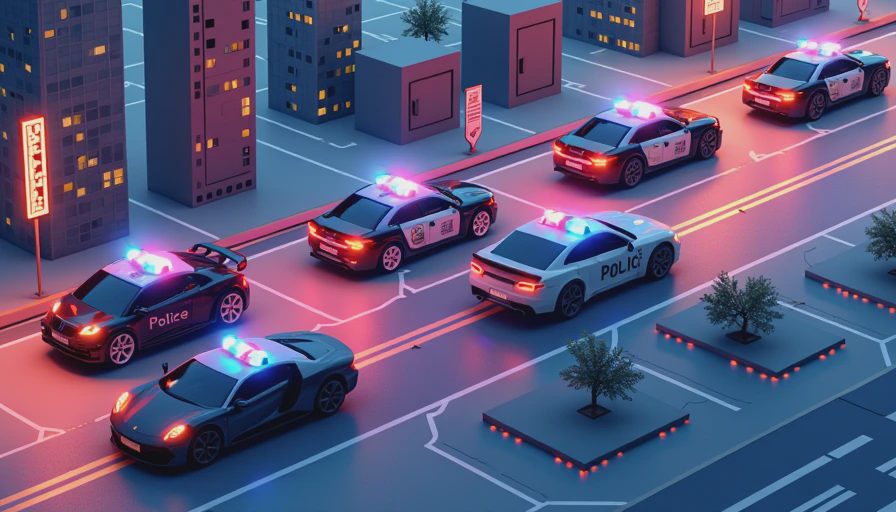
A modern police fleet normally has several layers. Routine patrol work calls for vehicles with durable interiors, clear visibility, dependable air conditioning, and enough room for radios, medical supplies, cones, and paperwork. A sedan or SUV can cover that assignment efficiently. These are the vehicles most likely to handle ordinary calls, traffic observation, and neighborhood patrols.
The public-facing portion of Dubai police cars serves a different purpose. Performance and luxury vehicles can appear at major events, tourist areas, exhibitions, and community demonstrations. Their value is not limited to acceleration. They create an immediate visual connection between the police organization and the city’s reputation for advanced technology, premium architecture, and high-profile tourism.
That distinction matters. A display vehicle should not be mistaken for the fleet’s typical response unit. Promotional appearances can be useful when they support conversations about seat belts, distracted driving, speeding, and respectful road behavior. They become less useful when spectators focus only on horsepower and forget that safe emergency driving depends on training, visibility, braking, communications, and judgment.
What makes a police vehicle different
The base model is only the starting point. Dubai police cars used for operational duties can require radio equipment, warning lights, sirens, reinforced mounting points, data terminals, storage systems, and specialized markings. Those additions change vehicle weight, electrical demand, cabin layout, and sometimes braking or suspension requirements. Fleet managers must account for those changes through testing and maintenance rather than assuming a civilian version performs identically.
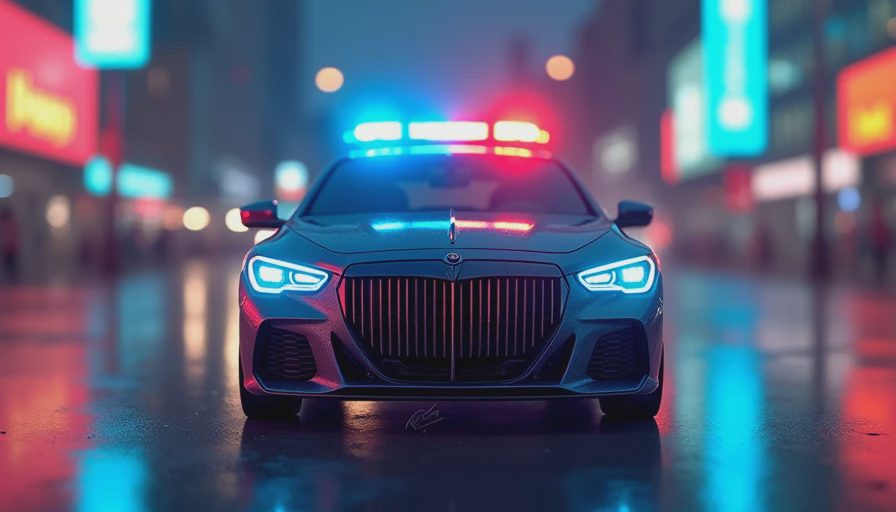
Emergency lighting also affects how other drivers should respond. A driver seeing an approaching police vehicle should avoid sudden lane changes, keep a predictable path, and move safely when local traffic rules require yielding. Looking at the car, filming it, or trying to follow it closely is a distraction. The safest response is boring: create space, check mirrors, and allow the vehicle to pass.
High-performance models have another limitation that is easy to miss. A powerful engine cannot cancel heat, tire wear, traffic density, or human reaction time. In a hot climate, tire condition and cooling-system maintenance deserve particular attention. For any police department, scheduled inspections are more important than the badge on the grille. The same principle applies to private drivers buying a used performance car.
The safety message behind the spectacle
The most effective use of Dubai police cars is educational. A recognizable vehicle can start a conversation with visitors who might not stop for a standard traffic lecture. That conversation should lead to specific behavior: buckle every occupant, keep phones out of reach, maintain following distance, and never treat an open road as a racetrack.
For U.S. visitors, the road environment can require adjustment. Dubai has broad multilane roads, heavy traffic near commercial districts, changing speed limits, and drivers unfamiliar with one another’s habits. A rental-car driver should read the contract, understand the insurance excess or deductible, identify the emergency number, and inspect the vehicle before leaving the lot. Photographing existing damage is a simple way to reduce a later dispute.
Do not use Dubai police cars as a reason to chase, race, or imitate a pursuit scene. Even if a high-end patrol vehicle is moving normally, following close behind can reduce stopping distance and create a dangerous chain reaction. A safe driver treats every marked unit as a reminder to improve spacing and attention, not as an invitation to perform.
What buyers and enthusiasts should inspect
People searching for former fleet vehicles or performance cars should separate appearance from evidence. Ask for maintenance records, accident disclosures, export documents, and a vehicle identification number check. Inspect tires for uneven wear, examine brake rotors for heavy scoring, and look beneath the vehicle for impact damage or fluid leaks. A professional pre-purchase inspection is usually money well spent, especially on a car that has operated in heat, stop-and-go traffic, or demanding service.
The presence of police-style equipment can also complicate ownership. Remove unauthorized lights, sirens, decals, or radio hardware before operating a vehicle on public roads. Rules vary by jurisdiction, and some equipment can be restricted even when it is disconnected. A buyer should confirm title status, import compliance, emissions requirements, and insurance eligibility before paying a deposit.
Insurance deserves careful attention. A standard personal auto policy generally covers an eligible private vehicle, but it may exclude business use, racing, intentional damage, or modifications that were not disclosed. Comprehensive coverage addresses certain non-collision losses, while collision coverage addresses damage from a crash, subject to the policy deductible. Liability coverage pays for covered injuries or property damage a driver causes to others, up to selected limits. Those categories are not interchangeable.
What drivers should do around marked units
The safest procedure is straightforward. First, scan well ahead so the vehicle does not surprise you. Second, avoid blocking intersections, shoulders, emergency access points, or lane changes. Third, use turn signals and move only when the path is clear. If an officer directs you to stop, pull over safely, keep your hands visible, and follow instructions. Never stop in a dangerous location merely to obtain a closer photograph.
A dash camera can document an incident, but it should not become another distraction. Mount it where it does not block the driver’s view, and do not handle it while moving. If a collision occurs, contact the appropriate authorities, exchange required information, and notify the rental company or insurer promptly. Save photographs, timestamps, and written notes while the details are fresh.
The conclusion the data supports
Dubai police cars are best understood as a layered fleet rather than a collection of exotic trophies. Some vehicles are practical patrol tools; others are highly visible ambassadors used to draw attention to public safety and the city’s image. That combination can work when the message remains clear: advanced equipment does not replace disciplined driving.
For visitors, the actionable lesson is simple. Learn local traffic expectations, leave more following distance than feels necessary, keep your phone away, and treat emergency vehicles with room and respect. For buyers, verify the vehicle’s history and equipment before assuming a dramatic former-service car is a bargain. The safest response to Dubai police cars is not fascination alone. It is attention, preparation, and predictable conduct behind the wheel.



No notes on this sheet yet.