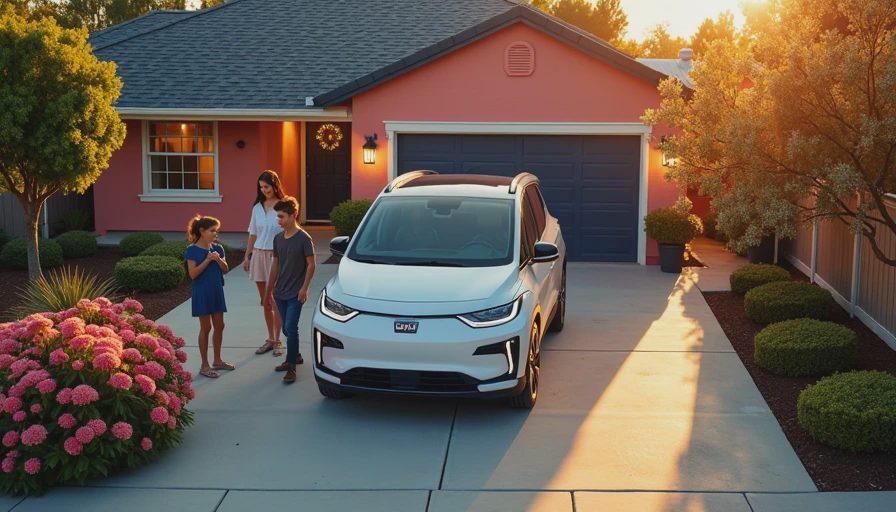
When I left NHTSA in 2023, I promised myself I'd keep following the data — not the press releases. Over the past year, **General Motors Electric Vehicles** have rolled out in increasing numbers, and with that rollout comes a new wave of safety considerations. From battery fire risk to software glitches, the transition to electric isn't just a technology shift — it's a safety shift. Here's what the data shows, and what owners should watch for.
The Transition to Electric: GM's Safety Record
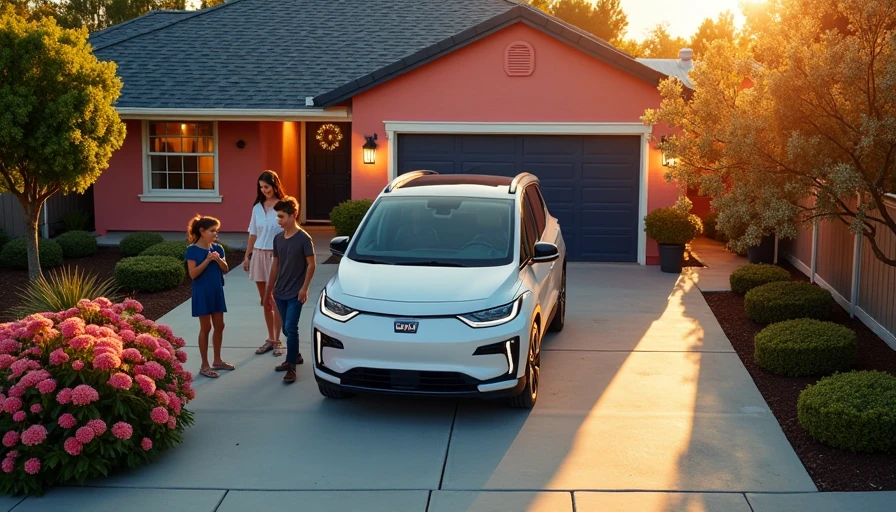
General Motors has committed to an all-electric future, with models like the Chevrolet Bolt EV, GMC Hummer EV, Cadillac Lyriq, and upcoming Silverado EV. But as NHTSA filings show, the early years of any new vehicle platform often reveal defects that weren't caught in pre-production testing. GM's electric lineup is no exception. The Chevy Bolt recall, for example, involved battery defects that could cause fires — a problem GM eventually traced to manufacturing defects at a supplier. That recall covered over 140,000 vehicles globally and resulted in a stop-sale order. While GM has since implemented new battery monitoring software, the incident highlights the importance of rigorous defect investigation.
But battery fires aren't the only concern. NHTSA has opened several investigations into GM electric vehicles for issues ranging from unexpected power loss to faulty brake systems. The agency's Early Warning Reporting system allows consumers to submit complaints directly, and the pattern across GM EVs is worth examining.
Key Safety Issues in GM EVs
Drawing from NHTSA complaint data and open investigations, several themes emerge for **General Motors Electric Vehicles**:
- **Battery and Charging System Defects** – The Bolt fire saga is the most prominent, but complaints about rapid battery degradation, charging failures, and thermal management issues continue. GM has released over-the-air updates to address some of these problems, but owners report that dealership service visits are still needed.
- **Software and Controls** – Electric vehicles rely heavily on software for drive control, range estimation, and safety systems. NHTSA has received reports of sudden loss of propulsion, dashboard warning lights, and infotainment screen failures that affect visibility of critical information. GM has pushed multiple recall campaigns for software updates, but the frequency suggests the software may still be maturing.
- **Brake System Complaints** – Several models have been investigated for brake performance issues, including unintended braking or delayed response. One investigation covered over 77,000 vehicles for a potential loss of power brake assist. While no injuries were reported, the issue could create dangerous situations.
- **Structural and Crash Safety** – On the positive side, GM electric vehicles have generally performed well in NHTSA's New Car Assessment Program (NCAP) crash tests. The Cadillac Lyriq earned a five-star overall rating, and the Bolt EV earned four stars. However, real-world crash data is still limited due to the vehicles' recent introduction.
It's important to note that no manufacturer has a perfect safety record, and GM has taken steps to address many of these issues. But for a consumer investing in a new technology, understanding the patterns is crucial.
What Owners Should Do
If you own a **General Motors Electric Vehicle**, here are three concrete steps based on my years of investigating defects:
- **Check for open recalls regularly.** Go to NHTSA.gov and search by VIN. GM has issued multiple recalls for software and battery issues. Even if you haven't experienced a problem, a recall may address a hidden defect.
- **Report any safety concerns to NHTSA.** Your complaint becomes part of the data that triggers investigations. Use the SaferCar.gov portal or call the Vehicle Safety Hotline. Include the exact make, model, year, and a detailed description of the incident.
- **Stay on top of over-the-air updates.** GM's Ultifi platform allows remote updates, but some require a dealer visit. Check your vehicle's software version against the latest available. If you're unsure, ask your dealer to verify during routine service.
The Bigger Picture: Electric Vehicles and Regulatory Oversight
My years at NHTSA taught me that new vehicle technologies often require a few years of real-world use before the full safety picture emerges. **General Motors Electric Vehicles** are no exception. The agency has opened multiple investigations into GM EVs, and while no pattern of widespread danger has emerged, the vigilance gap between what the manufacturer reports and what owners actually experience is where defects hide.
GM has been cooperative with NHTSA, and to its credit, issued recalls proactively in many cases. But as an investigator, I always advise looking past the press release. The data — consumer complaints, investigation openings, and recall scope — tells a more complete story.
Final Takeaway
Here's what the data shows: **General Motors Electric Vehicles** have faced a mix of battery-related recalls, software glitches, and brake system concerns. Most have been addressed through recalls or updates, and the overall safety rating of these vehicles is solid. But owners should remain proactive. If you own one of these vehicles, this week's task is to check your VIN for open recalls and file a complaint if you've experienced any issues. That's how safety improves — one report at a time.
Here's what owners should do: Stay informed, file reports, and don't assume the car's electronics will fix themselves. The transition to electric is exciting, but it demands a new level of owner engagement.



No notes on this sheet yet.