If you are researching Hyundai Santa Cruz reliability, start with the limits of the evidence. The Santa Cruz entered the U.S. market for the 2022 model year, so it does not yet have the decades of repair history available for a Toyota Tacoma or Honda Ridgeline. That does not make it a poor choice. It means buyers need to separate early ownership reports, documented recalls, routine maintenance, and long-term durability questions.
From my years reviewing safety complaints, I look for patterns rather than a single angry forum post. A failed infotainment screen is frustrating. A defect that can cause a vehicle to roll away, lose propulsion, or catch fire is a safety matter. The Santa Cruz deserves that same careful distinction.
What Hyundai Santa Cruz reliability evidence tells us
The Santa Cruz is a compact pickup built on a crossover-style platform rather than a traditional body-on-frame truck. That design gives it carlike handling, a comfortable ride, and useful features for commuting, light hauling, and weekend projects. It also means its long-term maintenance profile is closer to a Hyundai Tucson than to a full-size pickup.
Early models used turbocharged four-cylinder engines, with powertrains varying by trim and model year. Some versions pair turbocharged engines with dual-clutch transmissions, while other configurations use conventional automatic transmission designs. That distinction matters because dual-clutch units can deliver quick shifts but may feel different in low-speed traffic and require precise software and mechanical operation.
When judging Hyundai Santa Cruz reliability, inspect the vehicle's service history instead of relying on trim-level reputation. Oil changes, transmission service where specified, software updates, tire rotations, and prompt repair of warning lights are more useful evidence than a seller's claim that the truck is "like new." A clean title and complete maintenance file should improve confidence, not replace a mechanical inspection.

Common ownership concerns to investigate
Owners and reviewers have reported the kinds of issues seen in many modern vehicles: electronic glitches, warning lights, sensor problems, rough shifting complaints, and occasional fit-and-finish defects. Reports alone do not establish a defect, but repeated complaints involving the same component deserve attention. Ask whether a repair was completed once or whether the vehicle returned to the dealer several times for the same symptom.
The turbocharged engine also deserves a disciplined inspection. Look for delayed acceleration, unusual exhaust smoke, oil leaks, rattling during a cold start, or a check-engine light that has recently been cleared. A seller who clears codes before showing the truck may be hiding an unresolved problem. A scan tool and a cold-start test can reveal more than a polished vehicle description.
Transmission behavior is equally important. During a test drive, move slowly through parking lots, reverse on a slight incline, and accelerate from a stop. Hesitation, harsh engagement, shuddering, or repeated clunks should be documented before purchase. These symptoms do not automatically prove a major failure, but they justify a dealer diagnostic or an independent inspection.
Recalls, investigations, and the VIN check
A recall is not the same as a general complaint. A formal recall means the manufacturer and federal regulators have identified a safety-related defect affecting a defined group of vehicles and created a remedy. The remedy is generally provided without charge to the owner, although appointment delays and parts availability can still matter.
For Hyundai Santa Cruz reliability research, run the specific VIN through the National Highway Traffic Safety Administration recall database and Hyundai's owner portal. Do this before signing paperwork, not after bringing the truck home. A model-year search is useful background, but the VIN determines whether a particular vehicle is included in a campaign.
Reading the NHTSA filing carefully, what stands out is the remedy and the affected production range. Check whether the repair is complete, whether the recall is still open, and whether the dealer record confirms the work. If a safety warning appears while driving, stop in a safe location, photograph the dashboard, record the mileage, and contact the dealer. Do not treat an unresolved safety recall as a bargaining chip worth ignoring.
What owners should do after purchase
Here is what the data shows. Here is what owners should do: establish a written maintenance record from day one. Save dealer invoices, tire receipts, software-update paperwork, and photographs of warning messages. Hyundai's warranty can be valuable, but warranty coverage depends on the issue, time, mileage, maintenance, and applicable terms. Documentation makes a claim easier to evaluate.
The first month should include several practical checks:
- Confirm every recall and service campaign using the VIN.
- Verify the recommended oil grade and service interval in the owner's manual.
- Inspect tires for uneven wear, which can signal alignment or suspension concerns.
- Test every safety feature, including cameras, blind-spot alerts, and seat belts.
- Ask the dealer to document any transmission hesitation or electronic fault.
Do not modify the truck before resolving a warranty or safety problem. Oversized tires, aftermarket tuning, and electrical accessories can complicate diagnosis and create questions about causation. Keep the original parts when possible, particularly if you expect to make a warranty claim.
Buying a used Santa Cruz: a step-by-step screen
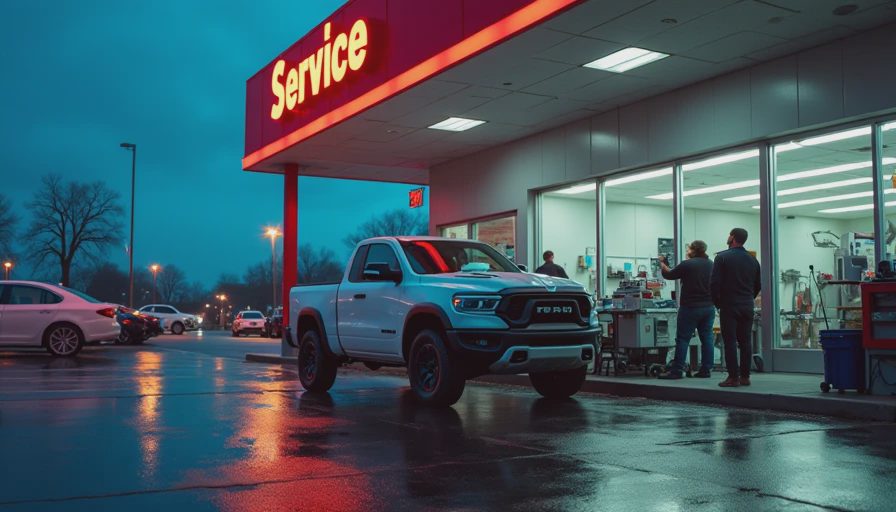
A used example can offer strong value, but price should not be the only filter. First, compare the VIN with the title, registration, and dashboard plate. Then obtain a vehicle history report, while remembering that these reports can miss accidents or repairs that were never reported. A pre-purchase inspection by a mechanic familiar with Hyundai vehicles is money well spent; a typical inspection often costs roughly $100 to $250, depending on location and scope.
During inspection, check for coolant or oil residue, damaged underbody panels, mismatched paint, worn cargo-bed components, and evidence of flood exposure. Drive the truck for at least 20 minutes with the air conditioning, cameras, cruise control, and all drive modes operating. Ask for a cold start because a warm engine can conceal noise or a difficult startup.
For a family buyer, pay particular attention to rear-seat belts, child-seat access, braking feel, and the behavior of driver-assistance systems. These are not luxury details. A vehicle that is difficult to control, understand, or maintain can create risk even when its basic engine is sound.
Reliability, insurance, and ownership cost
Repair risk is only one part of ownership cost. Before buying, request insurance quotes using the exact trim and VIN. Comprehensive and collision coverage generally cost more than liability-only coverage because the insurer is also protecting the vehicle itself. Turbocharged trims, repairable sensors, cameras, and newer body panels can influence claim costs.
Get at least three quotes from different insurers, and compare deductibles rather than looking only at the monthly premium. A $1,000 collision deductible can reduce the bill today but leave you responsible for a substantial repair expense after a crash. Ask about rental-car coverage, roadside assistance, and how aftermarket accessories in the cargo area are handled.
The insurance quote will not answer every question about Hyundai Santa Cruz reliability, but it can expose the real budget. Combine the premium with fuel, scheduled maintenance, tires, registration, and an emergency repair reserve of about $500 to $1,500 for ordinary ownership surprises. That produces a more honest monthly cost than the loan payment alone.
My conclusion for cautious buyers
The Hyundai Santa Cruz is too new for a definitive lifetime reliability verdict. Its crossover-based design, useful cargo bed, warranty support, and manageable size make it appealing for light-duty drivers. Its turbocharged powertrains, electronic systems, and limited long-term history mean buyers should inspect carefully rather than assume a low-mileage truck is trouble-free.
The practical conclusion on Hyundai Santa Cruz reliability is neither automatic approval nor automatic rejection. Buy a vehicle with a verifiable VIN, completed recall work, consistent service records, and a clean inspection. Walk away from unexplained warning lights, repeated transmission complaints, or pressure to skip an independent check. If you own one of these vehicles, this week's task is simple: run the VIN, review the manual, and document every unresolved symptom before it becomes an expensive mystery.




No notes on this sheet yet.