The VW ID Buzz is the electric reincarnation of the Volkswagen Microbus, and it has generated more showroom buzz than any people-hauler in recent years. As a former NHTSA safety investigator, I look at this van differently from most reviewers. I read the early owner forums, the recall lists, and the bulletins that don't make headlines. Here is what the data shows so far, and what owners should do before they sign.
The Big Picture: What the VW ID Buzz Actually Is
The VW ID Buzz is a three-row electric van built on Volkswagen's MEB platform, the same architecture that underpins the ID.4 crossover. It comes in rear-wheel drive or all-wheel drive, seats up to seven, and has a flat floor that makes kid-hauling easier than a typical SUV. Sticker prices range from roughly $60,000 to more than $75,000 before destination charges.
That price sits above typical minivans and near luxury electric SUVs like the Rivian R1S or Tesla Model X. The structure is modern, with a stiff EV skateboard floor, a low center of gravity, and high-strength steel passenger cell. The low battery placement reduces rollover risk.
The ID Buzz does not yet have a public crash-test rating. NHTSA's New Car Assessment Program had not published side-impact or rollover ratings for the 2025 model when this guide was written. That is not a red flag, but a missing data point. Treat an unrated vehicle as an incomplete picture, not a guarantee of safety.
The Safety Gear That Comes Standard
VW loads the ID Buzz with driver-assistance features that used to be optional on much more expensive vehicles. Every trim includes forward collision warning with automatic emergency braking, blind spot monitoring, rear cross traffic alert, lane keeping assistance, and adaptive cruise control. Higher trims add a head-up display, a 360-degree camera, and a Travel Assist system that keeps the van centered in its lane on highways.
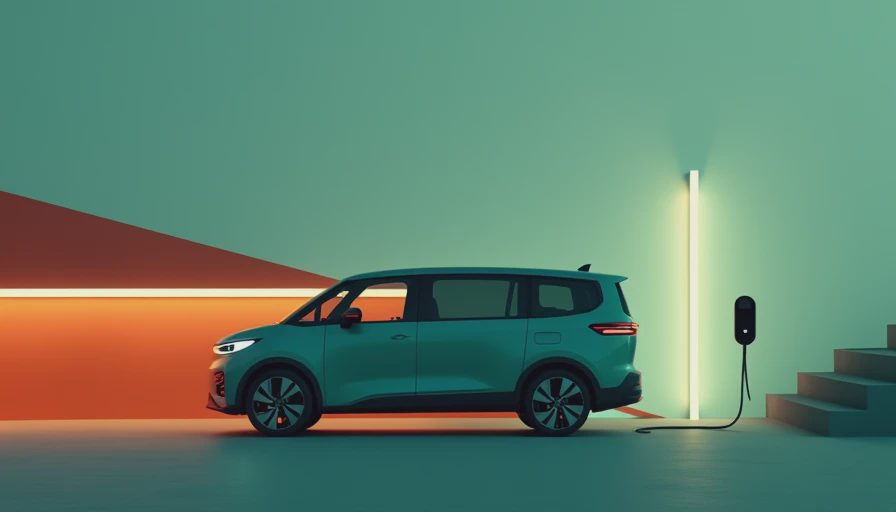
The automatic emergency braking system is the one I would test on a road test. I saw too many crashes where a driver thought AEB was on when it was not calibrated for road speed. Have the salesperson demonstrate it on a quiet side street.
The VW ID Buzz also features a large 12.9-inch touchscreen that controls almost everything, including climate, sunroof, and mirrors. That is a driver-distraction concern. A glance at the screen to adjust the temperature is a glance away from the road. Set the main controls before you pull away, and use voice commands whenever possible.
Owner Reports and Early Recall Watching
Any new model needs a year of data before we know where the weak points are. The VW ID Buzz has been on sale in the U.S. since late 2024, and early owner threads on forums like VWIDTalk and Reddit's r/VWIDBuzz have already flagged a few patterns. The most common complaints involve software glitches in the infotainment system, delayed dashboard responses, and occasionally a blank center screen that requires a restart.
The sibling model ID.4 has had several recalls, including one for loss of drive power and another for door handles that could open in a crash. The ID Buzz shares electrical architecture with the ID.4, so a service bulletin or recall campaign within its first two model years would not surprise me. That does not mean avoid it. Set up an automatic recall alert and check your VIN on NHTSA.gov before you buy and every few months after.
What It Really Costs to Own
The biggest shock for new ID Buzz buyers is the insurance bill. Its high replacement value and expensive body panels push comprehensive and collision coverage 20 to 30 percent higher than a gas minivan. Shopping rates is worth it.

The electric drivetrain cuts fuel costs dramatically, especially if you can charge at home on a time-of-use rate plan. EPA-estimated range is 234 miles for rear-drive and around 200 for all-wheel drive. That is fine for daily driving but tight for long road trips, especially in winter. A DC fast charger adds 80 percent of range in about 30 minutes.
Dealer markups are another real cost. Many U.S. dealerships have asked five figures over sticker for the ID Buzz. If a dealer is asking over MSRP, wait, order at sticker, or look at out-of-state inventory.
Three Steps Before You Sign
Here's what owners should do this week if the VW ID Buzz is on their shortlist.
First, run the VIN through NHTSA's recall lookup when the dealer gives you a build sheet. If a recall exists, the dealer must fix it before delivery. A dealer who resists that is one to walk away from.
Second, take a test loop that includes a highway merge and a tight parking garage. Feel how the weight affects braking and how well you can see out the rear glass. Third-row headrests can block visibility. If you have a teen driver, put them in the driver's seat first.
Third, set a firm out-the-door price and get it in writing before you enter the finance office. Include destination charges, dealer fees, and taxes. If the dealer adds a market adjustment line item, ask them to remove it or walk. Enough ID Buzz units arrive each quarter that patience is realistic.
The Bottom Line
The VW ID Buzz is the most character-rich family vehicle to hit the American market in years. Its safety tech is genuinely competitive, its crash structure looks promising, and its electric range covers the daily routine of most families. But the lack of official crash ratings and first-year recall risk mean the cautious buyer should treat it as a watch-and-verify vehicle, not a rush-out-and-buy one.
Here's what the data shows. Here's what owners should do: insist on a VIN-specific recall check, test every driver assist on your route, and never pay a markup for a safety unknown. If you handle those three things, the VW ID Buzz can be a smart, safe, and genuinely fun family hauler.

No notes on this sheet yet.