The zr2 silverado is marketed as a serious off-road pickup, but buyers should evaluate more than ground clearance, tire size, and engine output. From a safety investigator's perspective, the important questions are straightforward: how does the truck behave when loaded, what happens after a collision, and are owners completing recall repairs? The answers depend on the model year, equipment, cab configuration, and maintenance history. Here's what the data shows. Here's what owners should do.
The Silverado ZR2 occupies an unusual position. It is a large, powerful truck designed for rough terrain, yet many examples spend most of their lives on highways, school runs, and urban streets. That mismatch matters. Off-road hardware can improve traction and control in some conditions, while larger tires, additional weight, and suspension lift can change braking distance, visibility, and rollover dynamics. The badge itself is not a safety rating.
What the zr2 silverado is built to do
The zr2 silverado is a factory off-road package rather than a lightly modified work truck. Depending on year and configuration, buyers will encounter features such as specialized suspension components, electronic locking differentials, underbody protection, all-terrain tires, and a high-output powertrain. Those systems can help the driver maintain momentum over rocks, loose soil, and uneven grades. They cannot defeat physics, poor judgment, or neglected maintenance.
The first safety issue is mass. A full-size pickup places substantial weight and height between occupants and smaller vehicles, but that advantage does not eliminate injury risk. A heavy truck still needs functional seat belts, properly positioned head restraints, good tires, and correctly calibrated airbags. The second issue is stopping. Aggressive tread and increased unsprung weight can affect wet-road grip and emergency braking, especially when tires are worn or incorrectly inflated.
Buyers should also confirm the payload rating on the door-jamb label instead of relying on a dealer listing. Skid plates, tools, passengers, camping equipment, and aftermarket accessories consume capacity quickly. Exceeding the rating can impair handling and extend stopping distances.
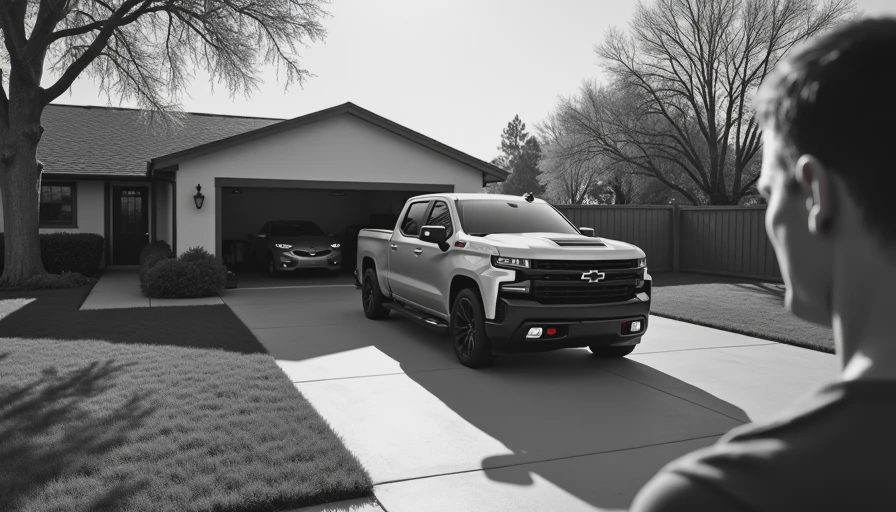
Crash protection and driver assistance
A modern zr2 silverado can include automatic emergency braking, forward collision alert, lane-related warnings, blind-zone monitoring, rear cross-traffic alert, cameras, and parking sensors, depending on model year and package. These systems are valuable aids, not substitutes for an attentive driver. Their performance can be reduced by mud on a camera, snow covering a radar sensor, a damaged bumper, or a windshield replacement that was not followed by required calibration.
That last point deserves emphasis. A truck can look repaired while its safety technology remains misaligned. After a front-end collision, suspension impact, windshield replacement, or bumper repair, ask whether the shop performed the manufacturer-specified diagnostic scan and calibration. Request the invoice. A warning light is not the only sign of a problem; a system that quietly activates too late or brakes unexpectedly is also a concern.
For families, examine the rear seating position and child-restraint installation in the exact truck being considered. Bring the child seat to the inspection. Check that the lower anchors are accessible, the seat belt locks as expected, and the front passenger position remains comfortable without forcing a child restraint into an unsafe angle. Never assume a large truck automatically provides a perfect fit.
Recall research is not optional
Searching a zr2 silverado by model name alone is not enough. Recall campaigns are tied to model year, production date, equipment, and VIN. Use the VIN lookup at NHTSA.gov and the manufacturer portal, then ask a franchised dealer to search for open campaigns. Pay particular attention to safety recalls involving braking, steering, restraint systems, lighting, fuel systems, wheels, and software that affects vehicle control.
A recall notice generally explains the defect, the potential consequence, affected production range, remedy, and owner notification process. Read the filing rather than relying on a headline. Some campaigns affect only a defined population, while others involve a broader manufacturing or software issue. An online complaint is not proof of a defect, and the absence of a complaint does not prove a truck is safe.
If the VIN shows an open safety recall, schedule the repair promptly. Recall work is normally performed without charge by an authorized dealer. If a dealer says parts are unavailable, ask for the repair order, the estimated parts date, and instructions for operating the truck in the meantime. Keep those records. They establish what you reported and when.
Used-buying inspection: the evidence trail
When inspecting a used zr2 silverado, start with documentation. Look for service invoices, tire receipts, alignment records, recall completion notices, and evidence of accident repairs. A vehicle-history report is useful but incomplete; it may not capture an unreported trail repair or extensive off-road use.
Get underneath the truck with a flashlight. Scraped skid plates are not automatically disqualifying, but crushed metal, fresh welds, bent suspension components, leaking dampers, or damaged differential housings deserve professional attention. Inspect the inside shoulders of the tires, where alignment problems often hide. Confirm that all four tires match in size and have comparable tread depth. On four-wheel-drive systems, mismatched tires can create mechanical stress and unpredictable behavior.
During the road test, listen for clunks over controlled bumps, vibration under acceleration, pulling during braking, and steering that does not return smoothly after a turn. Test the backup camera, warning indicators, parking sensors, and driver-assistance controls. Do not accept a seller's statement that a warning light is “just a sensor.” Have a technician scan the vehicle before money changes hands.

Insurance, repairs, and ownership cost
A zr2 silverado can cost more to insure than a similarly priced midsize vehicle because replacement parts, repair complexity, power, and theft exposure all influence underwriting. Comprehensive coverage addresses non-collision losses such as theft, hail, and falling objects; collision coverage addresses damage from a crash. Liability coverage pays for injuries or property damage you cause, subject to policy limits. A lender will typically require comprehensive and collision coverage while a loan is outstanding.
Ask an insurer for a quote using the actual VIN before purchase. Two trucks with similar window stickers can produce different premiums because of location, driver history, claim patterns, deductible choices, and equipment. Compare a $500 deductible with a $1,000 deductible using money you could realistically pay after a loss. Also ask about original-equipment replacement parts, rental reimbursement, and coverage for permanently installed accessories.
Repair bills deserve equal attention. Specialized dampers, cameras, sensors, wheels, and body panels can push a minor-looking incident into a several-thousand-dollar claim. An independent shop may offer a lower labor rate, but advanced driver-assistance repairs require the right scan tools and calibration capability. The cheapest estimate is not necessarily the safest repair.
Three steps before you buy or keep one
First, record the VIN and run both recall searches. Save screenshots or print the results, including any campaign marked completed. Second, arrange an independent pre-purchase inspection with a technician familiar with full-size four-wheel-drive trucks. Request a written report covering frame condition, suspension, tires, brakes, fluid leaks, diagnostic trouble codes, and collision evidence. Third, obtain insurance pricing and confirm the truck's payload needs before signing a purchase contract.
For current owners, the weekly task is simpler: check tire pressure when the tires are cold, inspect tread and sidewalls, confirm that cameras and warning systems are clean, and review the owner's manual for towing and payload limits. If the truck has been modified, retain records for every lift, wheel, tire, lighting, or software change. Modifications can affect handling, warranty questions, and claim investigations.
The zr2 silverado can be a capable tool, but capability is not the same as immunity from defects or misuse. Read the VIN-specific records, verify the repair history, and treat electronic safety features as assistance rather than permission to drive faster or carry more. If you own one of these vehicles, this week's task is to complete the recall search and inspect the tires. That is practical risk reduction, not paperwork.




No notes on this sheet yet.