Tesla diner menu changes have become a subject of interest for drivers, Tesla fans, and anyone planning a stop at the company’s highly visible diner concept. But a changing menu is not automatically a safety issue, a regulatory event, or proof that a restaurant has abandoned its original plan. The useful question is narrower: What changed, when did it change, and where can a visitor verify the current information before making the trip?
That distinction matters because promotional menus, online ordering pages, social posts, and menus displayed at a physical location do not always update at the same time. Prices can move, menu items can be paused, and ingredients can change because of supply, staffing, seasonality, or local operating decisions. Visitors should treat older screenshots and reposted videos as leads, not final evidence.
What the menu changes could mean
The phrase Tesla diner menu changes can describe several different developments. A restaurant might add new burgers, remove a side dish, adjust a combination meal, change service hours, or revise prices. It might also change the way customers order, such as moving from counter ordering to app-based ordering or limiting a promotional item to certain hours.
Those are operational changes, not vehicle recalls. There is no reason to connect a restaurant menu update to Tesla vehicle safety unless a reliable source separately establishes that connection. I have spent years reading safety filings, and the first rule is to define the issue correctly before drawing a conclusion. A diner menu is a consumer-service question. A vehicle defect is a regulated safety question. They require different evidence.
For a visitor, the practical consequences are straightforward. A family budgeting $60 to $90 for a casual meal could face a higher bill if a bundled price disappears. Someone with a food allergy could be affected by an ingredient substitution. A driver planning a charging stop could lose time if the advertised food service is closed, restricted, or operating on a reduced schedule.
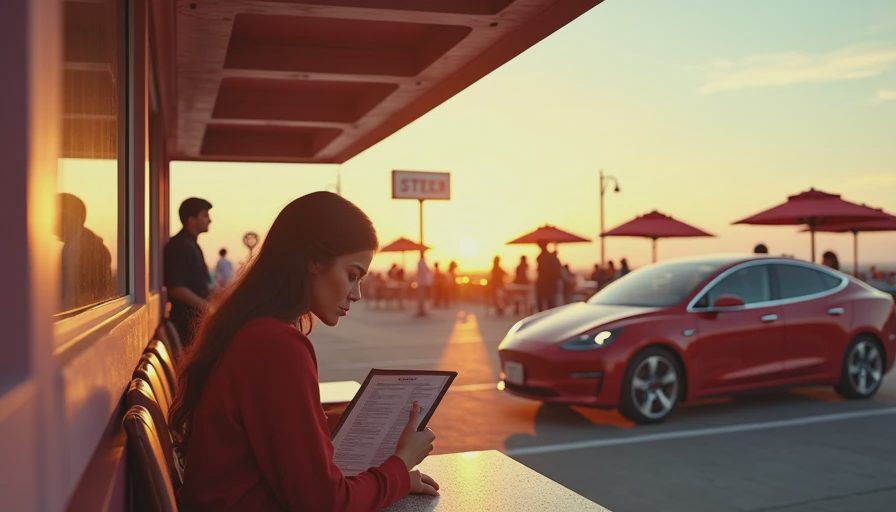
How to confirm Tesla diner menu changes
Start with the most current official source connected to the location. Look for a dated menu, current ordering page, or direct notice from the restaurant. If the page displays no update date, record the access date yourself. A screenshot showing a price or item is more useful when it includes the page address and the day it was captured.
Next, compare at least two sources. A delivery platform may show an abbreviated menu, while the in-person menu may contain items unavailable for delivery. Search results can also preserve old descriptions after a business changes its offerings. Customer photos provide useful clues, but they can be months old and should not override a current official listing.
If the difference affects a planned visit, call the location before leaving. Ask three specific questions: Is the item currently available? Is the posted price current? Are the kitchen and dining services operating during the hours shown online? A short call can prevent a long drive based on an obsolete page.
Pay particular attention to words such as “limited,” “seasonal,” “while supplies last,” and “available during select hours.” These terms explain why two visitors can report different experiences without either person being dishonest. They also make a dramatic online claim less conclusive than it first appears.
Prices, portions, and allergy information
One of the most important Tesla diner menu changes is a price change that is not clearly labeled as such. Compare the item price, tax, service fee, and any delivery charge separately. A meal that appears to cost $15 on a menu can produce a noticeably larger total through delivery or platform fees. For in-person dining, ask whether a combo includes the drink, side, or topping shown in promotional imagery.
Portion changes are harder to verify than price changes. A photograph can suggest a smaller serving, but it cannot establish a consistent portion standard. If value is the concern, compare the listed weight or included components when that information is available. A missing topping or side should be treated as a specific menu discrepancy rather than evidence of a broad policy.
Allergy information deserves more care. Menus often identify major allergens, but shared cooking surfaces and cross-contact can still matter. A diner employee should be able to explain whether an ingredient is present and whether a request can be accommodated. Do not rely on a social-media comment for medical guidance. If the answer is unclear, choose a different item or location rather than assuming the risk is acceptable.
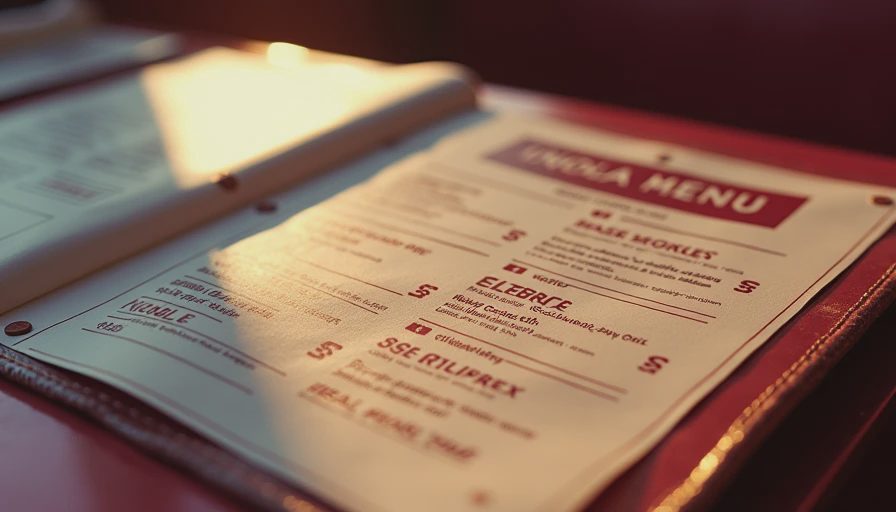
What drivers should check before a visit
Tesla diner menu changes matter most when the restaurant is part of a longer driving plan. Before departing, confirm the operating hours, parking or charging access, estimated wait, current menu, and backup food option. Keep the charging decision separate from the meal decision. A vehicle may need energy even if the kitchen is closed, and a diner visit should not determine whether a driver continues with an unsafe low-charge plan.
Allow extra time during evenings, weekends, launches, special events, or holiday periods. A busy location can create a longer queue than the online ordering page suggests. If children, older passengers, or a passenger with dietary restrictions are traveling, pack a dependable backup snack and identify another nearby option. That is basic trip planning, not an overreaction.
Drivers should also avoid stopping in unsafe areas to photograph a menu or argue over a price. Park legally, keep pedestrians clear of vehicle lanes, and never use a phone while moving. A restaurant visit is not worth creating a distraction-related crash risk.
What owners and visitors should do now
Here is the evidence-based approach. Save the current official menu before the trip. Note the location and date. Compare the listing with the in-person or ordering menu. Confirm uncertain items by phone. Keep the receipt if the charge differs from the advertised price, and photograph the posted menu without blocking customers or staff.
If the problem involves a missing allergen disclosure, an unexplained charge, or a sanitation concern, report it through the appropriate local consumer or health authority rather than presenting an unverified claim as fact. If it involves a vehicle defect, report that separately through the National Highway Traffic Safety Administration’s vehicle safety complaint process. Those are different reporting channels because they address different risks.
The current lesson from Tesla diner menu changes is simple: verify the source, date, location, and total cost before relying on a post or screenshot. A menu revision can be ordinary business housekeeping, but consumers still deserve accurate prices, clear ingredients, and usable operating information. Here's what the data shows. Here's what visitors should do: confirm the details before driving, keep a backup plan, and separate restaurant rumors from documented vehicle safety evidence.

No notes on this sheet yet.