If you are wondering **how to find an open recall on my car**, start with one fact: recalls are tied to safety defects, and open recalls stay with the vehicle until the repair is completed. That means a used car, a family SUV, or a commuter sedan can carry an unresolved problem long after it leaves the first owner. Here's what the data shows. Here's what owners should do. You need the right VIN, the right federal database, and a simple follow-up plan so you know whether your vehicle is still at risk.
Start With the VIN, Not Guesswork
The fastest way to answer **how to find an open recall on my car** is with the 17-character Vehicle Identification Number. You can usually find it at the lower corner of the windshield on the driver's side, on the driver's door jamb label, on your registration card, or on your insurance ID documents. Use the VIN, not just the year, make, and model, because recalls often apply only to certain production dates or equipment packages.
Once you have the VIN, go to NHTSA's recall lookup tool and enter it exactly as shown. That search checks for unrepaired safety recalls reported over the last 15 calendar years. If the result shows an open recall, you should also see the recall number, a summary of the defect, the safety risk, and the remedy status. Reading the NHTSA filing carefully, what stands out is whether the remedy is available now or still pending parts.
If your vehicle is older, or if the VIN lookup returns nothing but you still suspect a problem, check the manufacturer's recall page too. Federal records are the backbone, but a second check is good practice.
What an Open Recall Actually Means
An open recall does not mean your car is guaranteed to fail tomorrow. It means the manufacturer and NHTSA have identified a safety defect or a noncompliance with a federal motor vehicle safety standard, and the repair has not yet been logged as completed for your specific vehicle.
Common recall issues include faulty fuel pumps, fire risk from electrical short circuits, airbags that may rupture or fail to deploy properly, rearview camera display failures, and seat belt or brake system defects. Some recalls are urgent stop-drive actions. Most are not, but they still deserve attention because the defect has already cleared the threshold for a formal safety campaign.
That distinction matters when people search **how to find an open recall on my car**. They are not just looking for paperwork. They are checking whether a known safety problem is still active on the vehicle they drive every day.
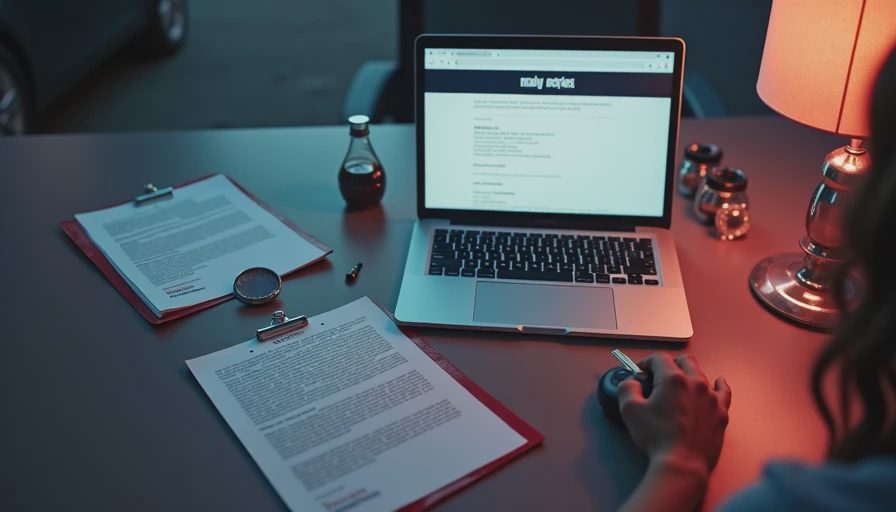
If you bought used from a private seller or a small lot, do not assume the recall was handled. Open recalls can remain attached to a vehicle through multiple owners, especially when notice letters went to an old address or the owner ignored them.
Use NHTSA First, Then Call the Dealer With the Recall Number
Here is the investigator's version of the process: filing number, exact range, three concrete steps. First, run the VIN through NHTSA. Second, write down the recall number and read the defect summary. Third, call a franchised dealer for your brand and ask whether the remedy is available and whether your VIN still shows open status in the manufacturer system.
This dealer call matters because databases do not always update at the same speed. A repair can be completed but not yet reflected online, or a recall can be listed while the dealer is still waiting on parts. Ask the service department for the earliest appointment, estimated repair time, and whether they offer a loaner, shuttle, or pickup service for serious safety recalls.
If the person on the phone is vague, ask them to confirm by VIN, not just by model. That one step prevents a lot of confusion. For brands like Ford, GM, Toyota, Honda, Hyundai, Kia, Nissan, or Stellantis makes such as Jeep and Chrysler, franchise dealers can typically verify campaign status quickly when they have the full VIN.
What Owners Should Do if a Recall Is Open
If your search confirms an open recall, schedule the repair promptly. Federal safety recall repairs are performed at no charge to the owner. You should not be paying a deductible, shop diagnostic fee, or parts markup for the recall remedy itself. That is different from warranty work or insurance claims. A recall repair is a manufacturer obligation.
Before your appointment, take screenshots of the NHTSA result and save any recall letters or dealer emails. If the dealer says parts are unavailable, ask to be notified as soon as they arrive and request that your contact information be verified in the manufacturer system. If the defect involves fire risk, airbag failure, stalling, or brake performance, ask whether the manufacturer has issued any interim precautions.

If you are shopping for auto insurance, this is also a smart time to review your policy. A recall does not replace insurance. Liability coverage pays for damage or injuries you cause, while comprehensive and collision cover different types of damage to your own vehicle. Recalls fix the defect; insurance handles covered losses from crashes, weather, theft, and similar events. Doing both protects you better than assuming one replaces the other.
When the Search Comes Up Empty but You Still Have Concerns
Sometimes people search **how to find an open recall on my car** because they are seeing symptoms: a warning light, stalling, a failed camera display, or a component that was recalled on similar vehicles. If the VIN search shows no open recall, that does not automatically mean nothing is wrong. It means no active unrepaired safety recall is currently tied to that VIN in the database.
At that point, check for technical service bulletins, complaint trends, and manufacturer customer satisfaction campaigns. A technical service bulletin is not a recall, but it can help explain a known pattern. You can also file a complaint with NHTSA if you believe the issue affects safety. Those owner complaints matter. In many defect cases, they are the early signal that helps investigators spot a wider problem.
My advice is simple: run the VIN check today, save the results, and follow through if anything is open. If you own one of these vehicles, this week's task is not complicated. Search, document, call, schedule. That is the practical answer to **how to find an open recall on my car**, and it is one of the easiest safety checks a driver can do in under ten minutes.




No notes on this sheet yet.