
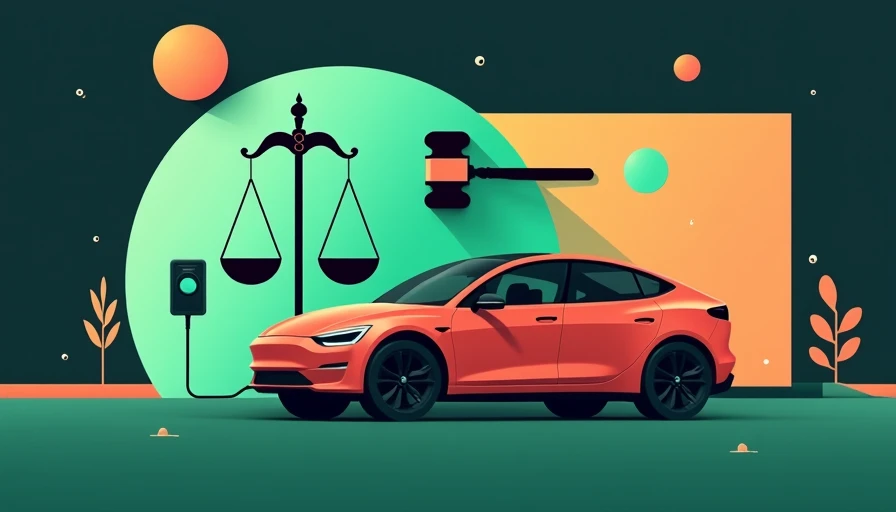
The California zero emission vehicle mandate lawsuit represents a major legal challenge to the state's ambitious plans to phase out gasoline-powered cars. In 2023, a coalition of 17 states filed suit to block California's Advanced Clean Cars II rule, which requires automakers to sell an increasing percentage of zero-emission vehicles (ZEVs) starting in 2026. Here's what the data shows about the lawsuit and what it could mean for your next car purchase.
The California Zero Emission Vehicle Mandate Lawsuit: Background
The California Air Resources Board (CARB) adopted the ZEV mandate in August 2022. It requires 35% of new car sales to be ZEVs by model year 2026, ramping up to 100% by 2035. The rule applies to automakers selling vehicles in California, and several other states have adopted California's standards under Section 177 of the Clean Air Act. The lawsuit, filed by states like Ohio, Texas, and Alabama, argues that California is effectively setting national policy and that the mandate is unattainable without a massive expansion of charging infrastructure and consumer incentives. The case also challenges the EPA waiver granted to California. The mandate includes provisions for plug-in hybrids as a transitional technology, but the core requirement is for pure battery electric or hydrogen fuel cell vehicles. The case has significant implications for the auto industry and consumers, with oral arguments expected in early 2024.

Who Is Behind the California Zero Emission Vehicle Mandate Lawsuit?
The plaintiffs are led by 17 states, including Ohio, Texas, Alabama, and Florida. They are joined by fuel industry groups and some auto dealers. The defendants include the California Air Resources Board and the U.S. Environmental Protection Agency, which granted California waivers to set its own emissions standards. The lawsuit also draws support from environmental organizations that have filed amicus briefs. Inside the auto industry, opinions are split: General Motors and Ford have invested heavily in EVs and publicly support the mandate, while Toyota and Stellantis have been more cautious, warning that consumer demand may not keep pace with regulatory deadlines. This legal battle could shape the future of American auto manufacturing, as a ruling either way will influence investment decisions for years.
What the California Zero Emission Vehicle Mandate Lawsuit Means for You
For everyday drivers, the lawsuit introduces uncertainty. If the mandate is blocked, California and other states that follow its rules may slow down the EV transition. That could mean more gasoline-powered cars remain on the market longer, and automakers might delay new EV models. On the other hand, if the mandate is upheld, you can expect a wider selection of EVs, but prices may stay high due to limited supply and production costs. Charging infrastructure is another concern—without significant investment, a rapid shift could leave owners frustrated. For instance, if you're planning to buy a new car in 2025, you might see more plug-in hybrids as automakers hedge their bets. A delay in the mandate could also keep used gas cars valuable longer, affecting trade-in values. The court's decision in this case will likely take years to finalize, so patience is key.
Steps Drivers Should Take During the Lawsuit
While the legal process unfolds, there are practical steps you can take. First, stay informed about the court's rulings and any changes to your state's vehicle regulations. If you live in a state that follows California's rules, this lawsuit directly affects your future car choices. Second, if you're considering an EV, research available tax credits and charging incentives. The federal government offers up to $7,500 for eligible EVs, and some states have additional rebates. Third, don't rush into a purchase based on fear of missing out—vehicle prices and technology will continue to evolve. Consider the total cost of ownership: EVs typically have lower fuel and maintenance costs but higher upfront price. Compare gas and EV options for your driving patterns. This week's task: check your state's adoption of California ZEV standards and see what EV models are available near you. Bookmark the court docket and check in monthly for updates.
The Bigger Picture
Beyond the legal arguments, this lawsuit is a referendum on how aggressively the U.S. moves toward electric vehicles. It touches on federalism, environmental policy, and consumer choice. Here's what the data shows: similar challenges have been filed against previous California emissions rules, but courts have generally upheld the state's authority. The outcome of this case could set a precedent for other states' climate initiatives. For now, the California zero emission vehicle mandate lawsuit is a story to watch closely. Here's what owners should do: stay engaged, make informed decisions, and remember that the market is moving in one direction—just not as fast as some would like.
How the California Zero Emission Vehicle Mandate Lawsuit Could Affect Auto Insurance
If the mandate is upheld, more EVs on the road could lead to changes in auto insurance premiums. Electric vehicles are generally more expensive to repair due to specialized parts and battery costs, which can raise comprehensive and collision coverage rates. However, some insurers offer discounts for EVs, especially those with advanced safety features and lower maintenance needs. The California zero emission vehicle mandate lawsuit may delay the EV transition in some states, keeping insurance rates more stable for gasoline-powered cars. In contrast, if the mandate is blocked, automakers might slow EV production, limiting the availability of green vehicle discounts. Here's what the data shows: in states with high EV adoption, average premiums have increased slightly for EVs compared to similar gas models, but as repair networks mature, rates are expected to converge. For instance, major carriers like State Farm and Geico now offer EV-specific policies with unique benefits such as battery coverage and charging station protection. When considering an EV, use this checklist: compare quotes from at least three insurers, ask about comprehensive coverage for battery damage, check for low-mileage discounts, and inquire about roadside assistance designed for EVs. Also consider how the lawsuit could affect the used car market—changes in vehicle availability may impact total loss values and premiums. The insurance industry is closely monitoring the case to adjust risk models. Stay proactive—your insurance agent can help estimate costs for your next car, regardless of the legal outcome.


No notes on this sheet yet.