If you have ever asked **who enforces vehicle safety regulations in the United States**, the short answer is this: the National Highway Traffic Safety Administration, or NHTSA, is the main federal enforcement agency. But that is only the top layer. The U.S. Department of Transportation oversees NHTSA, manufacturers are legally responsible for compliance and recalls, state law enforcement handles road-use violations, and courts can step in when companies fail to meet safety obligations. Here's what the data shows. Here's what owners should do.
The main federal enforcer is NHTSA
NHTSA is the agency most drivers need to know by name. It sits within the U.S. Department of Transportation and enforces the Federal Motor Vehicle Safety Standards, often called FMVSS. Those standards cover core safety items such as airbags, seat belts, lighting, tires, crash protection, child restraint anchorage systems, and electronic stability control.
In practical terms, NHTSA does not inspect every car rolling off the line before sale. Instead, it sets standards, requires manufacturers to certify compliance, investigates defects, orders or negotiates recalls, and can impose civil penalties when automakers or suppliers break the rules. It also monitors Early Warning Reporting data, owner complaints, crash reports, and manufacturer submissions to spot patterns.
When people ask who enforces vehicle safety regulations in the United States, this is usually what they mean: Which agency can force action when a vehicle or equipment defect creates an unreasonable safety risk? In most cases, that answer is NHTSA's Office of Defects Investigation and related enforcement offices.
What the Department of Transportation and manufacturers actually do
The Department of Transportation, or DOT, is the cabinet-level department above NHTSA. DOT sets broad transportation policy, while NHTSA handles vehicle safety enforcement day to day. That distinction matters because many consumers use DOT and NHTSA as if they are interchangeable. They are related, but they are not the same office.
Manufacturers also play a major role. Under federal law, automakers and equipment makers must certify that their vehicles or products meet applicable safety standards when sold. If they discover a defect related to motor vehicle safety, or learn a vehicle does not comply with a federal standard, they must notify NHTSA and conduct a recall. That includes notifying owners, dealers, and distributors, then providing a free remedy.
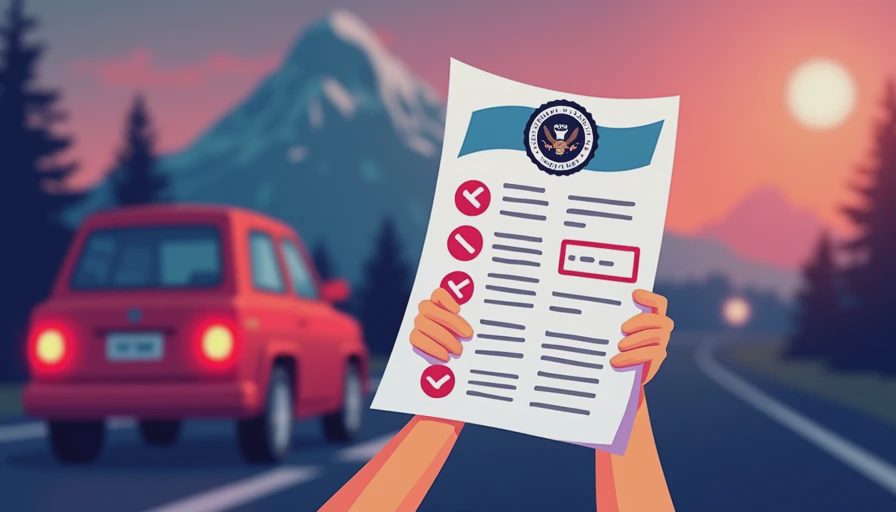
Reading the NHTSA filing carefully, what stands out is that enforcement often starts with paperwork before it becomes public. A manufacturer may submit a Part 573 Safety Recall Report. NHTSA may open a Preliminary Evaluation, then an Engineering Analysis if questions remain. Some cases end with a voluntary recall. Others escalate into consent orders or substantial penalties. The process can look slow from the outside, but it is built on documentation.
State police and inspection programs enforce different rules
Federal safety regulation is not the same thing as day-to-day traffic enforcement. State and local police do not enforce the FMVSS in the same way NHTSA does. They enforce laws on how vehicles are operated on public roads, including seat belt use, child passenger safety requirements, unsafe tires, broken lights, window tint limits, and in some states annual safety inspections.
That is an important distinction for drivers. If a pickup has defective airbags covered by a federal recall, the enforcement path usually runs through NHTSA and the manufacturer. If that same pickup is being driven with a missing brake light, bald tires, or unsecured cargo, that becomes a state or local enforcement matter.
States can also influence safety through registration and inspection systems. Some states require emissions testing only, some require safety inspections, and some require both. Those programs can catch obvious hazards, but they do not replace federal defect enforcement. In other words, asking who enforces vehicle safety regulations in the United States requires separating manufacturing compliance from on-road use.
How recalls, investigations, and penalties actually happen
Most major federal safety cases begin in one of three ways: consumer complaints, manufacturer reporting, or crash and warranty data that reveals a pattern. NHTSA reviews complaints submitted at NHTSA.gov, along with technical service bulletins, death and injury reports, field reports, and manufacturer Early Warning data.
If the evidence supports concern, ODI may open a Preliminary Evaluation. If more technical work is needed, the agency can move to an Engineering Analysis. From there, the case can end without action, result in a manufacturer recall, or lead to stronger enforcement if the company failed to report a known defect. Civil penalties in the auto safety world can reach into the millions of dollars, especially when reporting obligations are ignored.
This is why recall notices matter. A recall is not just a suggestion from a dealership service lane. It is the product of a legal framework backed by federal enforcement. If you own one of these vehicles, this week's task is simple: run your VIN through NHTSA's recall lookup tool, read the remedy status, and schedule the repair if an open recall appears.
What owners should do when safety enforcement affects their vehicle
The most useful answer to who enforces vehicle safety regulations in the United States is not just a list of agencies. It is knowing where to go when something is wrong.
**What Owners Should Do**
- Check your VIN for open recalls at NHTSA.gov.
- File a complaint with NHTSA if you experience a recurring safety defect.
- Keep repair orders, warning-light photos, tow bills, and dealer invoices.
- Ask the dealer whether recall parts are available and whether interim guidance exists.
- If a defect seems widespread, search for manufacturer customer satisfaction programs and technical service bulletins.
Here is the investigator's view: do not wait for a viral news story to confirm your concern. Repeated stalling, brake failure, airbag warnings, steering loss, and battery fire risk deserve documentation right away. Dealers fix cars; NHTSA tracks patterns. Both matter, but they do different jobs.
The bottom line for drivers shopping, insuring, and owning a car
For most consumers, NHTSA is the core answer to **who enforces vehicle safety regulations in the United States**. DOT provides oversight, manufacturers must certify and recall, state authorities enforce road-use laws, and courts can impose consequences when disputes turn legal. That structure is not always fast, but it is the framework that governs modern vehicle safety in America.
If you are shopping for a vehicle, especially a used one, check open recalls before you buy. If you are comparing insurance quotes from carriers such as Geico, Progressive, State Farm, or Allstate, remember that safety features and repair history can affect the risk profile of a vehicle, even if recall status is not priced the same way by every insurer. A safer vehicle can sometimes support better long-term ownership costs.
My advice is plain: know the agency, know your VIN, and document problems early. Here's what the data shows. Here's what owners should do.



No notes on this sheet yet.