The 2024 prius deserves a careful look from anyone who treats fuel economy and occupant protection as equally important. Toyota redesigned the Prius for the current generation, giving it a lower roofline, stronger acceleration, and a more modern cabin. Those changes are useful, but a safety-conscious buyer should examine more than the window sticker. Recall status, crash-avoidance equipment, visibility, repair costs, and insurance pricing all affect the real ownership picture.
I spent 15 years reviewing vehicle defect evidence, and the first rule remains simple: do not confuse a popular model with a risk-free model. A well-maintained hybrid can be a sensible family car, but every owner should verify the vehicle identification number, understand its driver-assistance limits, and document completed repairs.
What the 2024 prius recall record shows
The most important confirmed campaign to check is NHTSA Recall 24V-274, covering certain 2023 and 2024 Prius and Prius Prime vehicles. Toyota reported that water could enter the rear door lock mechanism and cause an electronic issue. In the affected condition, a rear door might unlatch when the vehicle was moving, increasing the risk of an occupant falling out during a crash or sudden maneuver. The reported population was approximately 55,000 vehicles in the United States.
The remedy involved a software update for the rear door lock control system at no charge. That description matters. A recall is not a suggestion to schedule service sometime next year; it is a formal safety campaign with a defined remedy. Owners should use the VIN search at NHTSA.gov/recalls or Toyota’s owner portal, then confirm with a dealer that the repair is recorded as complete. A vehicle history report alone is not enough because recall completion data can lag.
Reading the filing carefully, what stands out is the need to verify the individual vehicle rather than rely on model-year reputation. Recall populations can be limited by production dates, equipment, or assembly location. Two cars parked beside each other may have different repair histories.
Driver assistance is not a substitute for attention
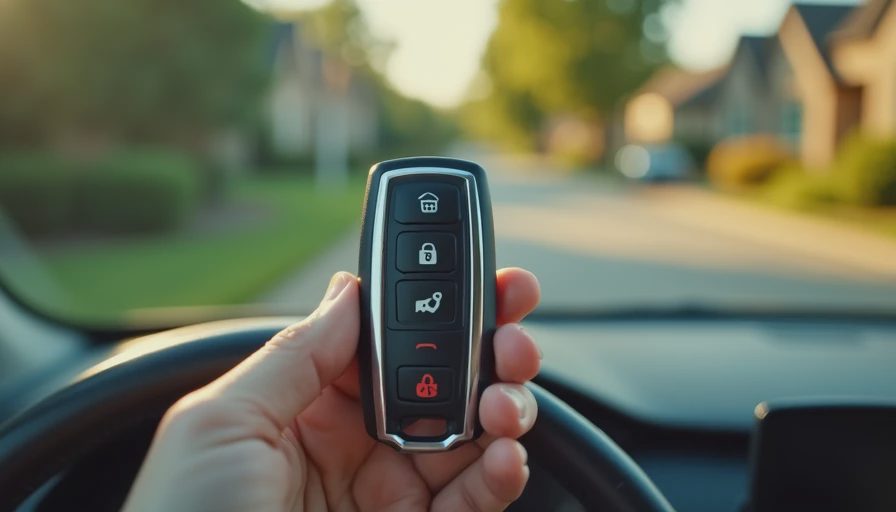
The 2024 prius typically includes Toyota Safety Sense 3.0, with features such as automatic emergency braking, lane departure alert, lane tracing assistance, adaptive cruise control, and traffic-sign recognition. These systems can reduce workload on a long commute, but they are not autonomous driving equipment. A driver remains responsible for steering, speed, lane position, and recognizing hazards the sensors cannot interpret.
In practical terms, lane-tracing assistance can struggle with faded markings, construction zones, heavy rain, snow, glare, and unusual road geometry. Automatic emergency braking may not respond correctly to every motorcycle, stopped vehicle, animal, or road obstacle. Adaptive cruise control can maintain distance while failing to understand a stopped queue beyond a curve. Keep both hands available, scan beyond the vehicle ahead, and treat warning messages as information rather than permission to disengage.
Parents should also spend time with the rear-seat belt layout, child-restraint anchors, and door controls. A short driveway test can reveal whether a child-seat installation interferes with belt access or whether rear-door operation feels awkward after the recall remedy.
Visibility, braking, and hybrid behavior
The Prius sits lower and looks sportier than earlier generations. That design improves handling and reduces aerodynamic drag, but the reduced roof height can affect entry, rear visibility, and headroom for taller passengers. Before buying, sit in every seating position and check the view through the rear glass with two adults in the back. A properly adjusted mirror and a functioning camera help, but neither replaces a shoulder check.
Hybrid braking also deserves explanation. The car blends regenerative braking with conventional friction brakes. At low speeds, the pedal feel can differ from a traditional gasoline sedan, particularly when the system transitions between regeneration and friction braking. That is not automatically a defect. However, a driver should investigate grinding, pulling, vibration, warning lights, or a pedal that feels unusually soft.
The hybrid battery is covered by Toyota’s warranty terms, which vary by component and jurisdiction. Keep service records, avoid blocking cooling vents, and ask for a written diagnosis if a warning appears. A battery concern does not mean the entire vehicle is unsafe, but ignoring a warning can turn a manageable repair into a roadside failure.
Insurance and repair-cost questions
A 2024 prius can be inexpensive to fuel while still producing insurance bills that reflect modern electronics. Cameras, radar-related components, display assemblies, sensors, and specialized hybrid parts can cost more to replace than similar pieces on an older compact sedan. A minor front-end collision may involve calibration after body work, even when the visible damage looks modest.
When requesting quotes, provide the exact trim, annual mileage, ZIP code, garaging address, and expected use. Compare liability limits first, then examine comprehensive and collision coverage. Liability pays for damage or injuries you cause to others; collision generally covers crash damage to your vehicle after the deductible; comprehensive covers non-crash events such as theft, hail, falling objects, or animal strikes. A $500 collision deductible can produce a very different premium from a $1,500 deductible.
Ask insurers whether they require original-equipment parts, how they handle hybrid components, and whether rental coverage applies during a parts delay. Geico, Progressive, State Farm, and regional carriers can price the same vehicle differently because underwriting models, discounts, repair networks, and claim histories differ. Get at least three quotes before accepting a dealer-arranged policy.
A disciplined inspection before purchase
For a used 2024 prius, begin with the VIN and a printed recall search. Next, inspect the tires for uneven wear, verify that all exterior lights work, and check the windshield for camera-area damage. Activate the backup camera, test parking sensors, and look for warning messages after the vehicle completes its startup sequence.
On the road, test smooth acceleration, regenerative braking, conventional braking, lane-assistance alerts, and cruise-control operation in a safe location. Listen for water leaks around doors and the hatch. Review maintenance invoices rather than accepting a seller’s verbal assurance. If the car was in a collision, request repair records showing that safety sensors were recalibrated.
An independent inspection is money well spent. A hybrid-qualified technician can check diagnostic codes, battery cooling, brake operation, suspension wear, and evidence of flood damage. A $150 to $300 inspection can identify problems that a short dealership test drive will miss.
What owners should do this week
If you own a 2024 prius, this week’s task is straightforward. First, run the VIN through NHTSA’s recall database and Toyota’s owner site. Second, call a Toyota dealer and ask whether Recall 24V-274 or any other open campaign applies, then obtain a repair order showing the final status. Third, contact your insurer and confirm that the policy has appropriate liability limits, comprehensive and collision coverage, rental reimbursement, and uninsured-motorist protection where available.
Save the recall confirmation, service invoices, tire receipts, and insurance declarations page in one folder. Photograph warning lights before clearing them, and record the mileage and date. If a rear door, brake system, steering system, or restraint warning appears, stop treating the matter as routine maintenance. Arrange prompt evaluation and avoid carrying passengers until the problem is understood.
The 2024 prius can be an efficient, capable vehicle, but the evidence-based buying decision is not simply “Toyota equals safe.” Verify the VIN, understand the technology, inspect the car, and price the complete insurance package. Here’s what the data shows. Here’s what owners should do.


No notes on this sheet yet.