The 2025 Subaru Outback is still one of the few mainstream choices that blends wagon-like utility, standard all-wheel drive, and a calm highway ride in one package. For a lot of drivers, that is the whole appeal. For me, the question is simpler: does the 2025 Subaru Outback give you enough safety equipment, enough cargo room, and enough real-world value to justify the trim you are being shown on the showroom floor?
Here’s what the data shows. Here’s what owners should do. Start with the basics, then work upward from there. Subaru keeps the formula familiar: a raised stance, a roomy cabin, and a shape that makes loading bikes, strollers, coolers, or a week’s worth of luggage much easier than in a lot of crossovers. If you are cross-shopping a Honda CR-V, Toyota RAV4, or Mazda CX-50, the Outback stands apart because it feels less like a tall box and more like a long-distance tool.
What the 2025 Subaru Outback still gets right
The 2025 Subaru Outback makes a strong first impression because it does not pretend to be something else. Standard all-wheel drive matters in rain, slush, and gravel driveways, and Subaru’s 8.7 inches of ground clearance gives the vehicle real everyday flexibility. That is not rock-crawling territory, but it is enough to keep a winter commute from becoming a white-knuckle event. Buyers who want more trail clearance can look at the Wilderness trim, which pushes that number higher and adds a more rugged setup.
Under the hood, the base engine is the familiar 2.5-liter four-cylinder, while higher trims offer the turbocharged 2.4-liter if you want more passing power. The turbo version is the one I would want for long interstate runs with a full cabin or a trailer behind it. The base engine is fine for commuting and school runs, but it will not win many arguments when you are merging uphill with two passengers and a cargo area full of gear.
The 2025 Subaru Outback also benefits from a body style that still makes sense for families who care about loading height and rear visibility. You sit a little lower than in some crossovers, and that usually makes the vehicle feel less top-heavy. That matters more than glossy marketing ever admits.
Trim pricing and the options trap
Pricing is where the 2025 Subaru Outback can either make sense or quietly drift out of reach. In today’s market, you will often see it start in the low $30,000s and climb into the low $40,000s as you move through trims and add packages. That range is normal for a well-equipped compact-to-midsize utility vehicle, but it gets expensive fast once the dealer starts stacking convenience options, destination charges, and appearance items.
Subaru’s trim strategy is straightforward: more comfort, better audio, more driver assistance, and nicer materials as you climb. The danger is assuming one trim level is only a few dollars apart from the next. A jump of $2,000 to $4,000 can be easy to justify on paper, then painful once tax, title, and a 60- or 72-month loan are added. On a longer loan, a trim priced in the high $30,000s can still land you in the mid-$600s per month before insurance and fuel, depending on rate and money down.
This is where the 2025 Subaru Outback rewards disciplined shopping. Ask for the window sticker, not the sales pitch. Look at the exact package code, not the line item the salesperson keeps repeating. If you need heated seats, a power liftgate, or a better sound system, pay for those items only if you will use them every week.
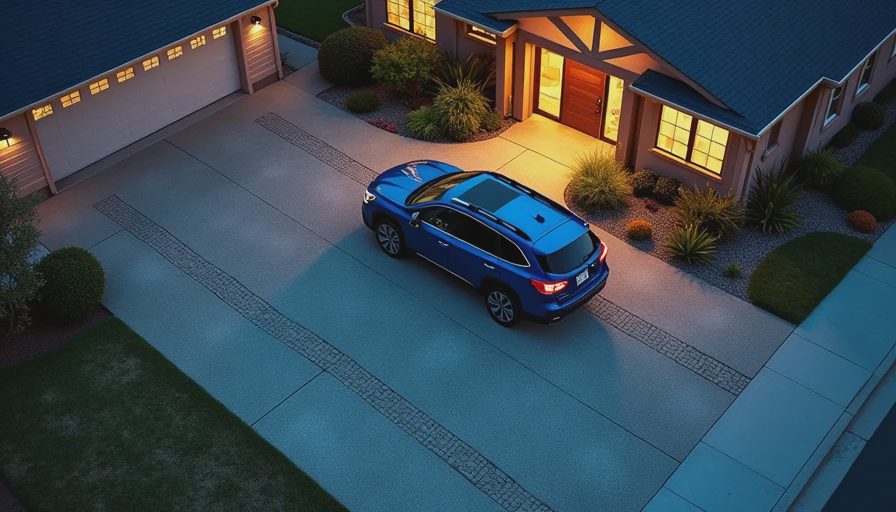
Safety gear that matters more than brochures
The 2025 Subaru Outback is strongest when you look past the glossy trim names and focus on the safety hardware. Subaru’s EyeSight driver-assist suite is the core feature to study. Depending on trim, it can bundle automatic emergency braking, adaptive cruise control, lane-departure warnings, and lane-centering support. That combination is not a substitute for attention, but it does reduce fatigue on long drives and gives a cautious driver a useful second layer of protection.
I also tell buyers to pay attention to features that are easy to miss on a test drive. Blind-spot monitoring, rear cross-traffic alerts, and a good backup camera matter in daily life far more than decorative wheels or stitched dash trim. If you routinely carry kids, check the rear-seat access, latch anchors, and whether the cargo area lets you load a stroller without a wrestling match. That is the kind of practical detail that separates a smart purchase from an expensive mistake.
The 2025 Subaru Outback does not need a dramatic sales argument to earn its place. It needs a buyer who understands how much of the safety equipment is standard on the trim being offered and how much is hidden behind packages. Read the sticker. Then read it again.
Highway manners, winter use, and fuel reality
On the road, the Outback’s personality is steady rather than flashy. The suspension is tuned for comfort, so broken pavement and expansion joints are handled better than in many firmer crossovers. The steering is not sporty, but it is predictable, and that is what most owners actually want when they are driving on wet highways or crowded suburban arterials. If your commute is mostly interstate, the base powertrain is enough for relaxed driving. If you spend a lot of time passing on two-lane roads, the turbo earns its keep.
Winter buyers should keep one fact in mind: all-wheel drive helps you go, but winter tires help you stop and turn. That distinction saves money and prevents overconfidence. A well-set-up 2025 Subaru Outback with proper tires will feel far more secure in January than a heavier SUV on all-seasons.
Fuel economy is respectable, but not segment-leading, and that is part of the tradeoff. The shape, the clearance, and the all-wheel-drive system all have a cost. If your daily life is mostly short errands and urban parking, you may want a smaller vehicle. If your routine includes weather, cargo, and long drives, the package starts to make sense.
What I would inspect before signing
If I were buying the 2025 Subaru Outback, I would spend my test drive on three things: seat comfort, visibility, and throttle response. Sit in the driver’s seat long enough to find out whether the lower hip point works for your back and knees. Drive over rough pavement to see whether the cabin noise level bothers you. Then test the acceleration from a rolling merge, because that is where weak powertrains usually reveal themselves.
I would also open the liftgate and measure the cargo space with my own eyes, not a brochure chart. A flat load floor, useful tie-downs, and a wide opening matter when you are hauling sports gear or home-improvement supplies. Finally, I would ask the dealer to explain every feature on the car in plain language. If the answer gets vague, that usually means the package was designed to confuse, not help.
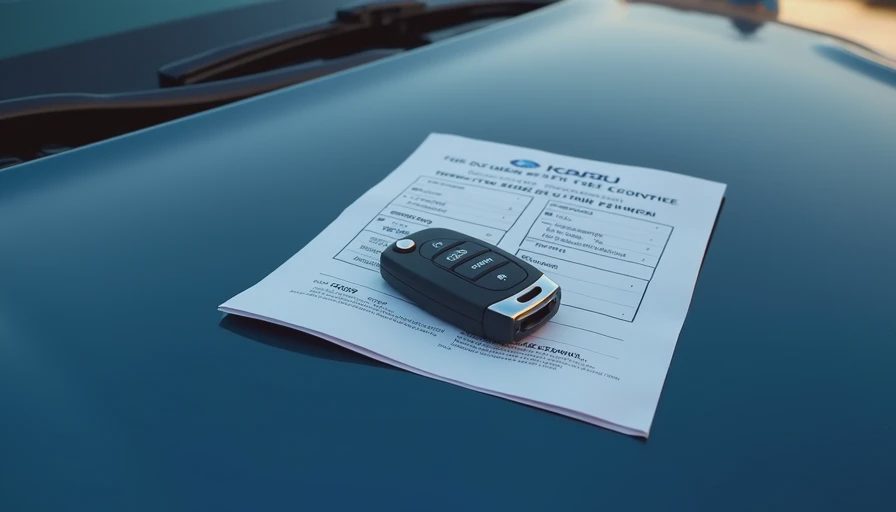
The 2025 Subaru Outback is not the cheapest way to buy an all-wheel-drive family vehicle, but it remains one of the most sensible. It is practical, easy to live with, and strong on the details that matter after the sales gloss fades. If you are shopping the 2025 Subaru Outback, compare at least two trims, get a written out-the-door quote, and decide whether the safety and utility are worth the monthly payment before you ever sit down to finance.
That is the real purchase test. If the numbers work and the seat fits your life, the vehicle does its job quietly and well. If not, keep shopping until the sheet metal matches the math.

No notes on this sheet yet.