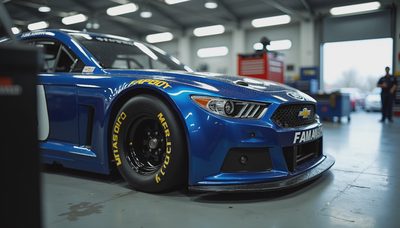
If you are tracking **F1 news 2026**, the real story is not a single driver rumor or one launch event. The bigger issue is a full rules reset that will change how the cars are powered, how they produce downforce, and how teams spend the next two seasons preparing. From a consumer-journalism standpoint, this is the part worth watching: when a sport rewrites its technical rulebook, the public gets polished headlines while the meaningful signals sit in the details. Here's what the data shows. Here's what owners should do — or in this case, what fans should watch.
Why 2026 is a genuine reset, not a routine season update
Formula 1 changes technical rules all the time, but 2026 is different because the power unit and chassis direction are both moving at once. That matters. The next generation of engines is expected to keep the V6 turbo-hybrid layout, but with a larger electrical contribution and a stronger emphasis on sustainable fuel. In plain English, teams will need to rethink cooling, packaging, deployment strategy, and reliability all at the same time.
For fans reading **F1 news 2026**, the easiest mistake is to focus only on who signs where. Personnel moves matter, but they are downstream from the engineering challenge. A team with a stable structure and a strong power unit partner can gain a major advantage before the first race is even run. We have seen versions of that pattern before in F1: when regulations shift, some teams interpret the rulebook better, and others spend half a season catching up.
This is why I read technical updates more carefully than launch slogans. Reading the regulations closely, what stands out is how much 2026 could reward integration rather than raw peak speed alone.
Power units, sustainable fuel, and the manufacturers that matter
A big reason **F1 news 2026** is drawing attention well beyond the usual fan base is the manufacturer lineup. Audi is entering the sport, Ford is returning through a Red Bull powertrain partnership, and established players like Mercedes, Ferrari, and Honda-linked programs remain central to the grid's future. When major brands commit to a rules cycle, it usually signals they see long-term technical or marketing value.
The most important development is not simply that hybrid power stays. It is that the electrical side is expected to become more influential, while sustainable fuel becomes a headline issue for the internal-combustion portion. That creates a different balancing act than today's cars. Teams and manufacturers will be judged on energy recovery, drivability, deployment, and durability under race conditions.
For American readers, there is a useful parallel with road-car development. Racing rule changes often preview where manufacturers want to position themselves publicly: more efficiency, cleaner fuel messaging, and advanced hybrid credibility. That does not mean an F1 power unit becomes a family sedan engine. It does mean the engineering story in **F1 news 2026** will likely be more relevant to automakers' public strategy than many casual fans realize.
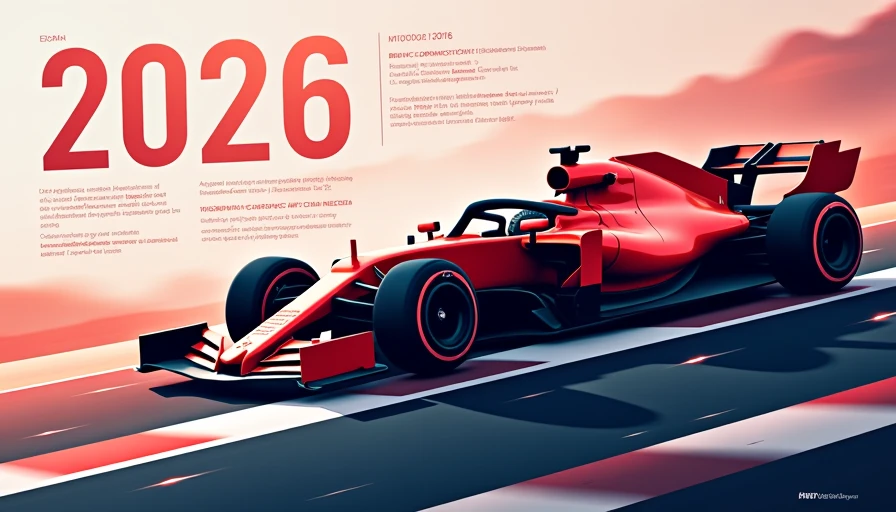
Active aerodynamics could reshape racing more than the headlines suggest
The other major part of **F1 news 2026** is aerodynamics. Formula 1 has signaled that active aero systems will play a larger role, with cars expected to shift configuration depending on the phase of the lap. If that sounds dramatic, it is. Aerodynamics determine straight-line speed, braking stability, tire behavior, and how closely one car can follow another.
What matters here is not just whether the cars look different. It is whether the new setup produces cleaner racing without creating fresh complexity that only the richest teams can exploit fastest. That is always the tension with a major technical reset. Regulators want better competition and better efficiency. Teams want legal performance gains. Engineers will push every gray area they can find.
From an investigator's perspective, the key question is straightforward: will the rules reduce the dirty-air problem enough to improve overtaking consistently? If they do, 2026 could produce a better on-track product. If they do not, then some of the loudest pre-season **F1 news 2026** coverage will age poorly by race three.
Fans should also watch car weight and tire management. Even smart aero concepts can disappoint if the cars remain too heavy or too sensitive in traffic.
Driver market noise matters less than team readiness
Every future-facing F1 cycle produces a flood of contract stories, and **F1 news 2026** will be no exception. Some of that reporting will matter. Most of it will be noise. In a major rule-change era, the more important question is whether a team has organizational stability: technical leadership, simulator quality, development discipline, and a power unit package that does not force compromise in the chassis.
A great driver can absolutely tilt a close fight. But if one car starts the season three tenths clear on average because the concept is more efficient and more reliable, that gap is hard to erase. I would put more weight on engineering continuity than on winter headlines about momentum.
This is also where new or restructured alliances deserve scrutiny. A manufacturer entry sounds exciting, but factory backing does not guarantee instant front-running performance. History says first-year and early-cycle execution matters more than branding. For readers following **F1 news 2026**, the useful filter is simple: ask what evidence supports the claim. Wind-tunnel confidence? Dyno reliability? Clean packaging? Or just a polished press release?

What U.S. fans should watch as 2026 gets closer
For American fans, **F1 news 2026** lands at a time when the sport has a larger footprint than it did a decade ago. More races in the U.S., broader streaming access, and stronger manufacturer recognition have brought in viewers who want more than social-media snippets. That makes this a good time to follow the structural story, not just the weekend spectacle.
If you want the useful checklist, here it is: monitor manufacturer readiness, pre-season reliability, and how teams talk about energy deployment rather than only top speed. Pay attention to whether technical insiders discuss cooling, weight, and aero efficiency. Those are often early indicators of who truly understands a new rules package.
What owners should do becomes what fans should do: skip rumor overload and read for patterns. If one team repeatedly reports smooth systems integration while another talks around reliability, take note. If active aero explanations stay vague, that usually means the competitive picture is still unsettled.
My view is simple. The best **F1 news 2026** is not the loudest item in your feed. It is the reporting that explains why these new cars could change the competitive order for years. That is the story worth following now, before the lights ever go out on the first race.