A Tesla is not simply another commuter car with a battery under the floor. Its software, sensors, high-voltage system, aluminum body panels, and repair network change the safety and insurance conversation. If you own a Tesla, shop for one, or are helping a family member evaluate one, the important questions involve more than range and acceleration. You need to understand recall status, driver-assistance limits, collision coverage, repair costs, and what happens after a crash.
I spent 15 years reviewing vehicle safety investigations, and my approach remains straightforward: separate documented defects from online speculation, then give owners practical steps. Here's what the data shows. Here's what owners should do.
Start with the Vehicle Identification Number
The first step for any Tesla owner is a VIN-based recall search. A model name and production year are not enough because recalls often apply to a defined manufacturing population, software version, component supplier, or production window. Enter the 17-character VIN into the official NHTSA recall tool and compare the result with Tesla's owner support information. Save a screenshot showing the date you checked and any open campaign number.
A recall does not automatically mean the vehicle is unsafe to drive in every situation, but it does mean a safety-related defect or noncompliance has been identified and a remedy is required. The remedy could involve a software update, inspection, replacement part, or another repair. Recall work is generally performed without charge by an authorized service provider. Do not confuse a recall with a warranty bulletin or a customer complaint; those categories have different legal and practical implications.
Reading the filing carefully matters. Look for the defect description, affected population, remedy, owner notification date, and interim instructions. If the notice says to stop driving, avoid charging, or park outdoors, treat that instruction as the controlling guidance. Do not rely on a social-media summary when an official filing is available.
Driver assistance is not autonomous driving
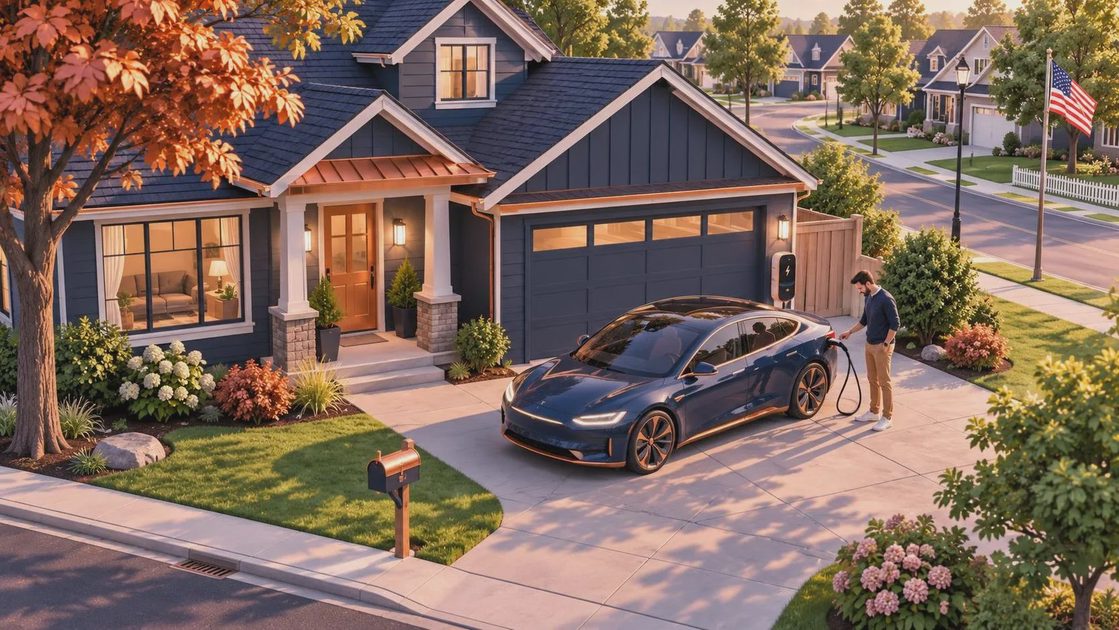
Tesla markets advanced driver-assistance features, but the driver remains responsible for monitoring the road and controlling the vehicle. Names such as Autopilot and Full Self-Driving do not turn a passenger vehicle into an autonomous taxi. A driver must keep attention on traffic, be prepared to brake, and understand that lane markings, construction zones, weather, lighting, and unusual road layouts can challenge automated systems.
That distinction also matters after a crash. A driver who tells an insurer that a system was engaged is not transferring responsibility to the manufacturer. The claim will still involve the driver's account, police documentation, available camera footage, vehicle data, and the policy language. Preserve your own evidence. Photograph the roadway, signs, lane markings, vehicle damage, and any warning messages before repairs or data are overwritten.
I recommend that owners read the driver-assistance manual rather than relying on a delivery demonstration. Pay particular attention to hands-on monitoring, speed restrictions, system limitations, and disengagement warnings. Safety technology can reduce workload in the right conditions, but it does not remove the need for an alert human driver.
Why insurance quotes can be higher
Tesla insurance pricing can differ sharply from quotes for a similarly priced gasoline vehicle. Insurers consider the vehicle's replacement cost, battery and sensor components, labor availability, calibration requirements, theft history, driving record, location, annual mileage, credit-based insurance score where permitted, and selected deductibles. A minor-looking front-end collision can damage cameras, radar-related equipment, wiring, cooling components, or structural parts behind a bumper.
Coverage limits deserve more attention than the monthly premium. Liability coverage pays for injuries or property damage you cause to others, subject to your policy limits. Collision coverage addresses damage to your vehicle from a crash, while comprehensive coverage generally addresses non-collision events such as theft, hail, falling objects, or fire. Both collision and comprehensive usually carry deductibles. If the vehicle is financed or leased, the lender will normally require physical damage coverage.
Ask each insurer how it handles original equipment parts, battery damage, diminished value, rental transportation, glass, and total-loss valuation. A $1,000 deductible might reduce the premium, but it also means bringing that amount to a covered repair. Compare the full six-month or annual cost, not just a teaser quote.
Repair decisions can affect the claim
After a collision, use the insurer's claim process promptly and ask where the vehicle may be inspected. Some repairs require specialized high-voltage training, manufacturer procedures, structural measurement, or sensor calibration. A shop that can replace a conventional bumper is not automatically equipped to evaluate a damaged battery enclosure or verify camera alignment.
Do not authorize an expensive teardown based only on a verbal estimate. Request a written estimate identifying parts, labor, calibration, and any diagnostic work. If the first estimate changes, ask why. Supplementary damage is common after disassembly, but every added operation should be documented. Keep tow receipts, storage charges, rental records, photographs, and communications in one file.
If an adjuster declares the Tesla a total loss, review the valuation for correct trim, mileage, options, condition, and comparable vehicles. Remove personal data from the vehicle and preserve charging equipment, keys, and paperwork until the settlement process is complete. If you disagree with the valuation, provide comparable listings and maintenance records rather than making an unsupported demand.
Battery safety and charging habits
High-voltage batteries are engineered with multiple protections, yet crash damage and improper charging practices still deserve respect. After a serious collision, unusual heat, smoke, hissing, chemical odor, or repeated warning messages, move away from the vehicle when safe and call emergency services. Do not touch damaged orange cables or attempt a battery repair at home. A vehicle that appears quiet after a crash may still require professional evaluation.
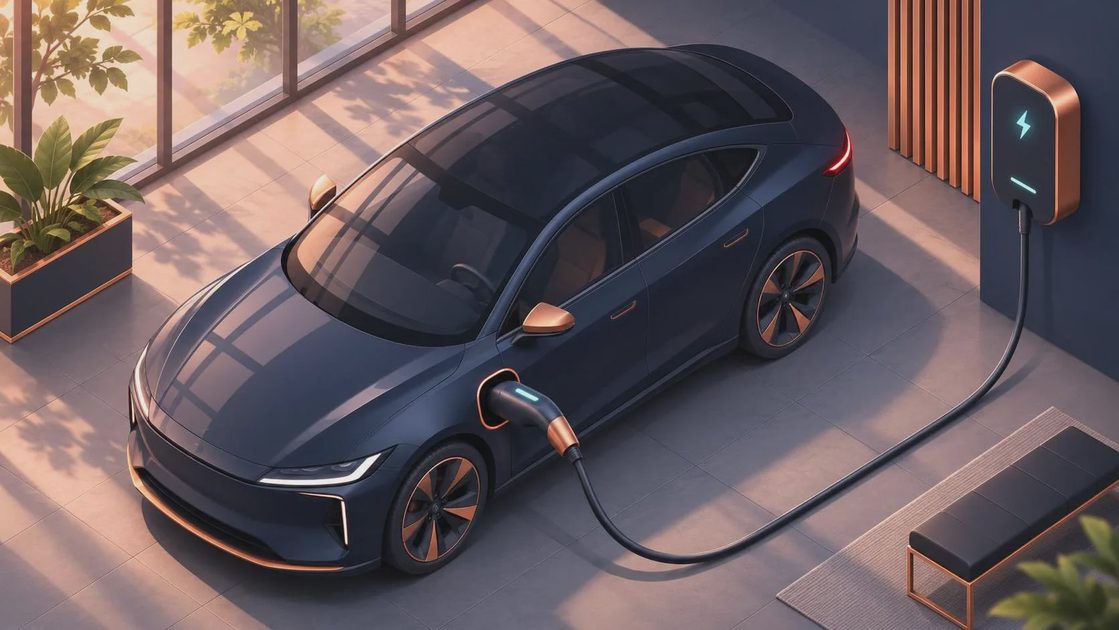
For routine charging, follow the owner's manual and use properly installed equipment. Avoid damaged cords, improvised adapters, and extension cords that are not rated for the load. Keep charging equipment dry and stop using a connector that becomes unusually hot, discolored, or damaged. A home electrician can evaluate the circuit and installation before a high-power wall charger is added.
Insurance does not replace safe behavior. Comprehensive coverage can address some fire or weather losses, but policy exclusions, deductibles, and claim facts control the outcome. Photograph a charging setup after installation and keep receipts for qualified electrical work.
A practical buying and coverage checklist
Before buying a Tesla, obtain insurance quotes using the exact VIN or a comparable vehicle identification number. Confirm the deductible, liability limits, rental benefit, glass treatment, roadside assistance, and total-loss provisions. Ask whether the carrier has a repair network capable of handling high-voltage vehicles in your area. A policy that is $18 cheaper per month may be a poor bargain if rental coverage is inadequate during a long repair.
After purchase, register the vehicle, create accounts needed for service notifications, and check recalls immediately. Photograph the vehicle's condition, record the mileage, and save the purchase agreement, delivery documents, and service history. If you move, change your commute, add a driver, or begin using the car for business, update the policy before a loss occurs.
For a Tesla already involved in a crash, the week's task is simple: protect people first, document the scene, report the claim, and avoid unsafe repairs. For a prospective buyer, the task is equally clear: obtain the VIN, verify recall status, and compare complete coverage before signing. The badge is not the evidence. The filing, policy, inspection, and repair record are.
When the facts are documented, ownership becomes much less confusing. Tesla technology can be useful, but informed drivers still need ordinary precautions, realistic insurance limits, and a disciplined response to recalls and collisions.

No notes on this sheet yet.