An auto parts store can solve a problem quickly, but speed should not replace verification. A wrong brake component, airbag sensor, tire-pressure valve, or steering part can create a safety issue that is not obvious from the packaging. After years reviewing vehicle defects, I learned that the important question is not simply whether a part fits. It is whether the part performs as required, can be traced to a legitimate supplier, and is installed correctly.
The same standard applies when you visit an auto parts store for a battery, filter, belt, or collision-repair component. Here's what the data shows. Here's what owners should do: identify the exact vehicle, confirm the part number, preserve the paperwork, and treat safety-critical components differently from routine maintenance items.
Start With the Exact Vehicle Information
A 2018 Ford Escape can have different engines, transmissions, braking systems, and electrical configurations. A generic lookup based only on year, make, and model may return several possible parts. Before buying, record the vehicle identification number, engine size, trim level, drivetrain, and production date. The VIN is especially useful when a model changed equipment during the same model year.
Take the old part with you when practical, but do not assume visual similarity proves compatibility. A battery may have the same dimensions while offering the wrong cold-cranking rating. A brake pad may fit the caliper but use a different friction formulation. A cabin filter can slide into place while failing to seal around the frame.
Ask the counter representative to confirm the part number, application notes, and return policy. Save a screenshot or printout of the vehicle-fitment result. If an online listing says “fits most models,” treat that as a starting point, not proof. For sensors, suspension parts, brake hardware, and engine-control components, an exact catalog match is worth the extra few minutes.
A reputable auto parts store should be able to explain whether a component is original equipment, an aftermarket replacement, remanufactured, or used. Those categories are not interchangeable, and the price difference often reflects materials, testing, warranty coverage, and quality control.

Know Which Parts Carry the Greatest Risk
Not every replacement deserves the same level of scrutiny. Oil filters, wiper blades, and floor mats still need to fit properly, but a mismatch usually creates inconvenience before immediate loss of vehicle control. Brakes, tires, wheel studs, steering components, airbags, seat belts, child-seat anchors, fuel-system parts, and electronic stability-control sensors deserve a higher threshold.
For brake work, compare more than the pad shape. Inspect rotor condition, caliper operation, brake-fluid age, hardware, and the manufacturer’s installation instructions. A low-cost pad will not correct a seized caliper or badly worn rotor. Likewise, a new tire should match the vehicle’s required size, load index, and speed rating. Mixing incompatible tires can change handling during emergency braking or wet-road maneuvers.
Be cautious with salvaged safety equipment. A used airbag may look intact after a collision but have unknown deployment history, storage damage, or missing components. A used seat belt retractor can have a hidden pretensioner issue. I would not treat these parts like ordinary used hardware. For restraint-system repairs, a qualified repair facility and documented sourcing are more important than saving $50 or $100.
When a part affects emissions or onboard diagnostics, avoid defeating the system with an unapproved workaround. A warning light is evidence that the vehicle detected a condition requiring attention. Clearing the code without diagnosing the cause can hide a problem that later affects drivability, emissions, or resale value.
How Parts Choices Affect Insurance Claims
Insurance generally responds to covered damage, not to every mechanical failure. If a collision damages a bumper, headlamp, radiator, or suspension component, the insurer and repair shop may discuss original-equipment, aftermarket, or recycled parts. The available choices depend on the policy, vehicle age, repair estimate, state requirements, and the terms of the claim.
That is why receipts from an auto parts store matter. Keep the invoice, part number, warranty, installation date, mileage, and the name of the installer. Photograph the damaged component before removal when it is safe to do so. These records can help establish what was replaced and when, particularly if a later failure is blamed on an earlier repair.
Do not assume that buying an expensive branded part automatically increases a claim payment. Collision coverage usually addresses the covered loss and reasonable repair, subject to the deductible and policy terms. Comprehensive coverage typically applies to non-collision events such as theft, hail, or animal impact, not ordinary wear. Liability coverage pays for damage or injuries the insured driver causes to others; it does not function as a maintenance plan for the insured vehicle.
If a shop recommends a substitute, ask whether it is certified, warrantied, and approved for the application. Put the answer in writing. A clear paper trail is more useful than a verbal promise made at a busy counter.
Spot Recall and Counterfeit-Part Warning Signs
Before installing a component, search the vehicle’s VIN through the National Highway Traffic Safety Administration recall database and review the manufacturer’s safety notices. A recall remedy is normally performed by an authorized dealer at no charge, so purchasing a replacement part yourself may waste money or leave the underlying defect unresolved. A recall notice can also identify the exact component and failure condition involved.
Watch for packaging that is misspelled, poorly sealed, missing a batch number, or inconsistent with the manufacturer’s normal labeling. Counterfeit filters, brake components, sensors, and electrical parts can enter online marketplaces and informal supply chains. An unusually low price is not proof of fraud, but it should trigger additional questions about origin and warranty.
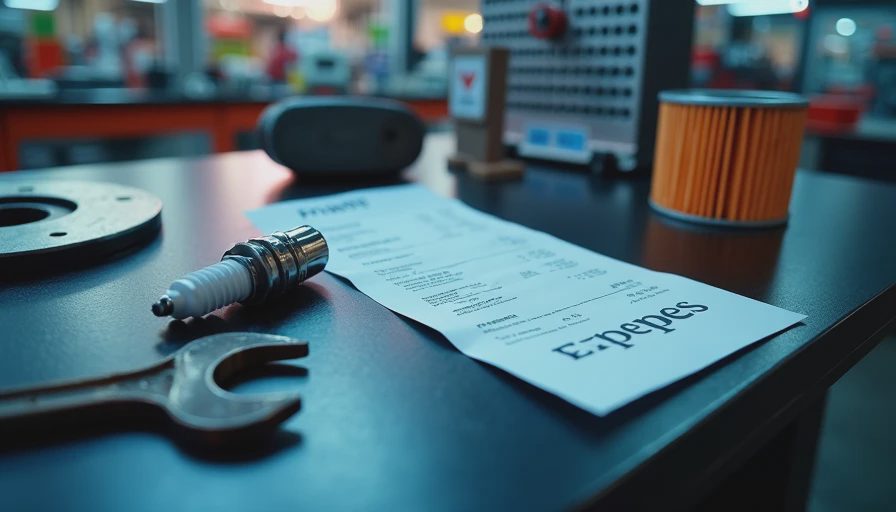
At an auto parts store, request a dated receipt that identifies the actual brand and part number. For online purchases, save the product page and seller information before the listing changes. If a critical component arrives with damaged packaging or no traceable manufacturer information, do not install it simply because returning it is inconvenient.
If a newly installed part fails, stop driving when continued operation could create danger. Document the symptoms, warning lights, mileage, and conditions. Do not discard the failed part until the seller, repair facility, or insurer has had a reasonable opportunity to inspect it. That evidence can matter in a warranty dispute or product-liability investigation.
A Practical Buying Procedure for Drivers
Begin with a written diagnosis, not a shopping trip. Confirm the symptom and obtain a fault code or inspection result when appropriate. Then compare the vehicle information with the catalog listing. Ask whether the replacement includes required clips, gaskets, sensors, seals, or programming. Some modern components require calibration after installation, especially cameras, radar units, and steering-angle sensors.
Next, compare total cost rather than shelf price. A $120 part that needs a $150 programming charge may cost more than a $180 component supplied and configured by a qualified shop. Factor in shipping, core deposits for remanufactured parts, tool rental, and the cost of repeating the repair if the first component is wrong.
Finally, review the warranty limitations. A warranty may cover the part but exclude labor, towing, diagnostic time, or damage caused by incorrect installation. Keep all receipts together with maintenance records. This small habit strengthens a resale file and gives an insurer or warranty administrator facts instead of guesses.
What Owners Should Do Next
If you need a part today, write down the VIN, engine, trim, and exact symptom before entering an auto parts store. For routine maintenance, compare reputable brands and follow the vehicle manufacturer’s specifications. For brakes, steering, restraints, tires, fuel systems, and driver-assistance equipment, use a qualified technician when the job requires specialized tools or calibration.
Read every recall notice that applies to your vehicle, and do not pay for a remedy that an authorized dealer is required to provide without charge. After any collision repair, ask what part type was installed and retain the estimate, invoice, and photographs. Then review your auto insurance coverage, deductible, rental provisions, and parts-related language before the next loss occurs.
An auto parts store is a useful resource, not a substitute for diagnosis or safety judgment. The cheapest component is not always the lowest-cost decision if it fails, damages another system, or complicates a claim. Filing number, exact range, three concrete steps: verify the application, document the transaction, and stop when the safety evidence is incomplete.



No notes on this sheet yet.