If you're shopping for a safe vehicle, you need to know **what are the new IIHS crash test standards for 2026**. These updated protocols represent the most significant overhaul in the Insurance Institute for Highway Safety's testing program in a decade. As a former NHTSA investigator, I've tracked these changes closely, and they're designed to push manufacturers toward better occupant protection in real-world crashes. Here's what the data shows, and what you should do to stay ahead.
The Institute announced earlier this year that starting in 2026, it will introduce tougher requirements for the driver-side small overlap front test, add a new passenger-side version, and raise the bar for head restraint and seat belt reminders. The goal is to address crash types that still cause high fatality rates despite current standards. Let's break down each change.

Understanding the Updates: What Are the New IIHS Crash Test Standards for 2026?
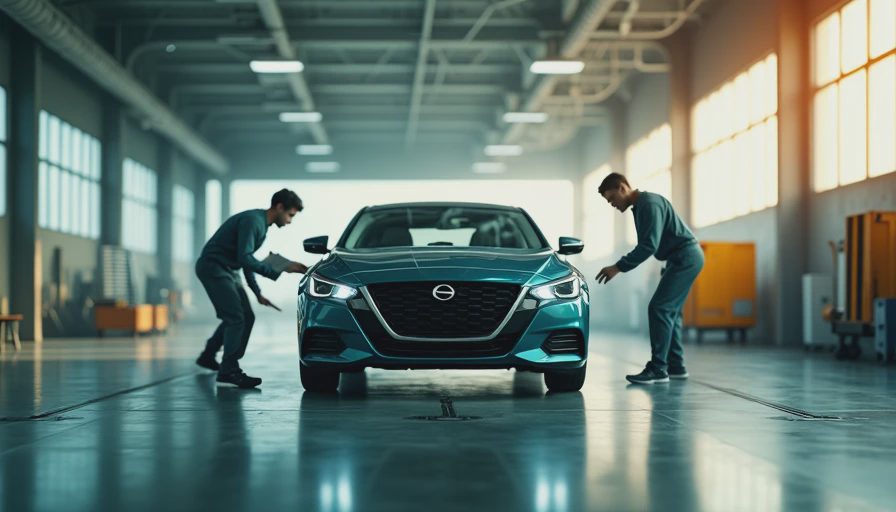
The core of the 2026 changes centers on the small overlap front crash test. This test simulates a collision where only 25% of the front end strikes a rigid barrier—common in off-set front impacts. Previously, only the driver side was tested. Now, both driver and passenger sides must earn good ratings for a vehicle to qualify for the Top Safety Pick+ award. **What are the new IIHS crash test standards for 2026** in detail? For the passenger side, the dummy must record low injury measures across the head, neck, chest, thigh, and lower leg. Also, the structural performance must allow no more than 5 inches of steering wheel intrusion. This is a significant jump from the current requirement, which only mandated good performance on the driver side.
Additionally, the side crash test will become more demanding. The moving deformable barrier will be heavier and strike at a higher speed—from 31 mph to 37 mph. This change reflects real-world data showing that many serious side impacts occur at higher speeds. The new standards also tighten the acceptable injury criteria for the head, chest, and abdomen. Manufacturers will need to redesign side airbags and door structures to maintain top ratings.
How the New Standards Affect Vehicle Safety Ratings
With these changes, many current top-rated vehicles may not achieve the same high marks. **What are the new IIHS crash test standards for 2026** meaning for automakers? They'll need to invest in stronger passenger-side structures and advanced airbag designs. For consumers, that means the safety ratings you rely on today could shift. A model that earns a Top Safety Pick+ in 2025 might drop to a standard Top Safety Pick or even lower in 2026 if it fails the new passenger-side small overlap test.
To earn the 2026 Top Safety Pick+ award, vehicles must also come equipped with a high-quality headlight system that provides adequate illumination without glare, and a front crash prevention system that earns advanced or superior ratings in daytime and nighttime pedestrian tests. These requirements are already in place, but the 2026 updates add the passenger-side small overlap good rating as mandatory.
The data from IIHS internal testing suggests that approximately 70% of current models would fail the passenger-side small overlap test if held to the new standards. That's a wake-up call for buyers who assume a 2025 rating guarantees safety through the next few years.
What Car Buyers Need to Do Now
If you're planning to purchase a new vehicle in the coming years, you need to pay close attention to when the 2026 standards take effect. For the 2026 model year (which arrives in late 2025), vehicles could be tested under both old and new protocols depending on when IIHS publishes its ratings. Here's what owners should do:
- Check the test date: Look for ratings issued after January 2026 to ensure they use the updated protocols.
- Focus on passenger-side performance: Ask your dealer about passenger-side small overlap results. If the data isn't public yet, assume older models may not have it.
- Prioritize vehicles already built for 2026: Some manufacturers are ahead of the curve. Models like the Honda Accord and Subaru Outback have already shown strong passenger-side performance in pre-2026 testing.
**What are the new IIHS crash test standards for 2026** ultimately mean for your family's safety: they're a step forward. Knowing these changes can help you choose a car that will remain safe for years to come.
Preparing for the 2026 Safety Landscape
As an auto safety investigator, I encourage drivers to treat IIHS ratings as living documents. The 2026 update is not the final word; the Institute has hinted at even tougher pedestrian crash prevention and back-seat occupant protection criteria in the pipeline. But for now, understanding **what are the new IIHS crash test standards for 2026** gives you an edge in the market.
When you visit dealer lots, ask for the most recent IIHS test results. If the dealer can't produce them, you can find them on IIHS's website or through the vehicle's VIN. Remember, the cheapest safety investment is the one made at the time of purchase. Buy a vehicle that meets the 2026 standards today, and you'll avoid the safety uncertainty that comes with outdated test regimes.
Here's the bottom line from the data: the 2026 IIHS crash test standards will save lives. They close loopholes that have existed for too long in the small overlap test and force automakers to improve protection for both front-seat occupants. And as always: reading the federal data carefully, what stands out is that these changes are grounded in real-world crash patterns. So arm yourself with this knowledge before you sign on the dotted line.
*— Tom Hargrove, Pedal Diaries*


No notes on this sheet yet.