Car seat safety regulations are not just paperwork buried in federal code. They shape how child restraints are tested, labeled, installed, and used in everyday vehicles across the United States. If you are transporting a child, these rules matter because the gap between a correct installation and a loose or mismatched seat can be the difference between protection and failure in a crash. Here's what the data shows. Here's what owners should do.
The federal rules that set the baseline
In the U.S., the core federal framework for child restraints comes from the National Highway Traffic Safety Administration, primarily through Federal Motor Vehicle Safety Standard 213, commonly called FMVSS 213. That rule sets performance requirements for child restraint systems used in motor vehicles and aircraft. In plain English, it means a car seat sold legally in the U.S. must meet testing standards for crash performance, buckle release, labeling, and instructions.
That federal baseline matters because it gives consumers one minimum standard across brands such as Graco, Britax, Chicco, Evenflo, and Safety 1st. It does not mean every seat fits every child or every vehicle equally well. Reading the NHTSA rules carefully, what stands out is that compliance is about the seat meeting a safety standard when used as directed. Misuse is still a major problem. A seat can be compliant and still protect poorly if the harness is loose, the angle is wrong, or the seat is installed with incompatible hardware.
Federal law also requires manufacturers to provide registration cards and track recalls. That is not a minor detail. When a defect affects a harness adjuster, chest clip, or seat base, owners need a fast path to notice and remedy.
State laws are different from best practice
One of the most common sources of confusion around car seat safety regulations is the difference between state law and best safety practice. State laws usually set the minimum legal requirement: rear-facing up to a certain age, forward-facing after that, booster requirements by height, weight, or age, and when a child may use an adult seat belt alone. But those laws vary from state to state, and some lag behind current safety recommendations.
Best practice is more conservative. Safety technicians and pediatric guidance generally support keeping children rear-facing as long as the seat allows, then forward-facing in a harness until the child outgrows that stage, and then using a booster until the vehicle belt fits properly. Legal does not always mean optimal.
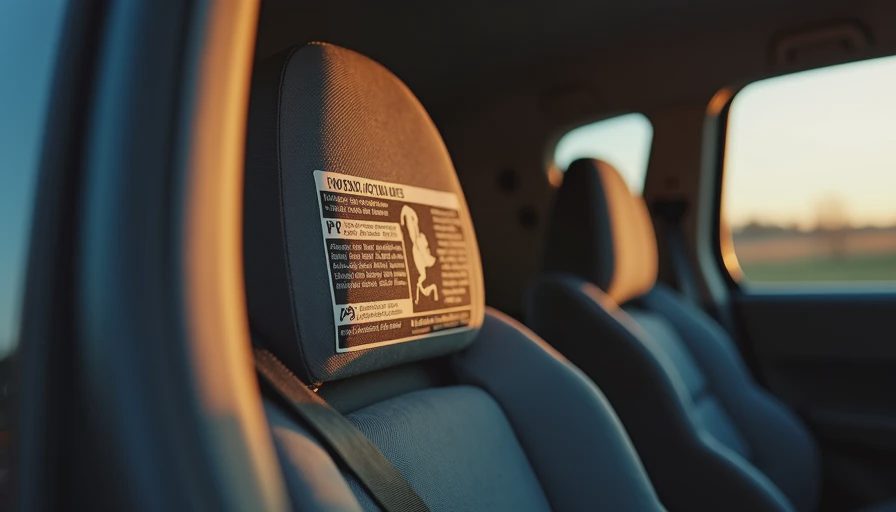
If you drive across state lines, the practical move is simple: follow the car seat manufacturer instructions and the stricter standard when there is a conflict. That approach usually keeps a family on safer ground. If you are shopping for coverage after adding a child seat to a vehicle, it is also a good time to review auto insurance options. Carriers like State Farm, Geico, Progressive, and Allstate often make it easy to update household vehicle use, and quote differences of $25 to $80 per month are common when a driver bundles policies or adjusts coverage.
Installation rules matter as much as the seat itself
A compliant seat is only half the equation. The installation system matters just as much. Most newer vehicles provide lower anchors and tether anchors through the LATCH system, but LATCH is not automatically safer than a seat belt installation. The correct rule is to use the method allowed by both the vehicle manual and the child restraint manual. Some seats permit lower anchors only up to a combined child-plus-seat weight limit, after which the belt must be used instead.
Top tether use on forward-facing seats is especially important because it reduces forward head movement in a crash. In investigation work, I saw misuse patterns repeat over and over: twisted belts, loose installations, missing tethers, and children moved to boosters too early. Those are not technicalities. They are risk multipliers.
Filing number, exact range, three concrete steps: while this is not a recall article tied to one NHTSA campaign, the same discipline applies. First, check the labels on the seat for height and weight limits. Second, check your vehicle manual for child restraint sections, not just the generic seat belt pages. Third, schedule a seat inspection with a certified Child Passenger Safety Technician if you are unsure. Many fire departments, hospitals, and community safety events offer this at no cost.
Recalls, expiration dates, and secondhand seats
Car seat safety regulations also intersect with product lifecycle issues that many parents overlook. Child seats are routinely recalled for problems involving harness webbing, buckle function, shell cracking, or incorrect labels and instructions. Registering the seat is the fastest way to get recall notice, but owners should also search NHTSA recall databases directly if they bought the seat used or received it from a relative.
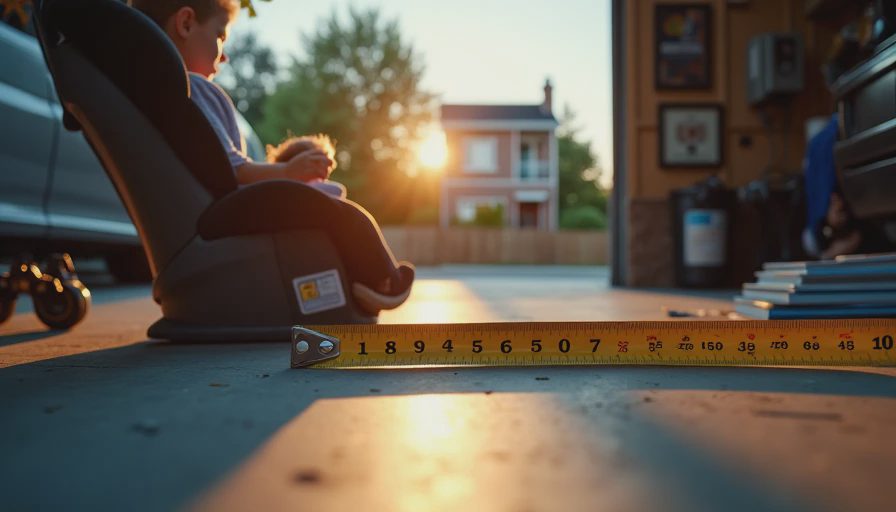
Expiration dates are not a federal law requirement in the way crash testing is, but they are widely used by manufacturers because plastics, foam, and hardware age, and standards evolve over time. A secondhand seat without a known history is a gamble I do not recommend. If a seat has been in a moderate or severe crash, replacement is the safer move. Even after a minor crash, check NHTSA guidance and the manufacturer instructions carefully.
If budget is the issue, there are safe ways to save without cutting corners. Good convertible seats are often available in the $150 to $300 range, and many boosters cost under $100. That is far cheaper than dealing with an injury claim, rising medical bills, or years of consequences from a preventable mistake.
What owners should do before the next trip
Here is the practical close. Car seat safety regulations set the floor, not the ceiling. A legal seat that is badly installed or used too early in the next stage is still a problem. Before your next school run, weekend drive, or holiday trip, take ten minutes and audit the setup.
Start with the basics: confirm the child fits the seat by height and weight, tighten the harness so there is no slack at the shoulder, position the chest clip at armpit level, and make sure the seat moves less than an inch at the belt path. For forward-facing seats, verify the tether is attached. For boosters, check that the lap belt lies low on the hips and the shoulder belt crosses the chest, not the neck.
Then do one more thing many drivers forget: review your insurance. If you are carrying children regularly, make sure liability limits are not sitting at bare-minimum levels. Raising limits often costs less than people expect, and getting quotes online takes minutes. The safety gear in the back seat and the financial protection on the declarations page should work together.
Car seat safety regulations give consumers a clear starting point. Your job is to execute the details. Here's what the data shows. Here's what owners should do.




No notes on this sheet yet.