BMW ownership combines responsive handling, advanced electronics, and repairable engineering with a price structure that can affect your insurance bill. If you are shopping for BMW coverage, do not judge a quote only by the monthly premium. The model, engine, trim, repair history, driver profile, location, and selected deductible all influence the final number. BMW insurance can be reasonable for one driver and surprisingly expensive for another with the same vehicle.
My approach is straightforward: identify the loss exposures first, then buy coverage that addresses them. A new 3 Series used for a short suburban commute presents a different risk profile from a high-powered M4 driven on crowded urban roads. Here is what the data shows. Here is what owners should do.
Why BMW Insurance Costs Vary
Insurers generally rate vehicles according to expected claim frequency and claim severity. A BMW with a higher purchase price can cost more to repair after a crash because replacement parts, sensors, aluminum panels, specialized tools, and calibration work add expense. Even a low-speed collision can involve parking sensors, cameras, radar modules, or adaptive headlights that require more than a simple bumper replacement.
Performance is another factor. Turbocharged engines and sport packages can increase replacement value and may be associated with more expensive claims. A two-door coupe, convertible, or M vehicle often receives a different rate than a four-door sedan with a lower-output engine. BMW insurance also reflects theft exposure, annual mileage, garaging ZIP code, credit-based insurance factors where permitted, and the driver’s record.
A clean record helps, but it does not erase vehicle-specific pricing. Compare quotes for the exact year, model, drivetrain, and trim. “BMW 3 Series” is not precise enough for a serious comparison because a 330i, 330e, M340i, and M3 can have materially different premiums.
Coverage That Deserves Close Attention
Liability coverage pays for injuries or property damage you cause to others, subject to the policy limits. State minimums are legal starting points, not necessarily sensible protection for a newer luxury vehicle or a driver with substantial assets. Raising limits from a low state minimum to a higher split-limit policy can cost less than many owners expect.
Collision coverage helps pay to repair or replace your BMW after a crash, regardless of who caused it, minus the deductible. Comprehensive coverage addresses non-collision losses such as theft, hail, falling objects, fire, vandalism, and contact with an animal. If the vehicle is financed or leased, the lender will usually require both collision and comprehensive coverage.
Ask specifically about original-equipment parts, diminished value rules, rental reimbursement, roadside assistance, and glass coverage. Some policies use aftermarket or recycled parts where allowed. That is not automatically unsafe, but the repair facility must install parts that meet applicable requirements and correctly calibrate safety systems. A $1,000 deductible can reduce the premium, but it also means keeping that amount available after a covered loss.

Safety Systems, Recalls, and Repair Records
A modern BMW can contain driver-assistance features that depend on cameras, radar, steering-angle data, and software. After a front-end repair, a shop may need to perform alignment and sensor calibration before those systems function as designed. Ask whether the repair estimate includes calibration and whether the shop has the equipment and training for the specific model.
Recall status belongs in the buying and ownership process, even though a recall itself is not the same thing as an insurance claim. Use the vehicle identification number, or VIN, on the official NHTSA recall lookup and BMW’s owner resources. Recall repairs are generally performed without charge by an authorized dealer. Do not assume a warning light is a recall issue, and do not assume a completed recall fixes every problem reported by owners.
Service records matter as well. Evidence of timely brake, tire, cooling-system, and restraint-system maintenance can help you understand the vehicle’s condition, even when it does not directly lower a premium. Before buying a used BMW, obtain a vehicle history report, inspect for prior collision repairs, and ask for documentation of airbag deployment or replacement. A clean-looking exterior is not proof of a clean safety history.
Reading a recall notice carefully, what stands out is the remedy and the operating instruction. If the notice says to stop driving, avoid delay. If the remedy is not yet available, follow the manufacturer’s interim guidance and document your calls. Insurance does not replace the need to address an unresolved safety defect.
How to Compare BMW Insurance Quotes
Start with one accurate vehicle description and provide the same information to every carrier. Ask for quotes from a national insurer, a regional company, and an independent agent who can shop multiple markets. Geico, Progressive, State Farm, Allstate, and regional carriers may price the same driver differently because their underwriting models and claims costs differ by location. No single brand is cheapest for every BMW owner.
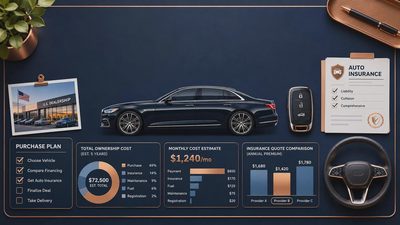
Request identical liability limits, deductibles, rental limits, and optional protections. Otherwise, a lower quote may simply offer less coverage. For example, compare a $500 comprehensive and collision deductible with the same $500 deductibles elsewhere. Then request a second version using $1,000 deductibles. The difference shows whether the savings justify accepting more out-of-pocket risk.
Ask about multi-policy discounts, safe-driver programs, low-mileage programs, paid-in-full discounts, and telematics. A driver who works from home and travels 5,000 miles annually should not be priced like a commuter covering 20,000 miles. However, telematics programs can collect driving data, so understand the privacy terms and how hard braking, mileage, nighttime driving, or phone use affect the program.
What Owners Should Do After a Crash
Safety comes first. Move away from traffic if possible, call emergency services when anyone is injured, and avoid arguing about fault at the scene. Exchange insurance and contact information, photograph the vehicles and roadway, and record weather and visibility conditions. Do not authorize a rushed repair before the insurer has a chance to inspect the damage.
If a BMW’s airbags deploy, warning lights appear, or steering and braking feel abnormal, arrange a tow rather than driving it home. Tell the adjuster about advanced safety equipment and ask whether the proposed shop can handle calibration. Keep receipts for towing, storage, transportation, and temporary repairs intended to prevent further damage.
Your insurer may inspect the vehicle, prepare an estimate, and negotiate with a repair facility. If the car is declared a total loss, the settlement is generally based on actual cash value, not the amount still owed on a loan. Gap coverage can help with the difference between that value and the remaining loan balance, but it does not increase the vehicle’s market value.
A Practical Buying and Coverage Checklist
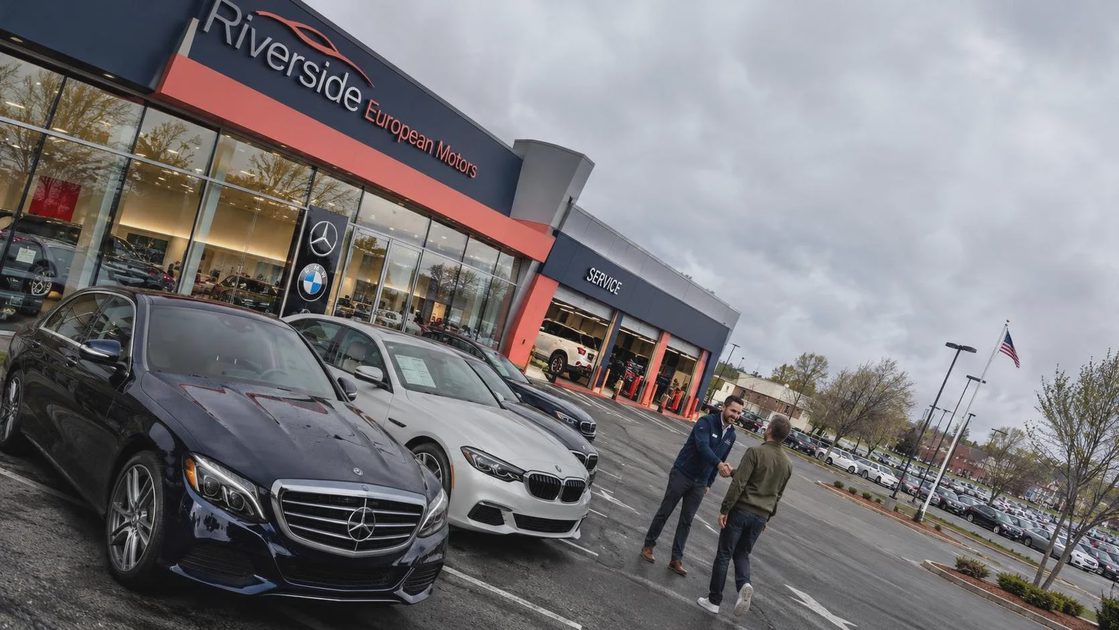
Before purchasing a BMW, obtain the VIN and check for open recalls. Confirm the exact trim and equipment, especially adaptive headlights, driver-assistance packages, performance brakes, and expensive wheel or tire options. Get an insurance quote before signing the purchase contract; the premium can change the affordability calculation by hundreds of dollars per year.
Next, arrange an independent inspection. Have the technician look for structural repairs, uneven tire wear, fluid leaks, brake condition, and electronic fault codes. Ask whether previous repairs appear consistent with manufacturer procedures. A certified pre-owned warranty can provide useful protection, but it does not replace a careful inspection or appropriate insurance.
For an existing owner, review the policy at renewal. Confirm the listed mileage, drivers, garaging address, lienholder, deductibles, and replacement transportation. Remove outdated drivers and report major changes honestly. If you added a young driver, moved, changed jobs, or began using the car for business deliveries, the policy needs accurate information.
BMW ownership rewards preparation. Check recalls, document maintenance, compare equivalent coverage, and maintain a deductible you can actually pay. The best BMW insurance decision is not always the cheapest quote; it is the policy that protects your finances while supporting a safe, properly repaired vehicle.

No notes on this sheet yet.