Honda has built a reputation for practical cars, but reputation is not a substitute for checking the specific vehicle in your driveway. A Honda can have an open safety recall, a service campaign, or a pattern of owner complaints that deserves attention. The useful question is not whether Honda is generally dependable. It is whether this vehicle, with this VIN, maintenance history, and equipment, is safe and properly covered today.
I spent 15 years reviewing vehicle defects and safety filings. My approach remains simple: start with the record, separate a confirmed defect from online speculation, and give the owner concrete next steps. Here's what the data shows. Here's what owners should do.
Start with the VIN, not the badge
The most important safety check takes only a few minutes. Find the 17-character VIN on the driver's-side dashboard, the door-jamb label, registration, or insurance documents. Enter it into the official NHTSA recall lookup and Honda's owner service portal. A license plate search can help, but the VIN is the controlling identifier for recall status.
Look for three different outcomes. A safety recall generally means the manufacturer has identified a defect that creates an unreasonable safety risk and must provide a remedy without charge. A completed recall means the repair was recorded. An incomplete recall means the owner should contact an authorized dealer and schedule the work. Technical service bulletins are different: they guide technicians about recurring repair issues but are not automatically free recall repairs.
Ask the dealer for the repair order, not just a verbal assurance. If a used Honda is being sold, confirm that the VIN matches the paperwork and that every open campaign is listed in writing. A seller who says a recall is “probably already fixed” has given you a reason to verify, not a reason to relax.
What to inspect before buying a Honda
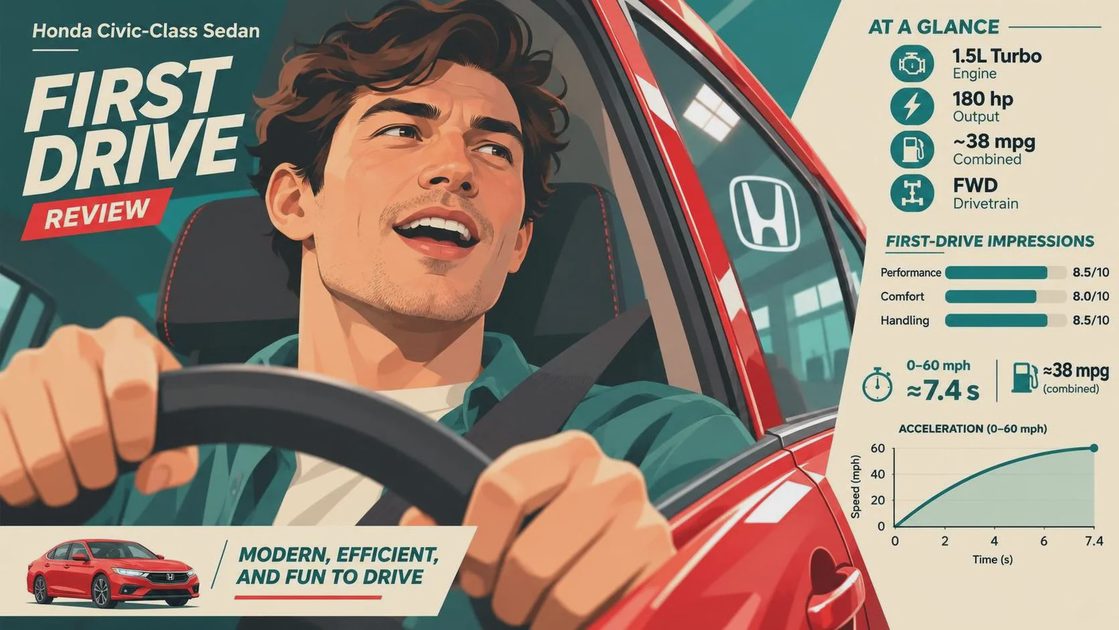
A clean vehicle-history report is useful, but it cannot replace a hands-on inspection. Start with the tires. Check the manufacturing date, tread depth, uneven wear, and whether all four tires match the size specified on the door placard. Tire problems can affect braking and handling even when the dashboard shows no warning light.
Next, examine the brakes, steering, suspension, and underbody. A pre-purchase inspection from an independent shop commonly costs about $100 to $250, depending on location and vehicle complexity. That fee is small compared with a brake job, suspension repair, or a bad purchase. Ask the technician to scan for stored diagnostic codes and inspect for evidence of water intrusion, collision repair, or neglected fluid changes.
For a Honda with a continuously variable transmission, ask for service records and a road test that includes steady acceleration, low-speed maneuvering, and highway merging. For a hybrid, request battery-system diagnostics from a shop familiar with high-voltage vehicles. Do not let a seller clear warning lights immediately before your visit; that can erase useful evidence without fixing the underlying problem.
Model year matters more than general reputation
A Honda Civic, Accord, CR-V, Pilot, Odyssey, or Ridgeline can have very different safety equipment and defect histories depending on model year and trim. A base vehicle may not include the same driver-assistance features as a higher trim. Conversely, more technology creates more sensors, cameras, software, and calibration requirements.
After windshield replacement, for example, a forward-facing camera may require calibration. A misaligned camera can affect automatic emergency braking, lane-keeping assistance, or adaptive cruise control. Ask whether calibration was completed and documented. If the vehicle has a replacement bumper, grille, radar sensor, or airbag, obtain the repair invoice and parts information.
Crash-test ratings are valuable comparisons, but they are not promises that every collision will produce the same result. Seat-belt use, vehicle speed, crash direction, occupant size, road conditions, and maintenance all matter. Treat a strong rating as one part of a decision that also includes recall status, inspection findings, and the driver’s actual use.
Insurance should follow the vehicle's real risk
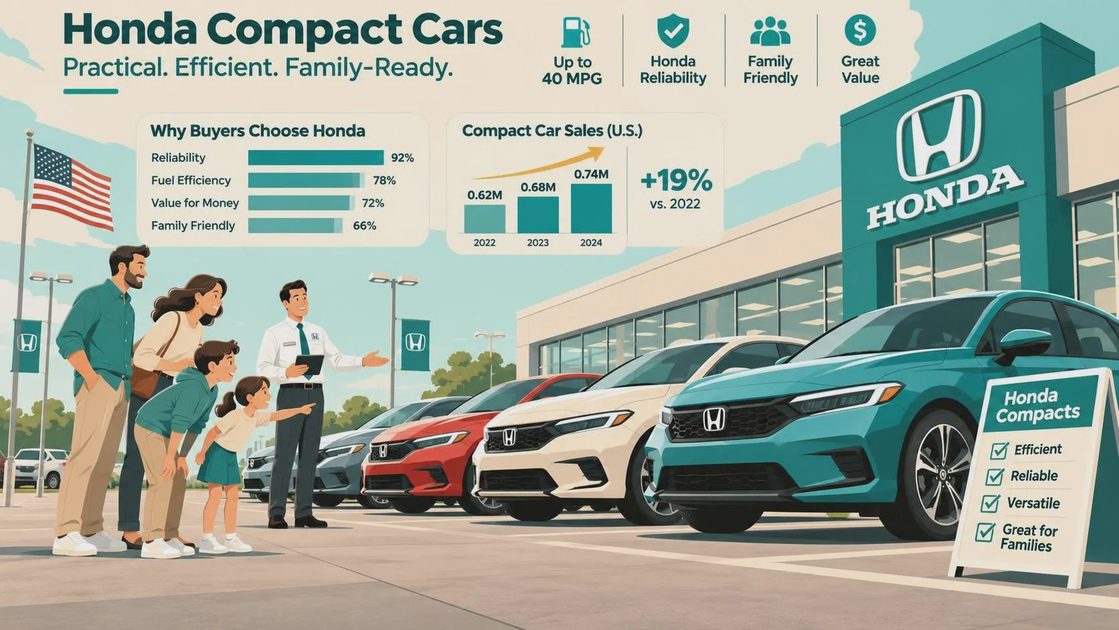
Safety is only one part of ownership cost. Before buying a Honda, obtain insurance quotes using the exact year, trim, ZIP code, mileage, and driver information. A model with a lower sticker price can cost more to insure if it has expensive sensors, frequent theft claims, high repair costs, or limited parts availability.
Compare liability limits first. Liability coverage pays for injuries or property damage you cause to others, subject to the policy limits. Collision coverage addresses damage to your vehicle from a crash, while comprehensive coverage generally addresses non-collision losses such as theft, hail, falling objects, or animal strikes. If the Honda is financed or leased, the lender will usually require collision and comprehensive coverage.
A $500 deductible can produce a different premium from a $1,000 deductible, but the cheaper policy is not automatically the better choice. Select a deductible you could pay after an accident, then compare rental reimbursement, roadside assistance, uninsured motorist protection, and original-equipment-parts options. Progressive, GEICO, State Farm, Allstate, and regional carriers price these features differently, so comparing several quotes can reveal meaningful differences.
What owners should do after a recall notice
If your Honda receives a recall notice, read the remedy description carefully. It should identify the affected component, the safety consequence, and the repair process. Call an authorized dealer, provide the VIN, and ask whether parts are available. Some repairs can be completed in one visit; others require a backordered component or temporary operating instructions.
Do not ignore a warning involving steering, braking, fuel leakage, airbags, seat belts, or loss of propulsion. If the notice says to stop driving, follow that instruction and ask about towing. Keep copies of the notice, appointment confirmation, repair order, and any expenses. Those records help if the remedy is delayed or you later sell the vehicle.
If you already paid for a repair that is later covered by a recall, ask the manufacturer about reimbursement using the process in the notice. The outcome depends on the campaign terms and documentation, so preserve the invoice and proof of payment.
A practical Honda ownership checklist
Before purchase, run the VIN through NHTSA, confirm completed campaigns with a dealer, and pay for an independent inspection. During ownership, follow the maintenance schedule, respond quickly to dashboard warnings, and inspect tires and lights at least monthly. After any collision or windshield replacement, ask whether safety-system calibration was required.
Review insurance at renewal and after major changes, including a new driver, relocation, lower annual mileage, or a replacement vehicle. Ask for quote comparisons with the same liability limits and deductibles so you are comparing coverage rather than marketing slogans.
Honda can be a sensible choice, but the badge does not eliminate risk. A documented inspection, verified recall history, and properly structured policy give you stronger protection than brand loyalty alone. If you own one of these vehicles, this week's task is straightforward: locate the VIN, check the record, and request an insurance quote using the exact trim. That is how a Honda purchase becomes an informed safety decision rather than a guess.



No notes on this sheet yet.