A Dodge trailduster is an old full-size four-wheel-drive SUV, not a modern vehicle with the safety equipment buyers now take for granted. That distinction matters if you are considering a purchase, planning a restoration, or trying to insure one for regular driving. The Dodge Trail Duster was sold primarily from 1974 through 1981 and shared much of its basic architecture with the Dodge Ramcharger. It has collector appeal, useful off-road capability, and a simple mechanical layout, but age-related hazards deserve more attention than the badge.
I spent years reading defect complaints and safety filings, and the first rule remains straightforward: separate documented facts from seller language. A fresh paint job does not prove a sound frame. A rebuilt engine does not confirm working brakes. Before money changes hands, evaluate the vehicle as a 40-plus-year-old truck with unknown maintenance history. The Dodge trailduster can be a rewarding project, but it can also conceal structural corrosion, improvised wiring, and brake components that have not been serviced in decades.
What the Dodge Trail Duster actually is
Dodge introduced the Trail Duster as a two-door sport utility vehicle aimed at buyers who wanted truck utility and removable-roof versatility. Most examples used a body-on-frame design, a solid front axle, and part-time four-wheel drive. Engine choices varied by year and trim, commonly including Chrysler small-block V8s and larger V8 options. Transmission, transfer case, axle, and emissions equipment can differ substantially between model years, so a seller's statement that a truck is “all original” requires verification.
The model's simplicity is both its strength and its liability. A mechanic familiar with vintage Chrysler trucks can often diagnose a carburetor, transfer case, or drum brake problem without factory-level scan tools. On the other hand, older suspension joints, steering boxes, fuel lines, and rubber brake hoses can fail from deterioration rather than mileage. Four-wheel drive also creates a false sense of security: it can help with traction, but it does not shorten stopping distance on ice or compensate for worn tires.
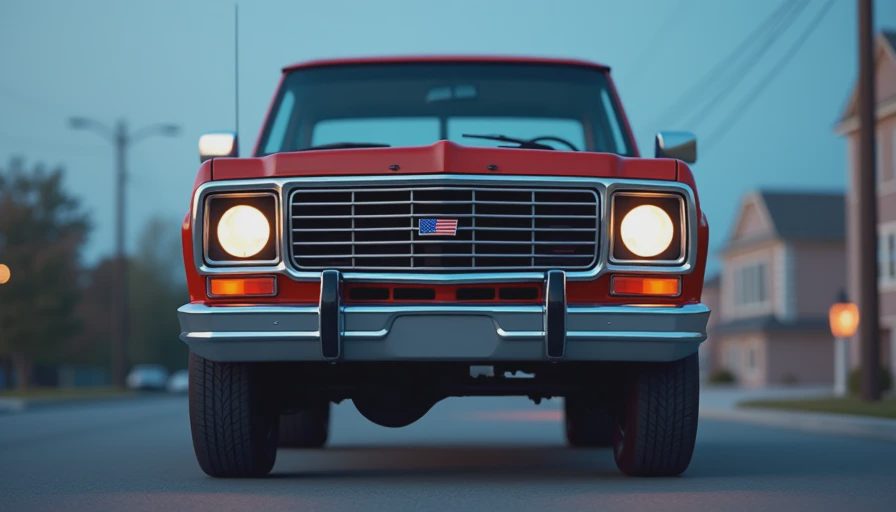
Look for the vehicle identification number on the dashboard, title, and body documentation. A mismatch is a serious transaction warning, especially on a restored vehicle assembled from multiple trucks. Record the VIN before requesting parts, insurance, or recall information. For an older Dodge trailduster, trim labels and advertisements are less reliable than the stamped identification and component evidence found on the truck itself.
The inspection points that determine safety
Start underneath. Inspect the frame rails around the steering box, suspension mounts, spring hangers, and body mounts. Surface rust is common; perforation, layered scale, crushed sections, or amateur plating are different problems. Pay close attention to the area where road moisture collects behind the front wheels and near the rear spring mounts. A frame repair may be acceptable when engineered and documented, but a rough weld over active corrosion should not be treated as a cosmetic issue.
Next, test the steering and brakes with the engine off and the truck safely stationary. Excessive steering-wheel play can involve the gearbox, tie rods, drag link, or mounting structure. Inspect brake lines for pitting and flexible hoses for cracking. Many vintage examples use drum brakes, which require regular adjustment and can pull during hard stops. A brake pedal that feels low, soft, or inconsistent is a repair item, not a character trait.
Examine tires by date, not just tread depth. A tire with good-looking tread can still be unsuitable if its rubber is aged, damaged, or mismatched across an axle. Check wheel bearings, driveshaft joints, differential leaks, transfer-case operation, and four-wheel-drive engagement. During a road test, listen for vibration under acceleration and confirm that the vehicle tracks straight without constant correction.
Recall research and owner records
Do not assume that an old vehicle has no safety history simply because it predates digital service records. Search the official NHTSA recall database by VIN when the site supports the vehicle, and ask a Dodge or Chrysler dealership whether historical campaign information is available. Some records for older vehicles can be incomplete, so use multiple forms of evidence: title history, repair invoices, service manuals, owner-club documentation, and a professional inspection.
I would not publish a supposed Dodge trailduster recall based on an online comment or an unverified social-media post. A genuine recall should identify the manufacturer, affected population or production range, defect, risk, remedy, and owner notification process. If a seller says a known problem was “fixed,” request the work order and the replacement part number. Filing number, exact range, three concrete steps: verify the VIN, confirm the repair, and document the result.
Owners should also check whether safety equipment has been removed. Seat belts may have been replaced with noncompliant aftermarket hardware, and a roll bar may look protective without having documented engineering or proper mounting. Never treat a modified interior as equivalent to modern crash protection.

How insurance works for a vintage SUV
Insurance depends on how you use the truck and how the policy values it. A standard personal auto policy often handles ordinary transportation, but a collector or classic policy may offer agreed-value coverage, mileage limits, storage requirements, and restrictions on commuting. Agreed value can be important after a total loss because the insurer and owner establish a value before a claim rather than relying only on depreciated actual cash value.
Ask specifically about restoration coverage if the Dodge trailduster is disassembled or being rebuilt. Some policies cover parts, tools, or labor differently from a completed vehicle. Liability coverage pays for injuries or property damage you cause to other people, subject to policy limits. Collision coverage addresses damage from a crash, while comprehensive generally covers noncollision losses such as theft, fire, falling objects, or weather. A deductible is the amount you pay before covered repairs are paid.
Do not understate the vehicle's value to reduce the premium. Keep photographs, receipts, auction records, and a list of major upgrades. A custom engine, rebuilt transfer case, upgraded suspension, or professionally restored body can materially affect replacement cost. Obtain quotes from more than one carrier; companies such as Hagerty, Grundy, American Modern, and mainstream insurers can have different eligibility rules for older vehicles.
A sensible buying process
Before inspecting in person, request the VIN, title status, current mileage, known rust repairs, and a cold-start video. At the truck, compare the paperwork with the identification plate and look for fresh undercoating that could hide repairs. A pre-purchase inspection by a shop experienced with vintage four-wheel-drive vehicles is money well spent; expect roughly $150 to $300 in many markets, with deeper frame or compression testing costing more.
Price the work before making an offer. A set of tires might cost several hundred dollars, while brake, fuel-system, wiring, and frame restoration can quickly reach several thousand. Parts availability is generally better for common drivetrain components than for original trim, glass, body panels, and model-specific interior pieces. A low purchase price is not a bargain if the truck needs a safe frame, complete brake system, and rewiring.
What owners should do next
If you own a Dodge trailduster, this week's task is simple: photograph the VIN and frame, inspect the brakes and tires, confirm insurance use restrictions, and create a maintenance file. Do not carry passengers until seat belts and mounting points have been checked. Avoid highway driving until steering, tires, brakes, and lighting pass inspection.
The model can be worth preserving, but nostalgia should never outrank evidence. Reading the records carefully, what stands out is that the largest risks usually come from decades of corrosion, modifications, and deferred maintenance rather than from the name on the grille. A careful inspection, verified history, and properly matched policy turn an uncertain purchase into a manageable ownership decision. Here's what the data shows. Here's what owners should do.




No notes on this sheet yet.