How to Buy a Safe Car: A Former NHTSA Investigator's Guide
If you want to know how to buy a safe car, you have to look beyond the shiny paint and the sales pitch. During my 15 years at NHTSA, I reviewed thousands of accident reports and recall filings. I learned that the safest cars are not always the most expensive, but they are the ones backed by solid engineering, transparent safety records, and features proven to prevent crashes. Here is the data-driven approach I recommend.
Understand Crash Test Ratings (NHTSA and IIHS)
The first step in how to buy a safe car is understanding crash test results. The National Highway Traffic Safety Administration (NHTSA) gives star ratings, while the Insurance Institute for Highway Safety (IIHS) uses Good, Acceptable, Marginal, and Poor. A 5-star NHTSA overall rating is a good baseline, but pay attention to individual tests. For example, the IIHS small overlap front test can reveal weaknesses that a 5-star car might have. Look for models that earn both NHTSA 5 stars and IIHS Top Safety Pick+.
Look for Advanced Safety Tech
My time at NHTSA made me a strong believer in crash-avoidance technologies. Automatic emergency braking (AEB), forward collision warning, lane departure warning, and blind spot monitoring are not just bells and whistles—they reduce crashes significantly. A 2022 IIHS study found that AEB with pedestrian detection cuts rear-end crashes by half. When you are researching how to buy a safe car, check standard equipment lists. Models from Subaru, Honda, Toyota, and Volvo often include these features across trims.
Check the Vehicle's Recall History
Here is where my investigator background kicks in. A car may have perfect crash test scores but a history of safety defects. Before you buy any used car, run its VIN through NHTSA's recall lookup tool. Filing number, exact range, three concrete steps: note the recall, check if it was repaired, and ask the seller for proof. For new cars, research ongoing campaigns at safercar.gov. In 2023, for example, certain Ford Explorer models had steering column issues under recall. Knowing this upfront can save you a trip to the dealer and a safety risk.

Inspect Structural Integrity and Build Quality
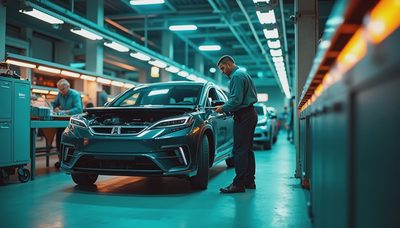
A car's weight and structure matter more than many buyers realize. Heavier vehicles generally protect occupants better in a collision, but design is critical. Look for high-strength steel in the passenger cabin, crumple zones front and rear, and side curtain airbags. During a test drive, pay attention to how the doors close—a solid thud often indicates good build quality. If you are serious about how to buy a safe car, bring a mechanic for a pre-purchase inspection. They can check for rust, frame damage, or poor repairs that compromise safety.
Take a Thorough Test Drive
A test drive is not just about how the car drives—it is about how it protects you. Check visibility: blind spots, mirror positioning, and the rearview camera clarity. Test the brakes at moderate speed; they should feel firm and responsive. Try the lane-keeping assist and adaptive cruise control to see if they work smoothly. If the car has a safety score display, look at it over a 10-minute route. This practical step in the process of how to buy a safe car often reveals issues that specs sheets hide.
Verify Ownership Costs and Insurance
Safer cars tend to cost less to insure, but the difference varies. Insurers use safety ratings, claim data, and repair costs to set premiums. When comparing models, get insurance quotes before you buy. For instance, the 2024 Toyota Camry and Honda Accord both earn top safety scores, but the Accord's lower theft rate can mean cheaper coverage. Also, factor in safety tech repair costs—windshield replacement for a car with camera-based systems can be expensive. Budget for that when you learn how to buy a safe car.
Child Safety and Family Considerations
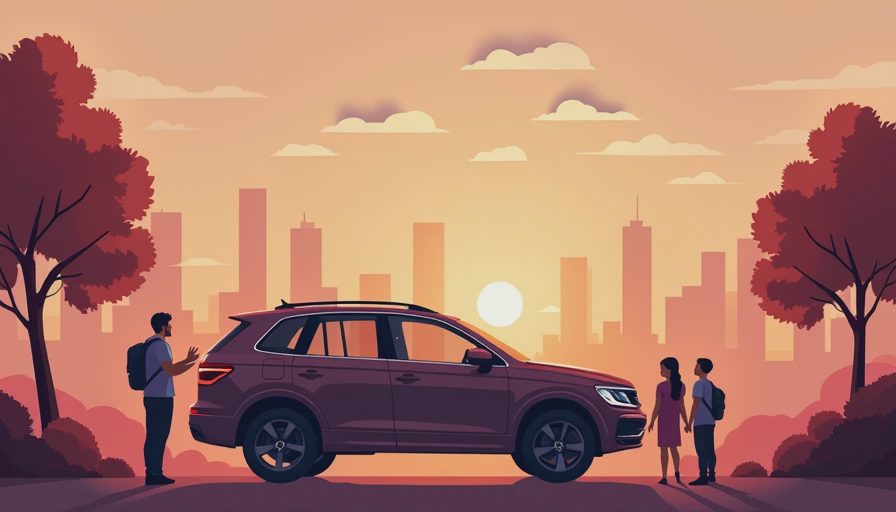
If you are buying a car for a family, the process of selecting a safe vehicle must include child-specific safety evaluations. Start with the LATCH system: the number of anchor points (ideally three across the rear seat) and ease of access. The IIHS rates LATCH usability, and models like the 2024 Toyota RAV4 and 2024 Kia Telluride score high marks. Next, check rear-seat safety tech: side-curtain airbags should extend to the third row in SUVs, and some vehicles offer rear-seat automatic emergency braking or rear cross-traffic alert. For example, the 2024 Ford Explorer includes inflatable rear seat belts, which can reduce head and neck injuries for children. Also, many modern cars have rear-seat reminder systems to prevent hot-car tragedies. When test driving, bring your child’s car seat and install it. Note how tight the fit is and whether you need to move the front seat forward. Insurance companies like State Farm offer discounts for vehicles with certified child safety features, so ask your agent. Taking these extra steps in how to buy a safe car gives you peace of mind that your whole family is protected.
Conclusion: Here Is What You Should Do
If you want to buy a safe car, start with the data: NHTSA and IIHS ratings, then recall history, then safety equipment. Test drive with purpose, inspect the structure, and factor in insurance costs. Do not rely on manufacturer marketing or dealer promises. The safest car is the one that has been thoroughly vetted by an informed buyer. That is how to buy a safe car—with evidence, not hype.


No notes on this sheet yet.