Knowing how to change a tire is one of those skills every driver needs before an emergency hits. In my years at NHTSA, I saw roadside incidents that went wrong simply because the driver wasn't prepared. This guide walks you through the correct method, the safety steps, and the times when you should call a tow instead.
Know Your Equipment Before You Pull Over
Your trunk should have a jack, a lug wrench, and a spare tire. But newer cars sometimes skip the spare and include a sealant kit. Open your trunk now and verify what you have. The spare should be inflated to the pressure printed on the sidewall, often 30 to 35 psi for a full-size tire and around 60 psi for a donut. The factory scissor jack has a stamped capacity rating; if it is bent or rusted, it is not safe. The owner's manual is the authority for jack points and lug nut torque. If you don't have a paper copy, download a PDF and keep it in your glovebox.
Choose a Safe Spot and Set Up
Never change a tire in a live traffic lane. If the car is drivable, roll it to a flat, level area at least fifteen feet off the road. Turn on the hazard lights, shift into park or first gear, and set the parking brake. Place wheel chocks or a heavy rock against the opposite wheel. If the shoulder is narrow or the road curves, your safest move is to stay buckled in and call roadside assistance. The tow truck has cones and a hydraulic lift. Your scissor jack is not worth risking your life on a blind curve.
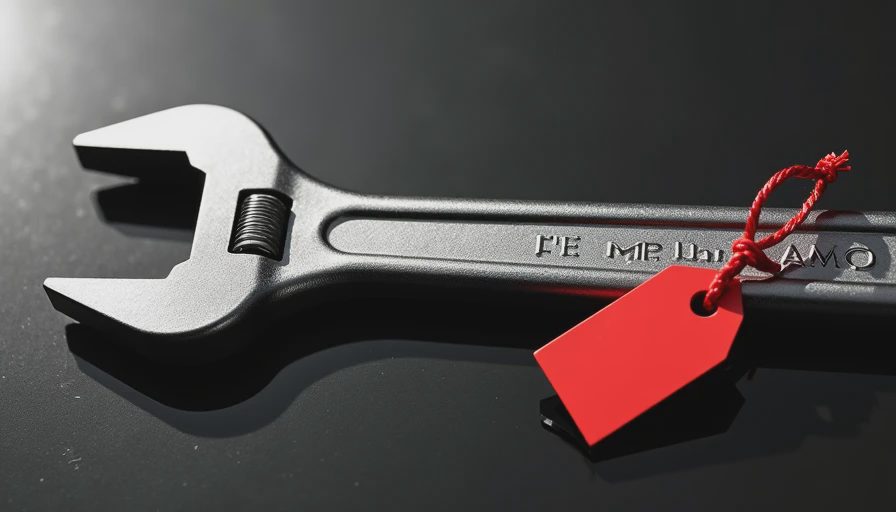
Loosen the Lug Nuts Before Jacking
The most important step is cracking the lug nuts loose while the car's weight is still on the wheels. Fit the lug wrench over the nut and turn counterclockwise. You may need to push with your foot; that is normal. If a nut is seized, apply penetrating oil, wait ten minutes, and try again. Loosen all the nuts half a turn, but do not remove them yet. The wheels will not spin while the car is on the ground, which makes it easier to break the torque. Once all are cracked, move to the jack.
Raise the Car and Swap the Wheel
Position the jack only at the vehicle's designated jacking point, which is marked in the owner's manual. Raise the car just enough to lift the flat tire a few inches off the ground. Remove the lug nuts completely and keep them in a cup or your pocket. Pull the wheel straight toward you; if it sticks, kick the top side of the tire. Slide the spare onto the hub, aligning the holes, and thread the lug nuts on by hand. Tighten them in a star pattern, not clockwise around the wheel. Lower the car until the tire touches the ground, then finish the job.
Torque, Lower, and Mind the Spare
Finish the torque with the car still slightly on the jack. Most passenger cars require 80 to 100 foot-pounds of torque, so use a torque wrench if you have one. Without a torque wrench, tighten as firmly as you can with both hands. Then lower the car completely and give every lug nut one more twist. If you installed a donut spare, it has a max speed of 50 mph. Keep that in mind and drive straight to a shop. Have the flat repaired or replaced and put the full-size tire back on as soon as possible.
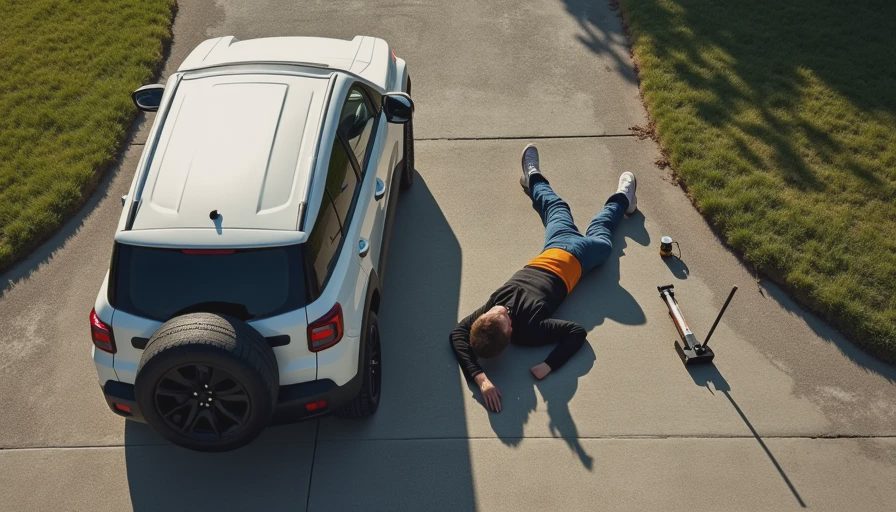
Know the Spare: Full-Size vs. Donut
Cars with full-size spares match the original wheel and tire, so you can drive normally. But many modern cars use a donut, which is narrower and lighter. A donut is for temporary use only. It will have a maximum speed, usually 50 mph, and a limited range, often around 50 to 70 miles. Driving farther can cause the spare to overheat. That's why after you install a donut, you should treat it as a trip to the shop, not a long-term fix. And always check the spare's pressure before you rely on it, because temps change and rubber leaks.
When Not to Change It Yourself
Even if you know how to change a tire, there are times to leave the wrench in the trunk. Rain, snow, and high winds make the work dangerous and the tools slippery. A highway shoulder during rush hour is not a workshop; the risk from passing vehicles is far greater than the flat itself. Your body has limits too. If you are alone, have a medical condition, or cannot safely lift fifty pounds, call roadside assistance. It is a smart call, not a failure. The failure would be getting injured over a wheel change.
You now know how to change a tire, including the steps and the conditions that should stop you. Practice the procedure in your driveway before you have to use it at midnight on a rainy road. And when the situation feels beyond your skills or your tools, call the tow truck. That choice is as important as the tire-changing skills themselves.



No notes on this sheet yet.