Trends of hybrid vehicles point in one clear direction: hybrids are no longer a niche purchase. They're a mainstream choice for commuters, families, and fleets. As a former NHTSA safety investigator, I've watched the shift from the inside. And here's what the data shows: the safety picture is more complicated than the sales charts suggest. Here's what owners should do.
The Sales Curve Tells a Safety Story
Hybrids are everywhere now. Almost every major automaker sells at least one hybrid model, and several have doubled production in the last three years. That growth means more hybrid vehicles on the road, more miles driven, and more real-world data flowing back to regulators. For someone like me who spent 15 years at NHTSA reading Early Warning Reports, that data is the part that matters. It tells us where the technology is working and where it's not. The trends of hybrid vehicles we're seeing today are not just about fuel economy. They're about what happens to a battery pack after 100,000 miles, how a high-voltage system behaves in a crash, and whether the software that controls regenerative braking can fail without warning. These are the questions that keep safety investigators up at night.
What NHTSA Filings Reveal About Hybrid Tech
I still read every NHTSA filing that touches hybrid drivetrains. What stands out is the pattern. Early hybrid recalls focused on inverter failures and cooling pumps. Those were mechanical problems with clear causes. Today, the filings are different. Many are tied to software updates that change how the battery management system behaves. That's not necessarily bad. Software updates can fix a problem before it becomes a recall. But they also create a new challenge for owners: staying current with updates in a way that wasn't required with older cars. If you own one of these vehicles, this week's task is checking whether your automaker has issued any outstanding updates for your model. The NHTSA website lets you search by VIN, and the process takes less than five minutes.
The Fire-Safety Question That Won't Go Away
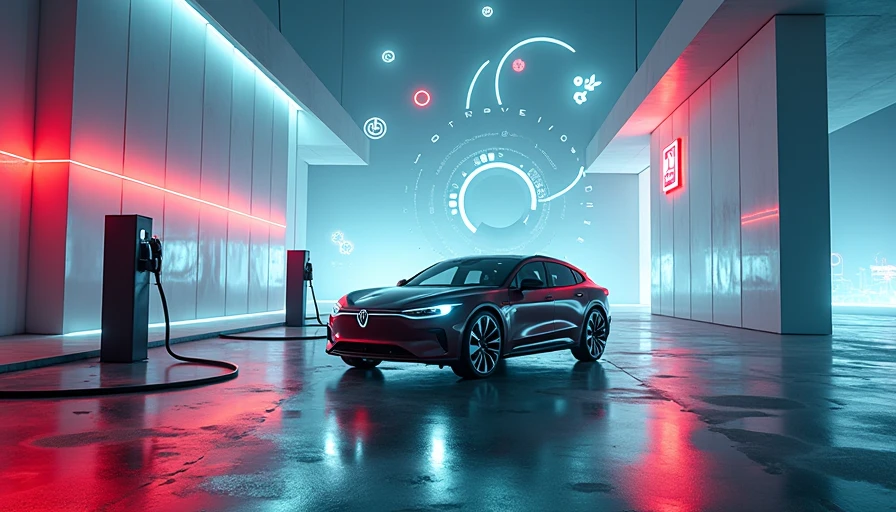
Every time a hybrid or electric vehicle catches fire, the headlines are loud. The data shows a quieter picture. Hybrid and EV fires are rarer than gasoline-car fires, but when they happen, they can be harder to extinguish. Lithium-ion battery packs can enter thermal runaway, which is a chain reaction that produces its own heat and oxygen. Fire departments have had to change their training and equipment. For owners, the practical takeaway is straightforward: if a hybrid is involved in a collision, don't assume it's safe to work on or stand near. The high-voltage system can stay energized long after the car is shut off. Tell first responders it's a hybrid. The trends of hybrid vehicles we're seeing now include better battery enclosures and cooling systems, but the fundamental risk hasn't disappeared. It has just become more manageable.
Software Recalls Are the New Normal
One of the biggest changes I've seen is the shift from mechanical recalls to software recalls. A decade ago, a recall usually meant a physical part had to be replaced. Now, many safety defects are fixed with a wireless update. That's good news for convenience, but it has a downside. NHTSA's recall data shows that software-related recalls are growing faster than any other category. Some automakers are better than others at communicating these updates. If you buy a used hybrid, the update history may be incomplete. The trends of hybrid vehicles include a new responsibility for owners to register their vehicle with the manufacturer and to check for open recalls regularly. It's not the most exciting part of car ownership, but it's one of the most important. Here's what the data shows: an unapplied software update can leave a serious safety defect sitting in your garage.
What Owners Should Do This Week
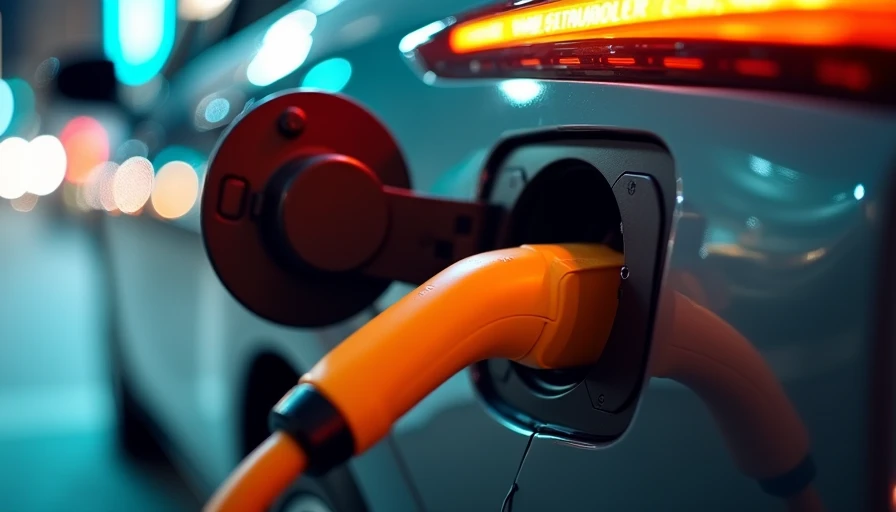
Let's make this actionable. Three steps to handle the trends of hybrid vehicles without getting a headache. First, look up your VIN on NHTSA.gov and check for open recalls. Do this for every car in your household, not just the newest one. Second, make sure your vehicle is registered with its manufacturer so you receive recall notices and update alerts. You can do this through the automaker's owner portal. Third, if a recall notice says the vehicle could shut down while driving or catch fire, treat that as serious. Take it to a dealer right away. Don't wait for a second notice. And if you're shopping for a used hybrid, ask for a printout of the recall and service history before you sign anything. You'd be surprised how many sellers say, 'I never got the recall notice' when it's sitting in their inbox.
Where the Trends Are Headed
The next few years will bring more hybrid pickups, more hybrid SUVs, and more plug-in hybrids that blur the line between hybrid and EV. Safety regulations will keep evolving, especially around battery testing and cybersecurity. NHTSA is already pushing for better data sharing on advanced driver assistance systems, and hybrids are part of that conversation. For consumers, the message is simple: don't let the marketing distract you from the basics. These are safer, cleaner cars than what most of us grew up with, and the accident statistics generally support that. But safety doesn't come from the brand name or the glossy brochure. It comes from proper maintenance, timely recall repairs, and a clear understanding of how the technology works. The trends of hybrid vehicles are positive overall. Just do your homework on the vehicle you own or the one you're about to buy.


No notes on this sheet yet.