Searches for the Kevin Bickley Mustang dispute raise an important consumer question, but a search phrase is not proof of a lawsuit, ownership conflict, title problem, or safety defect. I could not responsibly treat an unverified online reference as an established case. If you encountered this phrase in a video, listing, forum post, or social media thread, begin with the documents behind the claim rather than the headline.
This distinction matters because a Ford Mustang can carry several separate histories at once. It may have a clean-looking advertisement, a branded title, an unresolved lien, an insurance loss, or an unrelated recall. Those facts need different records. Here's what the data shows. Here's what owners should do.
What the Kevin Bickley Mustang dispute phrase may mean
The wording is too broad to identify one confirmed event. It could refer to a disagreement over who owns a vehicle, a private sale that went wrong, a title or odometer concern, a damaged car, a court filing, or commentary about a particular Mustang. It could also be a misspelled name or a clipped reference that has been repeated without its original source.
That is why I would not publish a claim that a named person committed fraud, caused a crash, lost a lawsuit, or owned a defective vehicle without a verifiable court record or an official agency document. A blog post, screenshot, or short video can point you toward a lead, but it does not establish the underlying facts. Look for a case number, filing date, jurisdiction, VIN, police report, insurer documentation, or a manufacturer campaign number. If those details are missing, treat the statement as unconfirmed.
For a buyer, the practical risk is clear: an internet controversy can distract from the records that determine whether the Mustang can be legally titled, safely driven, and properly insured.
How to investigate the vehicle instead of the rumor
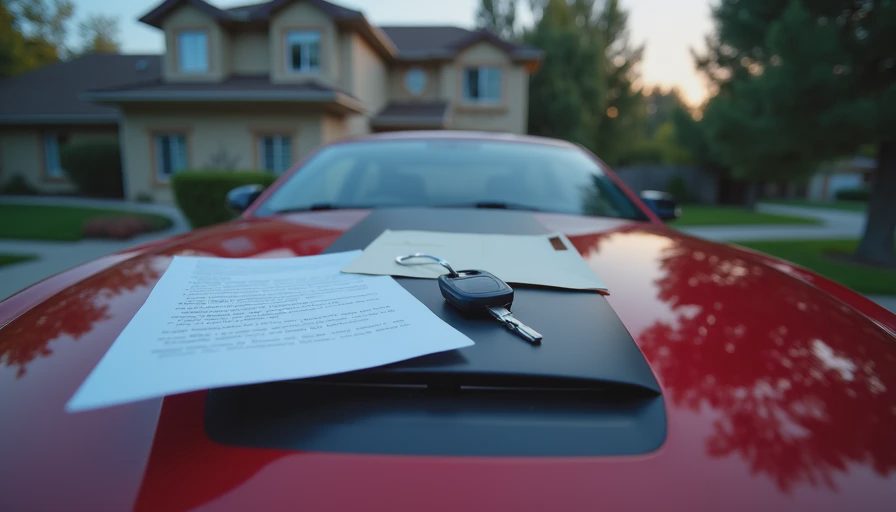
Start with the VIN. A 17-character VIN should appear on the dashboard, the driver-side door label, and the title. Compare those locations. A mismatch is a stop sign, not a minor paperwork issue. Ask the seller for a clear title, bill of sale, lien release when applicable, repair invoices, and any auction or insurance documentation.
Run the VIN through the National Motor Vehicle Title Information System, often called NMVTIS, using an approved data provider. A commercial history report from companies such as Carfax or AutoCheck can add accident, service, and registration information, but no single report is complete. Compare the results with a state title record and a physical inspection.
For a Mustang with collision damage, have an independent mechanic inspect frame alignment, airbag components, seat belts, cooling lines, suspension pickup points, and signs of water intrusion. Modern repair quality is not obvious from fresh paint. A scan tool can reveal stored diagnostic information that a test drive may not expose.
If the dispute involves money, preserve the evidence. Save the original listing, text messages, emails, payment receipts, photographs, and dates. Do not edit screenshots. A state attorney general, motor vehicle agency, licensed attorney, or local law enforcement office can explain the proper reporting route. Do not confront a seller based only on an online accusation.
Title, ownership, and insurance warning signs
A title dispute is different from a mechanical dispute. A mechanical problem might support a warranty, repair, or contract claim. An ownership problem can prevent registration and create a risk that a lender, prior owner, insurer, or state agency has a competing interest.
Watch for phrases such as “title in the mail,” “seller signed for a friend,” “no lien release yet,” or “insurance will handle the paperwork.” Those statements do not prove misconduct, but they justify slowing down. Do not send a large deposit before confirming the seller’s identity and title status. If a lender is listed, contact the lender using a verified phone number rather than one supplied only in a message.
Insurance creates another layer. Liability coverage generally pays for damage or injuries you cause to others, subject to policy limits. Collision coverage addresses damage to your vehicle from a crash, while comprehensive coverage generally addresses losses such as theft, hail, fire, or falling objects. Neither coverage automatically fixes a defective title or guarantees that an insurer will accept an inflated vehicle value.
A rebuilt or salvage Mustang can be harder to insure and may receive different coverage terms. Before purchase, ask an insurer for a quote using the correct VIN and title status. A $35,000 vehicle with a clean title is not treated the same as a similarly priced car with prior structural damage.
What owners should do this week
If your search concerns a Mustang you already own, create a simple evidence file. Put the VIN, title, registration, purchase contract, repair invoices, photographs, and insurance declarations page in one folder. Write a timeline with dates and names, using facts rather than conclusions.
Next, check open safety recalls through the official NHTSA recall lookup using the VIN. A recall notice identifies the affected component, risk, remedy, and manufacturer contact process. A rumor about the Kevin Bickley Mustang dispute is not a substitute for that lookup, and a clean recall result does not prove that the vehicle has never been damaged.
If the car was recently purchased, read the written contract for arbitration language, warranty exclusions, dealer disclosures, and return provisions. Keep every payment record. If a repair shop performed work, request an itemized invoice and diagnostic results. If an insurer denied a claim, ask for the denial in writing and identify the policy language used.
Do not alter a VIN plate, continue driving a vehicle with suspected steering or braking damage, or transfer a questionable title to another buyer. Those actions can make a consumer problem more dangerous and harder to resolve. When there is an immediate safety concern, park the car and arrange a professional inspection or tow.
How to judge new claims about the case
Reading the Kevin Bickley Mustang dispute discussion carefully, what stands out should be the source quality. A credible report identifies who made the allegation, when the event occurred, what vehicle is involved, and which document supports the statement. A credible correction should be judged by the same standard.
Search court portals in the stated jurisdiction, but remember that an online search may not show every filing or may omit sealed and limited-access records. Check official state motor vehicle information when available. For recall questions, rely on NHTSA and manufacturer documents, not a seller’s interpretation. For an insurance disagreement, read the policy and request the claim file or written explanation through the insurer’s established process.
The safest conclusion is often narrower than the online headline. You may be able to confirm that a title was branded, a claim was filed, or a recall existed. You may not be able to confirm who was at fault or what a private settlement required. Keep those categories separate.
Bottom line for Mustang buyers
The Kevin Bickley Mustang dispute should be treated as an unverified search phrase unless reliable records establish a specific event. Do not repeat allegations about a named person as fact. Instead, verify the VIN, title, lien status, ownership documents, inspection results, insurance eligibility, and open recalls.
If you own one of these vehicles, this week's task is simple: gather the records, check the VIN, photograph the car, and obtain written answers. Filing number, exact range, three concrete steps: identify the official record, compare it with the vehicle in front of you, and stop the transaction when the documents do not match. That process protects your money, your coverage, and your safety far better than relying on a viral claim.




No notes on this sheet yet.