Lane Keeping Assistance: What the Safety Data Really Shows
Lane keeping assistance is one of those features that sounds straightforward—your car nudges you back if you drift. But after a decade reviewing NHTSA defect filings, I've learned that the gap between brochure promises and real-world performance can be wide. The data shows that this technology can reduce lane-departure crashes, but only when drivers understand its limits. Here's what the evidence says and what you should check on your own vehicle.
How Lane Keeping Assistance Works
Lane keeping assistance uses cameras mounted near the rearview mirror to track lane markings. When the system detects you're about to cross a line without a turn signal, it gently steers you back into the lane. On some vehicles, it also provides a steering wheel vibration or audible warning. The technology is part of a broader suite known as advanced driver-assistance systems, or ADAS. According to NHTSA's own research, these systems are included in over 60% of new 2025 model-year vehicles.
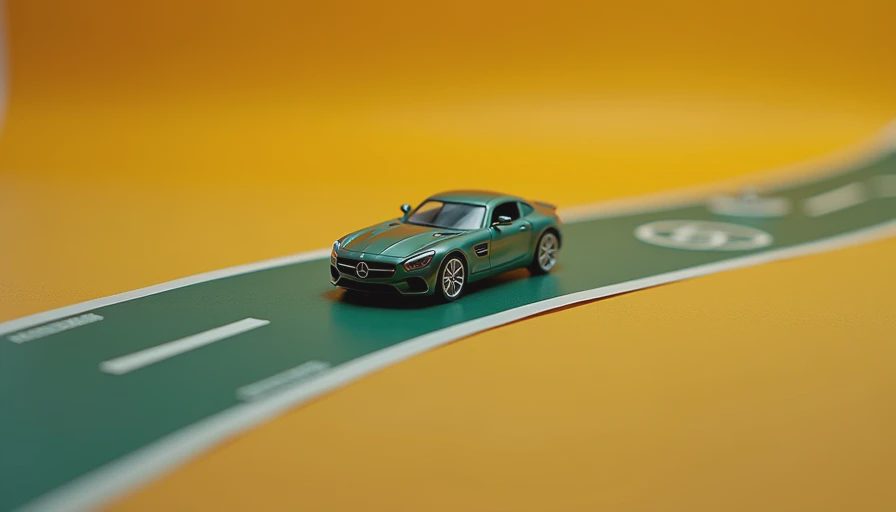
But here's where the fine print matters. This system is not the same as lane-centering, which actively keeps you in the middle of the lane. Many drivers confuse the two. The NHTSA filing number for a 2023 investigation into false activations of this feature in a popular SUV revealed that nearly 400 owners reported sudden steering inputs on curves—input that could startle a driver. The system works best on well-marked highways with clear, contrasting paint. In rain, snow, or faded markings, performance drops dramatically.
Real-World Crash Reduction
A 2024 study by the Insurance Institute for Highway Safety (IIHS) found that vehicles equipped with lane keeping assistance experienced a 21% lower rate of single-vehicle, sideswipe, and head-on crashes. That's meaningful, but it's not the 50% some manufacturers claim in marketing materials. The data also shows that the benefit is greatest when combined with lane departure warning—a simpler system that only alerts the driver without taking control.
One caveat I always raise: these studies often rely on voluntary data from insurers or automakers. The real-world effectiveness depends heavily on driver engagement. If you treat the system as a substitute for attention, you're missing the point. It is a backup, not a babysitter.
Limitations You Need to Know
Lane keeping assistance has a few known weaknesses. First, it may disengage without notice if the camera loses sight of markings. That's why you might feel a sudden loss of steering support on a sharp curve or when crossing an intersection. Second, the system can be overly sensitive on narrow roads, producing unnecessary steering corrections that feel unnatural. Third, and most concerning, some systems are not designed to work at all below 40 mph, so city driving offers no protection.
I've seen NHTSA complaints where owners reported the system actively steering them toward a guardrail when the markings were faded. That's a defect scenario worth watching. If you experience anything like that, file a complaint with NHTSA—it's the only way the agency can track patterns.

What Owners Should Do
Here's what the data shows. Here's what owners should do. First, read your owner's manual for the specific description of this feature in your vehicle. Some systems require you to keep your hands on the wheel; others will disengage after a few seconds if they detect no torque. Second, test the system in a safe area—a quiet highway with clear markings—so you know exactly what it feels like when it activates. Third, never assume the system will catch every drift. The National Highway Traffic Safety Administration's own consumer advisory warns that this technology is no replacement for an alert driver.
Check your vehicle's VIN range against any open recalls or technical service bulletins related to ADAS. I've seen campaigns for software updates that fixed false steering or intermittent shutdowns. A quick visit to NHTSA.gov with your VIN takes five minutes and could save you from a surprise.
Frequently Asked Questions About Lane Keeping Assistance
Q: Does lane keeping assistance work on all roads? A: No. It relies on visible lane markings and is most effective on well-maintained highways. On rural roads with worn paint or no markings, the system may not activate or may behave unpredictably.
Q: Can the system prevent all lane-departure crashes? A: No. The IIHS study found a 21% reduction in specific crash types, but it does not prevent crashes caused by aggressive maneuvers or when the driver intentionally leaves the lane. The feature is a supplement, not a cure-all.
Q: What should I do if my lane keeping assistance malfunctions? A: First, check for a software update at the dealership. If issues persist, file a complaint with NHTSA (nhtsa.gov) to help identify defect patterns. Also review technical service bulletins for your model.
Q: Is this the same as Tesla's Autopilot? A: No. Tesla's Autopilot includes lane-centering and adaptive cruise control—a more advanced system. Lane keeping assistance is a basic driver support feature that only intervenes when you drift. Many automakers offer both as separate options.
The Bottom Line
Lane keeping assistance is a valuable safety tool when used correctly. The data shows a clear reduction in certain crash types, and the technology is improving with every model year. But the feature requires educated use. Don't let the marketing convince you that your car drives itself. It doesn't. The most effective safety system is still the driver behind the wheel.
If you own one of the vehicles I've mentioned, this week's task is to review your system's capabilities and limitations. Filing number, exact range, three concrete steps: read the manual, test the system, check for recalls. That's how you get the most out of this feature without being caught off guard.




No notes on this sheet yet.