Buying a used car comes with a long list of things to examine — mileage, tires, engine sounds, interior wear. But one area that often gets overlooked is the used car safety features check. As a former NHTSA investigator, I've seen too many buyers walk away with a vehicle that looks clean but has missing or disabled safety systems. Here's what the data shows: a thorough used car safety features check can identify critical gaps that could save your life.
I spent 15 years inside NHTSA, working defects investigations that turned into some of the largest recalls of the last decade. During that time, I reviewed hundreds of consumer complaints tied to safety features that either failed or were never properly installed. Many of those complaints came from used car owners who assumed the previous owner had kept everything in working order. That assumption is risky. A proper used car safety features check doesn't take long, but it requires knowing what to look for and where to find the information.

Why a Used Car Safety Features Check Matters
Safety technology has advanced rapidly over the past decade. A 2015 model might have basic stability control, while a 2020 model could include automatic emergency braking, lane departure warning, or blind-spot monitoring. But just because a car was built with these systems doesn't mean they're still functioning. Previous owners may have disabled them, failed to repair collision sensors, or skipped software updates. The used car safety features check is your chance to verify that every system installed from the factory still works as intended.
Federal regulations require certain safety features on all new vehicles — airbags, electronic stability control, rearview cameras. But once a car is sold used, there's no automatic enforcement. It's on the buyer to confirm compliance. I've seen cases where a seller removed a dashboard warning light cover to hide a non-functional airbag system. A used car safety features check would have caught that.
Essential Safety Features to Verify
Here's a practical checklist for your used car safety features check. I recommend going through each item systematically:
- **Airbags and the SRS system** — Start the car and check that the airbag warning light illuminates briefly and then turns off. If it stays on or fails to come on, that's a red flag. Also look for signs of previous airbag deployment: mismatched stitching on the steering wheel cover, sagging headliner, or reset warning labels.
- **Seatbelts and pretensioners** — Pull each seatbelt all the way out and let it retract. It should return smoothly without twisting. Check for fraying, cuts, or locking issues. Pretensioners should have fired only after a collision; if the belt feels loose or has been cut, the pretensioner may have been used.
- **Electronic Stability Control (ESC)** — Most cars built after 2012 have a button to disable ESC. Press it and the dash should show a warning light. Press again and the light should go out. If the light stays on permanently, ESC is likely malfunctioning.
- **Advanced Driver Assistance Systems (ADAS)** — If the car has features like lane keeping assist, adaptive cruise control, or automatic emergency braking, test them in a safe, empty area. For example, on a clear road with lane markings, the lane keeping assist should provide gentle steering correction. If it doesn't, the cameras or sensors may be misaligned or damaged.
- **Rearview camera** — Put the car in reverse. The camera image should appear clear and correctly oriented. Look for cracks, water intrusion, or a dirty lens. Many cameras automatically adjust guidelines — test that they move when you steer.
- **Tire pressure monitoring system (TPMS)** — After driving for a few minutes, the TPMS light should stay off. If it's illuminated, either a tire is low or a sensor is dead. Replacement sensors can cost $50 each, so it's worth noting.
How to Check Airbags and Restraint Systems
Airbags are arguably the most critical part of the used car safety features check. Start by visual inspection: look under the dash near the glovebox for passenger airbag cut-off switches (common in older models). If present, verify it's in the 'on' position unless a small child will ride there. Next, check the owner's manual for the location of the airbag control module — sometimes it's under the center console. Water damage or corrosion there can disable the system.
Use NHTSA's VIN look-up tool to check for any outstanding airbag recalls. The Takata airbag recall, for example, affected millions of used cars and some owners never got the fix. A used car safety features check is incomplete without a recall search. I recommend doing this on your phone during the test drive.
Electronic Stability Control and Advanced Driver Assistance Systems
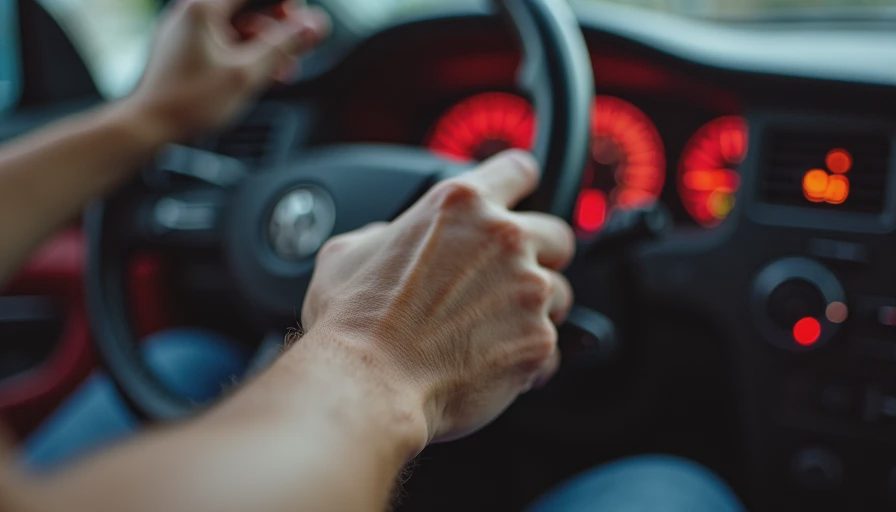
Electronic Stability Control (ESC) has been mandatory on all new cars since 2012 in the U.S. It's proven to reduce single-vehicle crash risk by about 49%. But ESC relies on wheel-speed sensors, a steering angle sensor, and a yaw-rate sensor. Any of those can fail. During your used car safety features check, find an empty parking lot and make a sharp turn at around 15 mph. The ESC should engage if it senses loss of traction — you'll hear a slight pulsing sound or feel the brakes pulse. If the ESC light flashes or you feel nothing, the system may be faulty.
ADAS features like forward collision warning (FCW) and automatic emergency braking (AEB) are becoming common. Check the windshield area near the rearview mirror for cameras. If it's dirty or obstructed, the system may not work. Many cars with AEB allow you to see the sensor status in the infotainment menu. A thorough used car safety features check includes reviewing that screen for error messages.
Outstanding Recalls: A Critical Step
This step is often skipped, but it's the most important part of any used car safety features check. Every vehicle sold in the U.S. has a unique 17-digit VIN. Go to NHTSA.gov/recalls and enter the VIN. The site will show open safety recalls. If the used car has an open recall, the manufacturer must fix it free of charge — but only if you ask. Sellers rarely volunteer this information. I've inspected used cars with three open recalls, including an airbag inflator that could explode. The owner had no idea.
File a complaint if you find that a dealer refused to perform a recall repair. NHTSA can follow up. But for your used car safety features check, just knowing the recall status lets you decide whether to buy or negotiate a repair before purchase.
What Owners Should Do
Here's what the data shows. Here's what owners should do: before you hand over any money for a used car, complete the used car safety features check outlined above. It takes about 30 minutes and could prevent a serious injury or worse. If you find a problem, ask the seller to fix it first, or use it as leverage on price. If the seller is unwilling to allow a full check, walk away. There are plenty of used cars that will pass a thorough inspection.
For maximum peace of mind, consider a pre-purchase inspection from a mechanic who specializes in the vehicle's brand. They can run a diagnostic scan and check the airbag control module for stored codes. That extra step is worth the $100-$200 fee.
Final Thoughts
A used car safety features check is not about being paranoid — it's about being informed. The previous owner may have been diligent, or they may have disabled everything to save money. You have no way of knowing without checking. Use the resources available: NHTSA recall look-up, the driver information center, and your own eyes and ears. I've driven thousands of cars in my career, and I still run a quick safety check before I buy any used vehicle. You should too.




No notes on this sheet yet.