Every few years, the National Highway Traffic Safety Administration (NHTSA) updates its safety requirements for new vehicles sold in the United States. The **nhtsa new vehicle safety standards 2026** represent one of the most significant updates in recent memory, incorporating lessons from years of crash data, emerging technology, and public advocacy. If you're planning to buy a new car in the next couple of years, understanding these changes matters—not just for your wallet, but for your safety. Here's what the data shows. Here's what owners should do.
What Are the NHTSA New Vehicle Safety Standards 2026?
The **nhtsa new vehicle safety standards 2026** are a set of federal regulations that will take effect starting with the 2026 model year. They build on existing Federal Motor Vehicle Safety Standards (FMVSS) but introduce new requirements aimed at reducing fatalities and serious injuries. Key areas include automatic emergency braking (AEB) performance standards, improved occupant protection for rear-seat passengers, and enhanced pedestrian safety measures. For example, NHTSA's final rule on AEB mandates that all light vehicles must be able to stop at higher speeds and avoid striking pedestrians in daylight conditions. These aren't tweaks—they're structural changes that will force automakers to redesign core systems. I've seen this kind of shift before, and it always has a ripple effect on pricing, availability, and long-term reliability.
Key Changes in the 2026 Standards
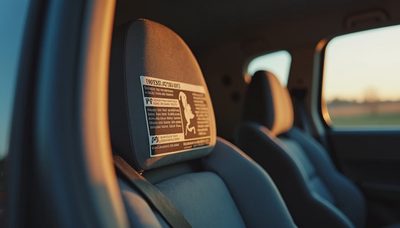
Let's break down three of the most impactful updates. First, the revised AEB requirements: vehicles must now detect and avoid collisions at speeds up to 62 mph, and must recognize pedestrians even in low-light conditions. Second, rear-seat occupant protection sees a major upgrade—new seat belt reminders, improved head restraint geometries, and structural modifications to reduce whiplash. Third, pedestrian protection standards now include active hood systems and grille designs that soften impact forces. These aren't just checkboxes; they'll require new sensor suites, stronger frames, and complex software validation. Automakers have been grumbling about the cost, but NHTSA's own analysis shows a net societal benefit of billions in reduced crash injuries. The **nhtsa new vehicle safety standards 2026** don't just protect the people inside the car—they protect everyone on the road.
How These Standards Affect New Car Buyers
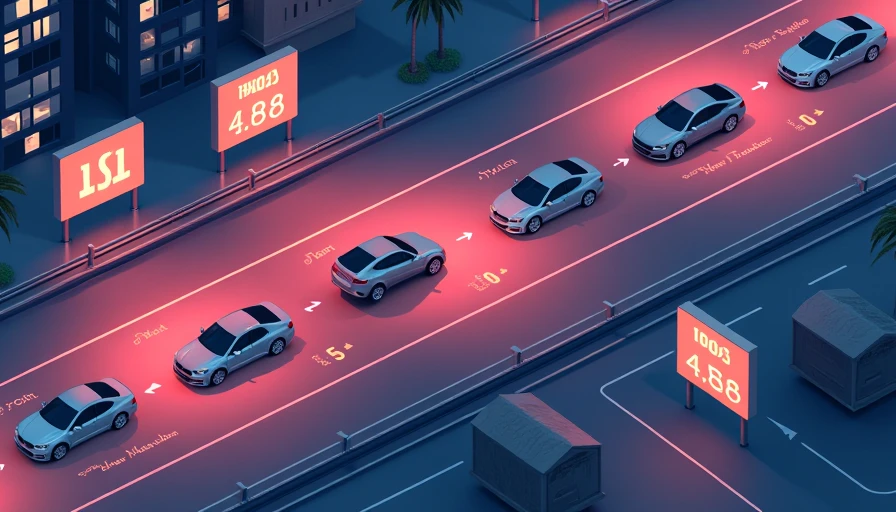
If you're shopping for a 2026 model, you'll notice two immediate changes: higher base prices and more standard safety equipment than ever. Analysts estimate the compliance cost per vehicle at $400–$800, though some premium brands will absorb more of that. On the upside, you won't need to pay extra for advanced safety packages—AEB, blind-spot monitoring, and rear cross-traffic alerts are already becoming standard, and the 2026 rules accelerate that. But here's the catch: early production runs often have teething problems. If you buy the first month of a new generation, you could inherit software glitches or calibration issues. My advice? Wait until the third quarter of the model year, when NHTSA complaint data starts rolling in. The **nhtsa new vehicle safety standards 2026** are a long-term win, but smart consumers know not to be first-year guinea pigs.
What Automakers Must Do to Comply
Compliance isn't just about adding sensors. The **nhtsa new vehicle safety standards 2026** require automakers to re-certify every vehicle line—a process that takes months and costs millions. I've seen the engineering teams inside the agency scramble when a major OEM files a non-compliance report. Expect more last-minute software patches and, yes, a few recall campaigns as the industry adjusts. Some manufacturers, like Tesla and Volvo, already exceed many of these requirements. Others, especially traditional pickup and SUV builders, have significant work ahead. The standard also introduces new test protocols for pedestrian impact, meaning manufacturers can't rely on legacy designs. If you follow NHTSA's early warning reporting, you'll see which brands are ready and which are scrambling. Here's what the data shows: transparency is key. Owners should check NHTSA's recall page regularly starting in late 2025.

Looking Ahead: Beyond 2026
These standards won't be the last word. NHTSA is already gathering input for 2027–2028 rules, including advanced driver monitoring systems and heavy-truck pedestrian protection. What we're seeing is a fundamental shift from protecting occupants to protecting all road users—a philosophy I fully support. The **nhtsa new vehicle safety standards 2026** set a foundation that future updates will build on. For now, here's my bottom line: if you're in the market, don't rush. Let the industry sort out the first few months of production, and use the new features as a negotiating tool. And if you ever feel overwhelmed by the technical jargon, remember what I tell my Tuesday coffee group: safety standards aren't red tape—they're the reason we walk away from crashes that would have killed us twenty years ago. Stay informed. Check the filings. And drive safe.