If you've lost or damaged your vehicle's original window sticker — officially called the Monroney label — you might wonder how to get a duplicate window sticker. Whether you're selling a used car, filing an insurance claim, or just want to restore your documentation, this guide walks you through the options. The process depends on the vehicle's age, manufacturer, and whether you have the VIN handy.
What Is a Window Sticker (Monroney Label)?
A window sticker is the federally required label on all new vehicles sold in the United States. It lists the base price, optional equipment, fuel economy, safety ratings, and the final destination charge. The National Highway Traffic Safety Administration (NHTSA) oversees the labeling requirement under the Automobile Information Disclosure Act. For consumers, it's proof of a vehicle's original build and price. For collectors and insurers, it's a key document for valuation. If you need to know how to get a duplicate window sticker, understand that not all manufacturers make replacements readily available for older models.
Step-by-Step: How to Get a Duplicate Window Sticker
Here's the direct process, based on my experience investigating vehicle documentation issues. Start with the dealership where the car was originally purchased, or any dealership of that brand. For newer cars (within the last 10-15 years), the manufacturer's customer service department can often provide a reproduction sticker for a fee. Expect to pay between $20 and $75, plus shipping. You'll need the Vehicle Identification Number (VIN), proof of ownership (title or registration), and sometimes a copy of your driver's license.
For older vehicles — say pre-2000 — things get trickier. Many manufacturers don't keep records that far back. In that case, your best bet is to contact the manufacturer's archives or historical department. Some automakers, like Ford and Chevrolet, offer build sheets or reproduction window stickers through specialty services. If that fails, third-party companies like "Window Sticker Reproductions" or "Repro Stickers" can create a replica from build data, but be cautious: these aren't original Monroney labels and may not be accepted by all insurers or collectors.

Why You Should Get a Duplicate Window Sticker
Having the original window sticker — or an official duplicate — adds value when selling a used car. Potential buyers can verify the factory options and original MSRP. In an insurance total-loss claim, the sticker can help support a higher payout by proving you had the premium trim or optional packages. I've seen cases where a $2,000 option package was overlooked in a settlement because the owner couldn't produce the original window sticker. Knowing how to get a duplicate window sticker can protect you financially.
For classic car restorations, the window sticker is an essential part of the documentation package. At auctions, a car with its original window sticker can command 10-20% more than one without. That's not speculation — it's market data from major auctions like Mecum and Barrett-Jackson. If you own a rare or sought-after model, this step is worth the effort.
What to Do If the Manufacturer Can't Provide One
Not every manufacturer will produce a duplicate window sticker. For discontinued brands or very old cars, you may need to compile alternative documentation. Start with the original window sticker's information: gather the vehicle's build sheet (available from some manufacturers for a fee), the original sales contract, or any photographs of the car when new. NHTSA's website has a window sticker sample that shows the layout. While this isn't an official duplicate, it helps you reconstruct the key details.
Another option is to contact the manufacturer's archives department. For example, General Motors retains records for many models back to the 1970s through their Heritage Center. Ford offers a similar service through their Customer Relationship Center. Expect to wait 4-8 weeks, and pay a research fee. If you're stuck, online forums dedicated to your vehicle's make and model can direct you to specialized services. Some of these services have access to dealer databases that the public cannot access.
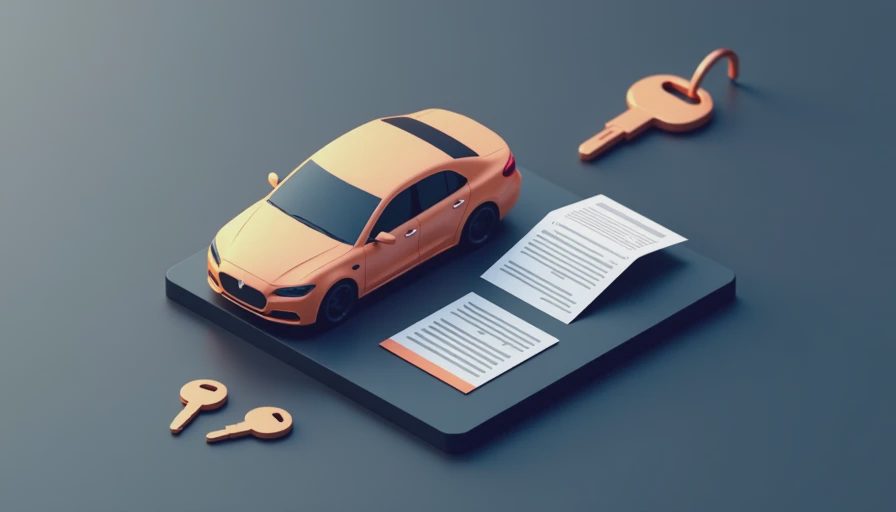
One Important Caveat
An official duplicate window sticker from the manufacturer is the gold standard. Third-party reproductions are placeholders, not replacements. When I worked at NHTSA, I saw cases where fake stickers were used to inflate a car's value — that's fraud. Always verify the legitimacy of the sticker you receive. If the price seems too good to be true, it probably is. A genuine duplicate from the manufacturer will cost at least $20 and come with a letter of authenticity for vehicles older than 10 years.
How Long Does It Take?
For a newer vehicle (under 10 years old), expect 1-3 weeks from order to arrival. For older models, 4-8 weeks is typical. Some manufacturers offer expedited shipping for an extra fee. If you need the sticker urgently for a pending sale or insurance claim, ask the manufacturer's customer service if they can email a PDF version. While not a physical sticker, a digital copy can serve as temporary proof until the original arrives.
Knowing how to get a duplicate window sticker isn't just about paperwork — it's about protecting the value and history of your vehicle. Start with the VIN, choose the right manufacturer contact, and be patient. Here's what the data shows. Here's what owners should do: check your manufacturer's website for their window sticker replacement program, gather your documents, and order today.

No notes on this sheet yet.