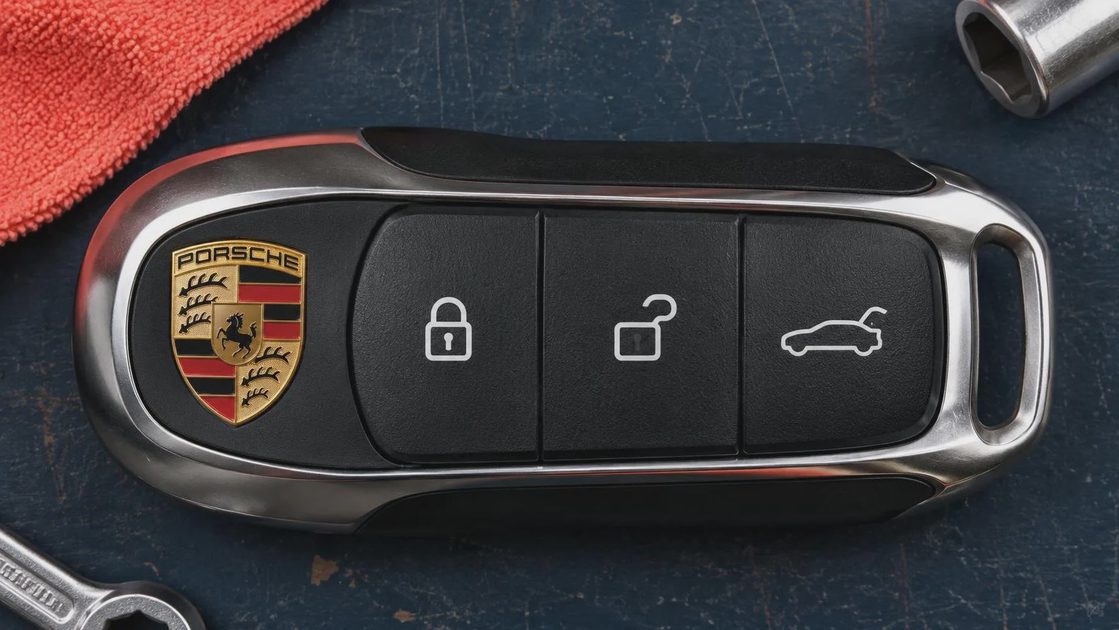
A Porsche badge does not tell you whether a particular car has an open safety recall. That answer depends on the vehicle identification number, or VIN, and the status of any repairs. Whether you drive a 911, a Cayenne, or an electric Taycan, start with a VIN search at NHTSA.gov/recalls. An unresolved defect can matter to the driver, passengers, and other road users; the notice for your vehicle should explain the specific risk and what to do next.
Here's what the data shows. Here's what owners should do: check the individual vehicle, read the underlying recall documents, and confirm that the remedy has actually been completed. A model name or an advertisement claiming a clean history is not enough.
Start with the VIN, not a headline
A recall headline may name a model and a range of model years, but that does not mean every vehicle in that range is affected. Production dates, equipment, and the source of a component can determine which vehicles are included. The searchable VIN is the practical starting point for a specific car.
Find the 17-character VIN at the base of the windshield on the driver's side, on the driver's door jamb, or on registration paperwork. Enter it into the NHTSA recall search and read any open entries. Porsche can also check its records through an authorized dealer; have the VIN ready before you call.
A result showing no open recalls is useful, but it is not a guarantee that the car has no safety problems. A defect may not have been recalled, a recently announced campaign may not yet appear in every lookup, and the database does not substitute for an inspection. Conversely, a recall that appears in a news search may already have been repaired on the vehicle you're considering.
If the lookup and the seller's paperwork disagree, ask the dealer to check the VIN and explain the discrepancy. Keep copies of the result and any repair invoice rather than relying on a verbal assurance.
Read the filing for the actual risk
When a recall appears, open the NHTSA documents associated with it. The safety recall report typically describes the affected population, the defect or noncompliance, the potential safety consequence, and the proposed remedy. Look for the NHTSA campaign number so you can refer to the same action when speaking with a dealer.
Pay close attention to the description of the consequence. A warning light, an unexpected loss of propulsion, and a fire risk call for different responses. Do not infer that every recalled vehicle will experience the failure, but do not dismiss the possibility because the car feels normal today.
The filing may also distinguish an interim measure from a final repair. Porsche might instruct owners to take a precaution while parts or a permanent remedy are being prepared. Follow the instructions for your VIN, and ask the dealer to explain any restriction you do not understand. If a notice says not to drive or park in a particular place, treat that instruction seriously.
A technical service bulletin is different from a safety recall. A bulletin generally communicates service information to technicians; its existence alone does not establish a safety defect or promise a free repair. Ask for the document number, the diagnosis, and the expected cost before authorizing work.
What owners should do
First, search the VIN at NHTSA.gov/recalls and save the results. Read the owner letter and the recall report if a campaign is listed. Note the campaign number, the stated hazard, and any instructions that apply before a repair.
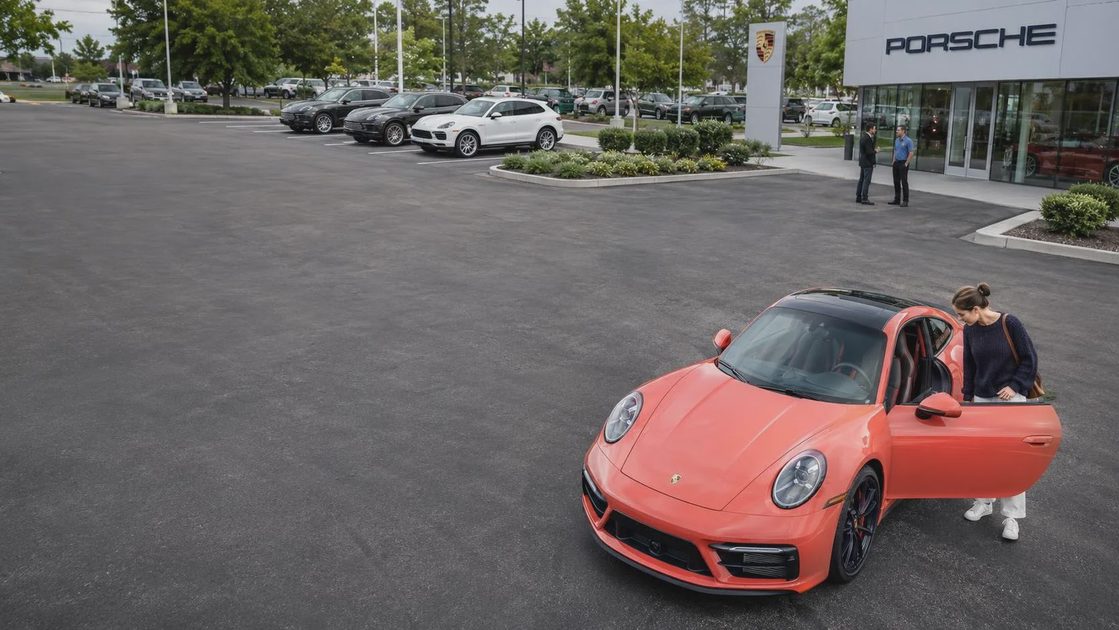
Second, contact an authorized Porsche dealer. Ask whether the remedy is available, what the appointment involves, and whether the vehicle is safe to drive to the shop under the recall instructions. Safety recall repairs are generally performed without charge, though special rules and exceptions can apply; ask the dealer to clarify any proposed charge before work begins.
Third, retain the completed repair order. It should identify the vehicle and describe the work performed. Check the VIN lookup again after the repair information has had time to update. If the campaign still appears open, contact the dealer and ask it to verify that completion was reported correctly.
If you have trouble getting a remedy, document the date, the dealership, and what you were told. You can contact Porsche customer service and file a complaint with NHTSA. Include the VIN, campaign number, symptoms if any, and a concise timeline. Do not include sensitive personal details in a public complaint narrative.
Buying a used Porsche: look beyond recall status
Before handing over a deposit, run the VIN yourself. Ask the seller for service records, recall repair orders, and permission for an independent pre-purchase inspection by a qualified technician familiar with the model. The inspection should address the vehicle's condition, not just whether a dashboard warning is illuminated.
Compare the VIN on the car with the title and sale documents. Review the title for branding and ask about collision, flood, or major repair history. A vehicle history report can be helpful, but missing entries do not prove that damage never occurred. An inspector may spot evidence that paperwork does not capture.
For an electric Porsche, ask about the condition of the charging equipment and any relevant battery or high-voltage service documentation. Do not open or probe high-voltage components yourself. For any model, ask whether outstanding software-related campaigns require a dealer visit; a software remedy can be a safety repair, not merely a convenience update.
Get the seller's promises in writing, including who will arrange an open recall repair and when. Rules governing sales with unrepaired recalls vary by seller and jurisdiction, so do not assume every used vehicle on a lot has been fixed.
Report a problem even if there is no recall
If a Porsche develops a concerning fault, record when it occurred, the conditions, any warning messages, and whether the issue returned after service. Save photos where safe, along with invoices and diagnostic notes. For an immediate danger, stop in a safe location and seek appropriate assistance rather than trying to reproduce the problem in traffic.
An owner complaint is not proof of a widespread defect, and an investigation is not the same thing as a recall. Still, detailed reports can help establish a useful record. Submit a safety complaint to NHTSA and give the dealer a clear description without guessing at the cause. Those details are more valuable than a conclusion unsupported by the evidence.



No notes on this sheet yet.