If you're wondering **how to check if my car has a recall**, start with one fact: recalls are tied to safety defects, emissions issues, or noncompliance problems that the manufacturer is required to correct. I spent years reviewing defect reports and recall filings, and the pattern was always the same: owners who checked early had more options and less risk. Here's what the data shows. Here's what owners should do. The quickest path is to use your vehicle identification number, confirm any open recalls through the National Highway Traffic Safety Administration, and then contact the brand dealer for repair scheduling.
Start With Your VIN, Not Guesswork
The best answer to **how to check if my car has a recall** is your 17-character VIN. That number is the key used in federal recall databases and manufacturer service systems. You can usually find it at the lower corner of the windshield on the driver's side, on the driver's door jamb label, on your registration card, or on your insurance ID card.
Why does the VIN matter? Because recalls often apply only to certain production dates, plants, engine combinations, or VIN ranges. Two vehicles that look identical on a dealer lot may not both be included. Reading the NHTSA filing carefully, what stands out is how specific recall populations can be.
Before you search, copy the VIN carefully. One wrong character can send you to the wrong result. VINs do not use the letters I, O, or Q, which helps avoid confusion with 1 and 0. If your vehicle is older or the label is faded, compare the windshield VIN to the paperwork and make sure they match.
Check the Official NHTSA Recall Database First
Once you have the VIN, the most reliable public source is the NHTSA recall lookup tool at nhtsa.gov/recalls. Enter the VIN exactly as shown. The database will tell you whether there are any **open recalls** that have not yet been completed on that specific vehicle. That is the answer most drivers actually need.
This matters because a general web search can bring up news stories about recalls affecting your make or model without confirming your exact car is included. The NHTSA lookup is tied to the vehicle record, not just headlines.
If a recall appears, note the NHTSA recall number and the manufacturer recall number. Filing number, exact range, three concrete steps: save the recall page, call a franchised dealer for that brand, and ask whether parts are available now. Some repairs are available immediately; others begin in phases if parts are limited.
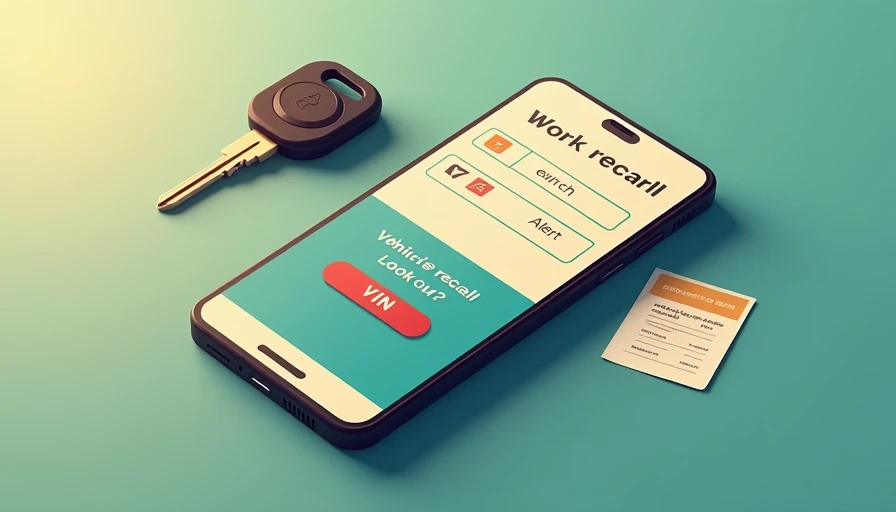
NHTSA's VIN lookup generally shows unrepaired recalls completed in the last 15 calendar years. If your vehicle is older, or if you suspect a historic campaign, contact the manufacturer directly as a second check.
Use the Automaker and Dealer Records as a Second Layer
A lot of owners stop after the federal search, but a second layer matters. If you want a full answer to **how to check if my car has a recall**, go next to the automaker's official recall page or call the service department of a franchised dealer. Brands such as Ford, Toyota, Honda, Chevrolet, BMW, and Hyundai all maintain owner recall portals.
Dealer systems can often confirm more practical details than the public site, including whether the repair remedy is launched, whether parts are backordered, and how long the appointment should take. In many cases, the recall repair is free, and some campaigns also include interim owner letters before a final fix is ready.
Ask direct questions: Is there an open safety recall on this VIN? Is the remedy available today? How many hours will the repair take? Can I drive the car safely until the appointment? If the recall involves fire risk, air bags, steering, brakes, or a stall condition, take that last question seriously. Those are not defects to delay.
What to Do if You Bought a Used Car or Never Got a Notice
One reason people ask **how to check if my car has a recall** is simple: they bought used, moved recently, or never received a recall letter. That happens all the time. Recall notices are mailed to the last registered owner on file, so second or third owners can be missed.
If you purchased from a private seller, independent lot, or auction, run the VIN yourself even if the seller said the vehicle was "fine." I also recommend checking before you buy, not just after. An open recall is not always a deal breaker, but it should affect your timing and your questions.
If the vehicle has an unrepaired recall, schedule service right away and keep records. Save screenshots, appointment confirmations, and repair orders. If the dealer says the fix is unavailable, ask to be notified when parts arrive. In some serious cases, manufacturers have offered loaner vehicles or other support, but that depends on the campaign and risk level.
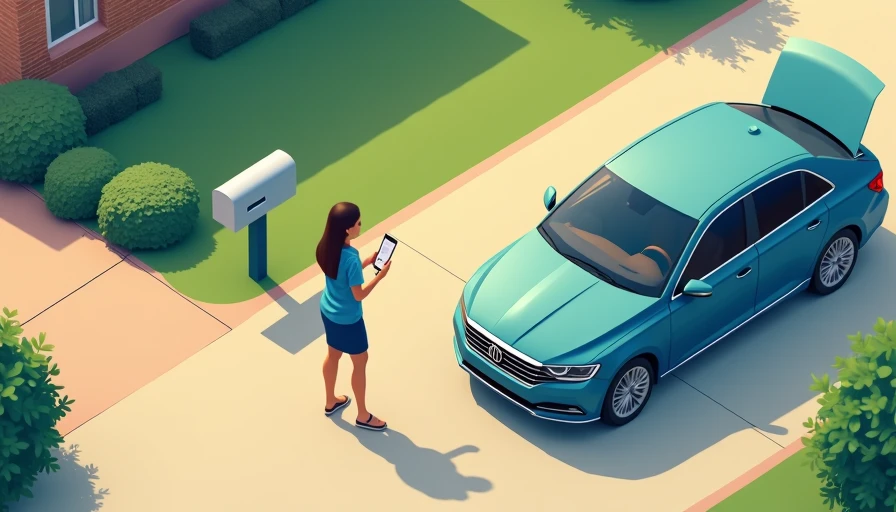
You should also update your mailing address in the owner's account with the automaker so future safety notices reach you.
What Owners Should Do When a Recall Shows Up
If your search returns an open recall, don't panic, but don't treat it like routine maintenance either. A recall is different from a technical service bulletin. A TSB gives dealers repair guidance for known issues; a recall is a formal safety or compliance action with a required remedy.
Here's what owners should do. First, confirm the recall number and read the defect summary. Second, ask the dealer whether the vehicle should be driven before repair. Third, book the earliest available appointment and get the remedy in writing on the final repair order.
If the dealer cannot complete the work after repeated attempts, or if you believe the recall handling is inadequate, file a complaint with NHTSA. That complaint record matters. It helps investigators identify patterns in failed remedies, delayed parts availability, or defects causing incidents before repairs are completed.
A recall repair typically costs the owner nothing. While you're scheduling service, it's also smart to review your auto insurance and roadside assistance options, especially if the defect could leave you stranded. That's not a substitute for repair, but it is a practical backstop.
The Bottom Line: Verify, Document, Repair
The plain answer to **how to check if my car has a recall** is this: get your VIN, run it through the NHTSA recall database, verify the result with the automaker or brand dealer, and act on any open campaign immediately. Skip rumor, skip forums, skip vague model-year headlines unless they lead you back to the VIN.
If you own one of these vehicles, this week's task is simple even if no warning light is on. Run the VIN today, save the results, and book the repair if needed. Five minutes of checking can prevent a much bigger problem later.
Here's what the data shows. Here's what owners should do: verify the VIN, confirm any open recall, and get the fix done.